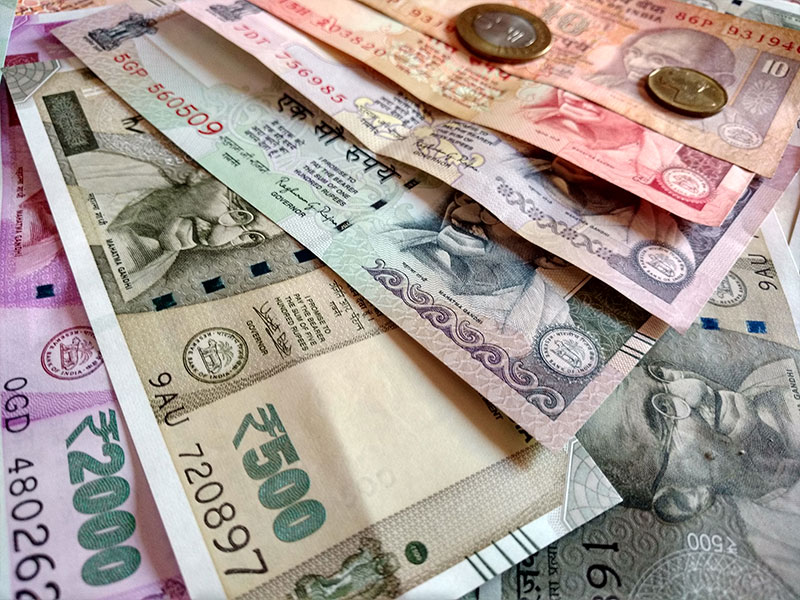
The Liberalised Remittance Scheme (LRS), introduced by the Reserve Bank of India (RBI), enables resident individuals to remit up to USD 250,000 per financial year for specified permissible transactions. This includes both current and capital account transactions, provided the remittances comply with the terms and conditions stipulated by the regulatory authorities.
Key Aspects of LRS Applicable to Current Account Transactions
1. Remittance Limit
- The overall remittance ceiling under LRS is USD 250,000 per individual per financial year (April–March).
- This limit applies individually and not on a family basis.
2. Permissible Transactions
LRS can be utilized for various current and capital account transactions, including:
- Private visits abroad (excluding Nepal and Bhutan)
- Gifts and donations
- Emigration expenses
- Overseas employment
- Business travel
- Maintenance of close relatives abroad
- Medical treatment
- Overseas education
3. Documentation Requirements
- For remittances up to USD 100,000, self-declaration by the individual along with Form A2 is generally sufficient.
- For remittances exceeding this amount, supporting documentation (e.g., medical estimates, admission letters, invoices) may be required by Authorised Dealer (AD) banks.
4. Prohibited Transactions
Under LRS, the following transactions are explicitly prohibited:
- Remittance of lottery winnings
- Remittances related to betting, gambling, or prohibited magazines
- Transactions involving countries or entities identified as high-risk by the Financial Action Task Force (FATF)
5. Frequency of Remittances
There is no restriction on the number of transactions as long as the total remitted amount during the financial year remains within the prescribed limit.
Tax Collected at Source (TCS) on LRS Transactions
In line with recent amendments applicable from 2025, TCS provisions have been updated under the Income Tax Act for foreign remittances under LRS.
1. TCS Threshold
- TCS is applicable only when aggregate remittances exceed ₹10 lakh in a financial year.
- For remittances up to ₹10 lakh, no TCS is levied.
2. Applicable TCS Rates (Post-₹10 lakh threshold)
| Purpose of Remittance | TCS Rate | Remarks |
| Education (financed by loan) | 0% | No TCS applicable when funded by a loan from a financial institution |
| Education or Medical (not financed by loan) | 5% | TCS levied on amounts exceeding ₹10 lakh |
| Other Purposes (e.g., investment, tourism) | 20% | TCS applicable beyond the ₹10 lakh threshold for general purposes |
3. TCS Deduction and Reporting
- TCS is deducted at the time of remittance by the Authorised Dealer bank.
- The amount deducted is reflected in Form 26AS and can be claimed as a tax credit or refund during the filing of the individual’s Income Tax Return.
Conclusion
The LRS offers resident individuals significant flexibility for undertaking foreign remittances related to travel, education, medical care, and other permissible transactions. However, such remittances are subject to regulatory scrutiny and tax compliance requirements, particularly in light of the TCS provisions introduced by the Government of India. Individuals must ensure that all documentation is in order and that remittances are conducted through Authorised Dealers in accordance with the FEMA guidelines and Income Tax rules.
Disclaimer
The information provided herein is intended solely for educational and informational purposes. It should not be construed as financial, legal, or investment advice. While efforts have been made to ensure accuracy, the content may be subject to change due to legislative amendments or judicial interpretations. Readers are advised to consult with qualified professionals for advice specific to their financial or legal circumstances.
Related Posts: