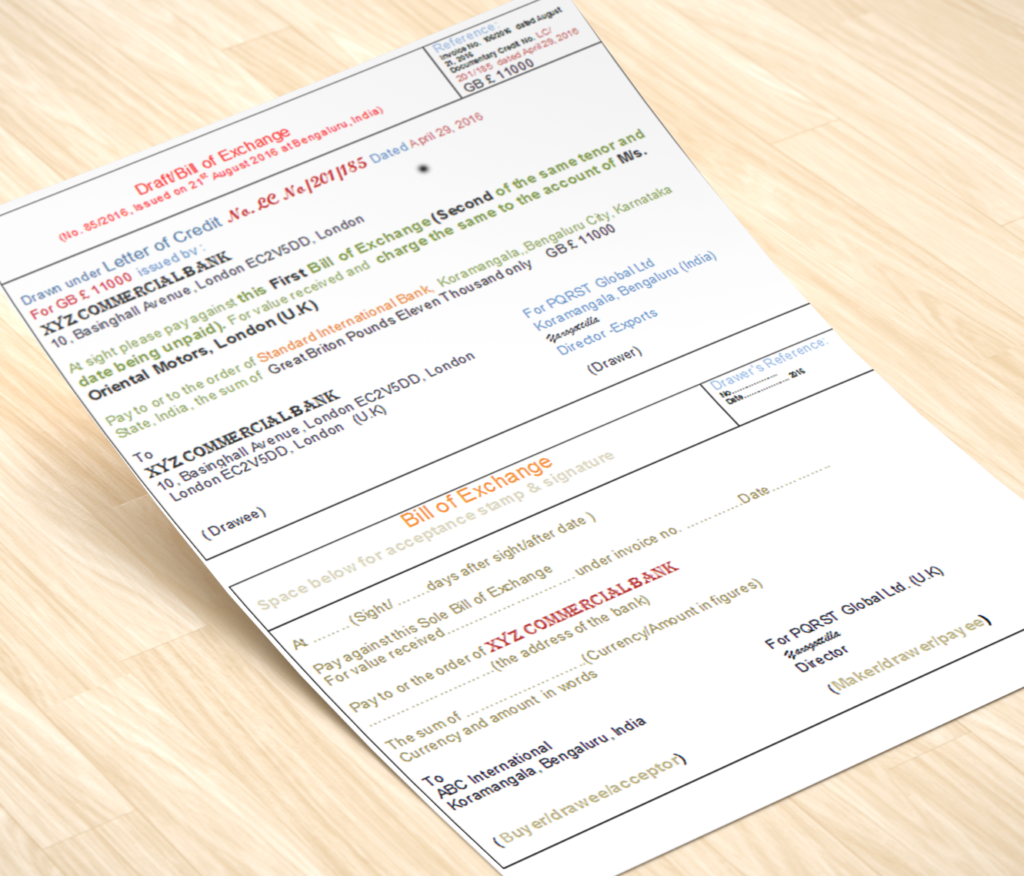
The Reserve Bank of India (RBI) has issued comprehensive guidelines to ensure that banks exercise due diligence and maintain transparency and discipline in the issuance of Letters of Credit (LCs). These safeguards are intended to mitigate operational, financial, and reputational risks while preserving the integrity of the LC as a trusted trade finance instrument.
Procedural Safeguards for Opening Letters of Credit
Before issuing a Letter of Credit, banks must ensure adherence to the following precautionary measures:
- Issuance in Secure Formats
LCs must be issued strictly on secured, serialized forms to prevent unauthorized use or tampering. - Authorization for Large Value LCs
High-value LCs must be authorized by two signatories, one of whom should represent the Head Office or a Controlling Office. Given the availability of fast courier and postal services, this requirement should not delay issuance. LCs should include a designated field indicating the sanctioning authority and relevant approval details. - Assessment of Genuine Requirements
LCs should not be opened for amounts disproportionate to the borrower’s actual trade requirements. Before issuance, banks must verify that the borrower has made sufficient arrangements to retire the bills—either from their own resources or through pre-approved credit limits. - Inventory Control for Raw Material Purchases
When LCs are opened for raw material procurement, banks should ensure that borrowers do not maintain excessive inventory beyond industry norms or past trends. If such LCs are opened on a Documents Against Acceptance (D/A) basis, the associated credit should be factored into the calculation of drawing power under the borrower’s cash credit account. - Consortium Banking Compliance
For borrowers under consortium banking arrangements, LCs must be opened strictly within the sanctioned credit limits, based on each bank’s agreed share. Member banks should not open LCs beyond these limits without prior knowledge and consent of the lead bank or other consortium members. - Transparency in Non-Consortium Cases
In the absence of a formal consortium, no bank—whether existing or new—should issue an LC without informing the other banks financing the borrower. - LCs for Capital Goods
LCs related to capital asset purchases must be issued only after ensuring that long-term funding arrangements are in place (such as term loans or capital infusion). This ensures that repayment liabilities are properly supported by long-term funds. - Prohibition on Use of Working Capital for Capital Assets
Under no circumstances should working capital limits be used to retire bills for the acquisition of capital goods. - Restrictions on Non-Regular Clients
Banks should avoid extending non-fund based or ad hoc credit facilities—including LC issuance or bill discounting—for parties who are not regular constituents of the bank. If unavoidable, such facilities should be extended only after:- Obtaining prior consent from the borrower’s existing bank,
- Conducting due diligence regarding the borrower’s background, financial condition, and repayment capacity.
Settlement of LC Payments: Ensuring Prompt and Honest Execution
1. Unauthorized LC Issuance
Instances have come to light where LCs were issued by bank officials without proper authority or were not recorded in the branch’s books. In certain cases, LCs were issued for amounts exceeding the powers vested in the issuing officials. When such fraudulent practices come to notice, some banks have disclaimed liability, citing collusion between the beneficiary and the constituent.
2. Importance of Timely Payment
Failure to honor bills drawn under valid LCs damages the credibility of LCs as an accepted payment mechanism and undermines the trustworthiness of the issuing bank. Such failures may also tarnish the overall image of the banking sector.
It is imperative that banks honor all valid LC commitments promptly and take immediate corrective action, including disciplinary or legal proceedings against:
- Bank officials who act beyond their authority,
- Constituents on whose behalf fraudulent LCs were opened,
- Beneficiaries found to be involved in criminal collusion or conspiracy.
Conclusion
The issuance of Letters of Credit entails significant fiduciary responsibility on the part of banks. Adhering to RBI’s prescribed safeguards ensures that LCs serve their intended purpose as reliable instruments of trade finance while minimizing the risk of fraud and reputational damage. Prompt payment under compliant LCs further reinforces trust in the banking system and strengthens the credibility of Indian banks in global trade.
Related Posts: