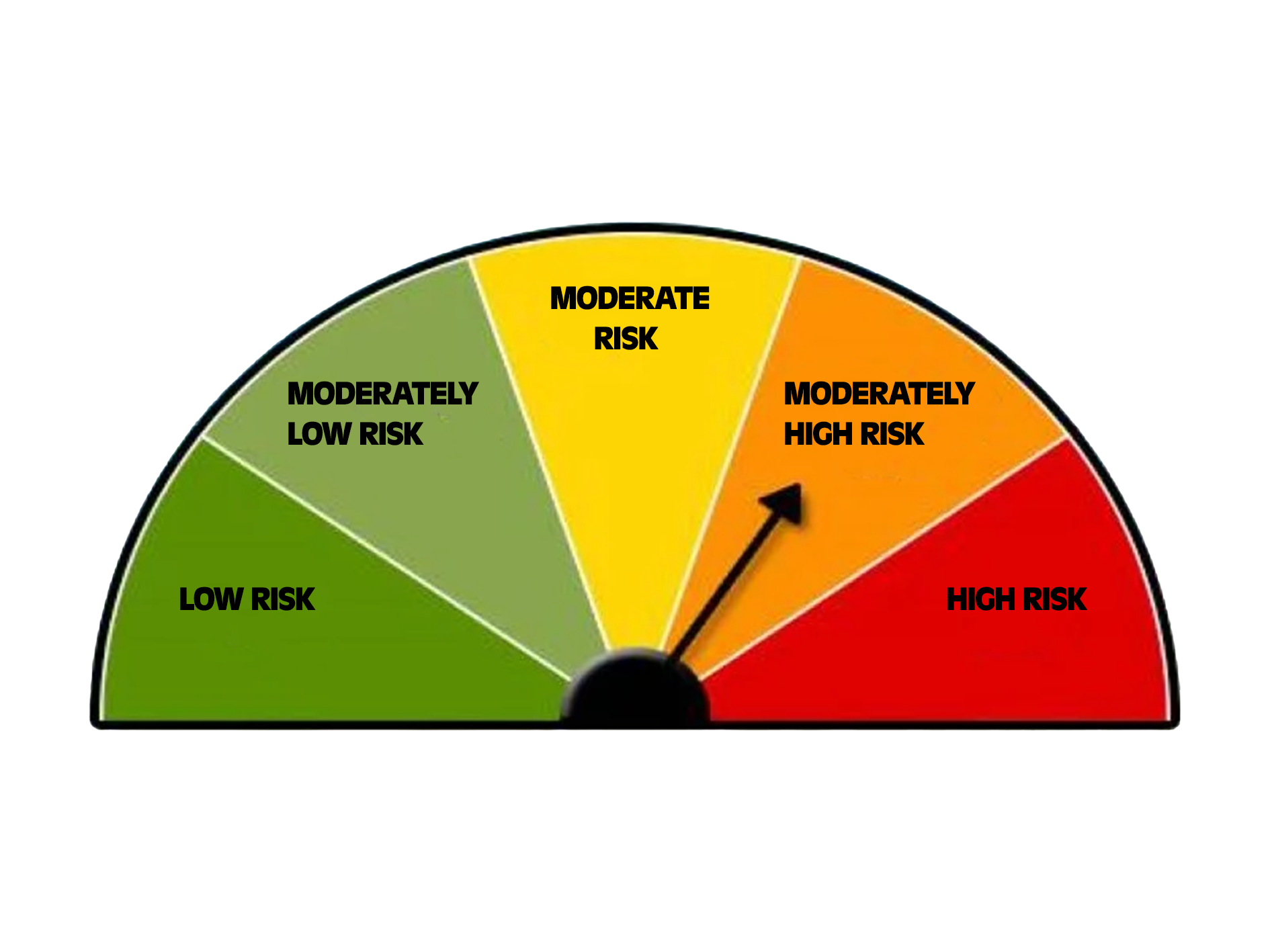
The implementation of financial technology (FinTech) solutions offers transformative potential for the global financial services sector, particularly in the domain of retail banking and trade finance. However, despite rapid adoption and innovation, several economic, regulatory, technical, and security-related challenges continue to impede the effective integration and scaling of FinTech across industries and jurisdictions.
1. Economic and Financial Constraints
Economic factors such as macroeconomic conditions, the overall health of the banking sector, and accessibility to finance significantly influence the operating environment for FinTech firms. These elements affect their capacity to raise capital, expand operations, and align with existing financial systems.
2. Regulatory and Legal Complexities
Fintech companies face a complex web of regulatory and legal challenges, primarily due to the industry’s rapid innovation and the need to balance innovation with consumer protection and financial stability. Key issues include compliance with KYC/AML regulations, data protection, cybersecurity, and navigating diverse regional and international regulations. One of the most significant challenges in the FinTech sector lies in navigating complex and often fragmented regulatory landscapes. Compliance requirements differ markedly across jurisdictions, making cross-border operations particularly cumbersome. Regulatory frameworks are also in a state of constant evolution, requiring FinTech entities to adapt swiftly to new laws, technological developments, and emerging risks.
3. Integration with Legacy Systems
Integrating new technologies with legacy systems in Financial Technology (FinTech) presents several significant challenges. These include compatibility issues, security vulnerabilities, data inconsistencies, high costs, and potential disruptions to business operations. Addressing these challenges requires careful planning, strategic execution, and often, the development of custom solutions to bridge the gap between old and new technologies. Many financial institutions still rely on outdated legacy infrastructure, creating major roadblocks to the seamless integration of modern FinTech solutions. Upgrading or integrating with these systems requires considerable technical expertise and financial investment, often slowing down digital transformation efforts.
4. Scalability and Technical Limitations
The Scalability in FinTech refers to an organisation’s ability to grow and manage increased demand without compromising performance or quality, leveraging technology to serve a larger customer base efficiently. There are many challenges related to scaling and integrating cloud services in fintech operations, such as data security, disaster recovery, and technical expertise concerns. FinTech platforms must be capable of handling high transaction volumes with speed and reliability. However, scalability remains a key concern, especially for start-ups and early-stage ventures that may lack the technological foundation to support rapid growth.
5. Adoption Barriers Among Stakeholders
Resistance to change is a persistent barrier in the implementation of FinTech solutions. Stakeholders—ranging from institutional decision-makers to end users—may be hesitant to adopt unfamiliar technologies, particularly in the absence of adequate awareness, training, or demonstrable benefits.
6. Cybersecurity and Data Privacy Challenges
FinTech platforms are prime targets for cyberattacks due to the sensitive nature of financial and personal data they manage. The transition to digital services has increased exposure to cyber threats, necessitating robust security protocols and continuous system upgrades. Cybersecurity and data privacy are facing increasing challenges due to evolving threats and a growing reliance on technology. Key concerns include the rise of sophisticated cyberattacks, the expansion of data volumes and devices, and the ever-changing regulatory landscape. Addressing these challenges requires a multi-faceted approach, including robust security measures, employee training, and a strong commitment to data protection.
a. Malware Threats
As integration across platforms increases, so does the risk of malware contamination. Malicious software can propagate between systems, exploiting vulnerabilities in interconnected networks. Addressing these threats requires rethinking conventional security architectures and deploying advanced defense mechanisms.Malware attacks are indeed on the rise, with significant increases reported in various attack types like ransomware and phishing, according to recent reports. In Q1 2025, the average number of attacks per organization per week increased to 1,925, a 47% rise from the same period in 2024.
b. Data Breaches
According to the Identity Theft Resource Center’s 2021 Data Breach Report, in 2021 alone, there were 1,862 recorded data breaches, with the average cost of a breach reaching $4.24 million. Given the heavy reliance on Big Data in FinTech, risks such as data theft, fraud, and misuse of personal information have become critical concerns. Data breaches are indeed increasing, with cybercriminals leveraging various attack vectors, including stolen credentials, phishing, and vulnerabilities in software and cloud configurations. The rise in data breaches is fueled by the increasing reliance on digital technologies and the exponential growth of data, making organizations more vulnerable to attacks.
c. Sensitive Data Management
The widespread adoption of mobile and online banking enables the collection of large volumes of customer data, including personally identifiable, financial, and health-related information. Ensuring the secure storage, processing, and sharing of this data with authorized entities remains a formidable challenge.
7. Shortage of Technical Expertise
Many banks and financial institutions face a shortage of skilled professionals capable of developing, maintaining, and scaling FinTech applications. Moreover, some organizations continue to rely on outdated systems that offer suboptimal user experiences, further hindering customer engagement and digital adoption.
Conclusion
While FinTech holds the promise of revolutionizing retail banking and trade finance, enhancing financial inclusion, its successful implementation demands a coordinated effort to address regulatory hurdles, legacy system limitations, cybersecurity threats, and talent shortages. Stakeholders across the financial ecosystem must collaborate to overcome these challenges and enable a resilient, secure, and inclusive digital future.
Related Posts: