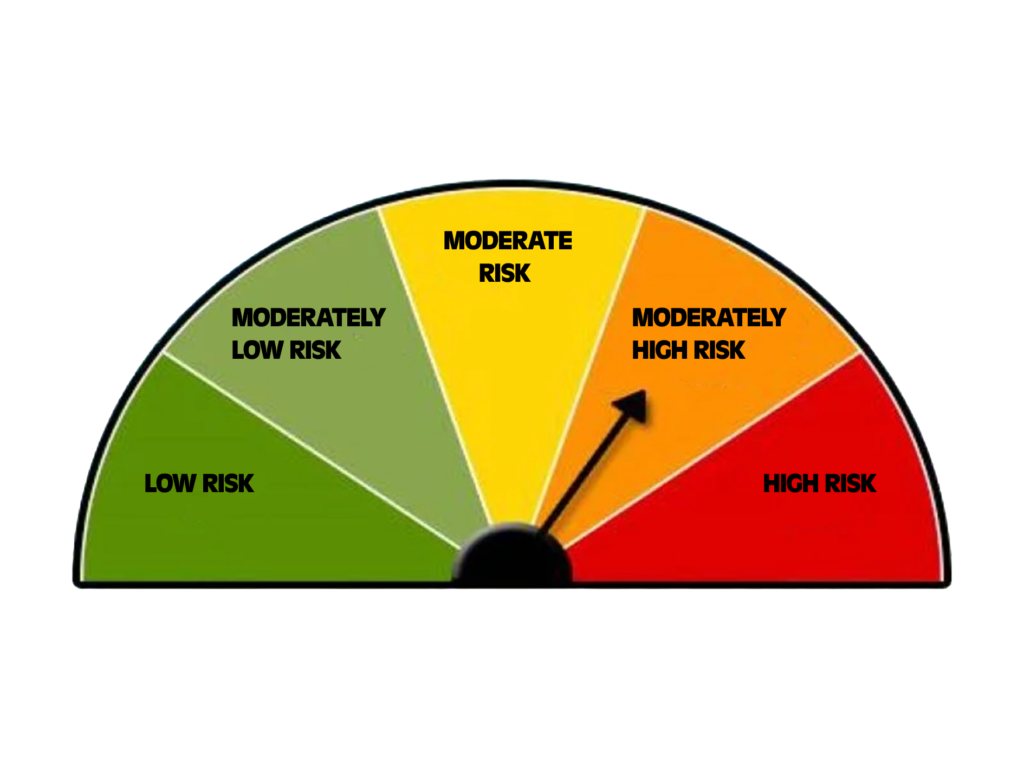
Credit scoring is a method used by lenders to evaluate a person’s creditworthiness—that is, how likely they are to repay borrowed money. This evaluation is usually expressed as a three-digit number, commonly known as a credit score. It is based on an individual’s credit history and financial behavior.
Credit Score vs. Credit Rating
There’s often confusion between credit scores and credit ratings, but they serve different purposes:
- Credit Scores are given to individuals by Credit Information Companies (CICs) or credit bureaus. They help banks and lenders assess the likelihood of a borrower repaying personal loans, credit cards, etc.
- Credit Ratings, on the other hand, are assigned by Credit Rating Agencies (CRAs). These ratings are typically for companies, governments, or financial instruments and help investors assess the risk of investing in them.
Since credit bureaus and rating agencies follow different methodologies, a person’s credit score may vary slightly across different agencies, even though they use similar financial data.
Role of Credit Information Companies (CICs)
Under Section 17 of the Credit Information Companies (Regulation) Act (CICRA), CICs collect credit data only from their member banks and financial institutions. They compile this data into a Credit Information Report (CIR) that helps lenders make informed decisions.
However, a major concern has been the incompleteness of credit reports, as they do not include data from non-member financial institutions. To address this, the Reserve Bank of India (RBI) mandated that all banks and financial institutions become members of all CICs, ensuring more accurate and comprehensive credit reporting.
Following RBI’s directive dated January 15, 2015, even co-operative banks are required to become members of all CICs and share both current and historical credit data.
The 4 Credit Information Companies in India
As of now, India has four RBI-registered CICs:
- CIBIL (Credit Information Bureau (India) Ltd.)
- Equifax Credit Information Services Pvt. Ltd.
- Experian Credit Information Company of India Pvt. Ltd.
- CRIF High Mark Credit Information Services Pvt. Ltd.
These agencies provide credit scores ranging from 300 to 900, with higher scores indicating better creditworthiness.
What is a Good Credit Score?
Lenders generally consider a score above 750 to be good. Here’s a general breakdown of credit score categories:
- 851–900 (Excellent): Very low risk; no missed payments.
- 751–850 (Good): Strong history of timely repayments.
- 651–750 (Average): Fair credit behavior; may require improvement.
- 501–650 (Poor): Missed payments or high debt levels; higher lending risk.
- 300–500 (Very Poor): Poor credit behavior; difficulty obtaining credit.
People with lower credit scores may still get loans but might face higher interest rates or stricter loan terms. Improving one’s score—through regular repayments, reducing credit utilization, and monitoring reports—is key to better financial access.
Related Posts: