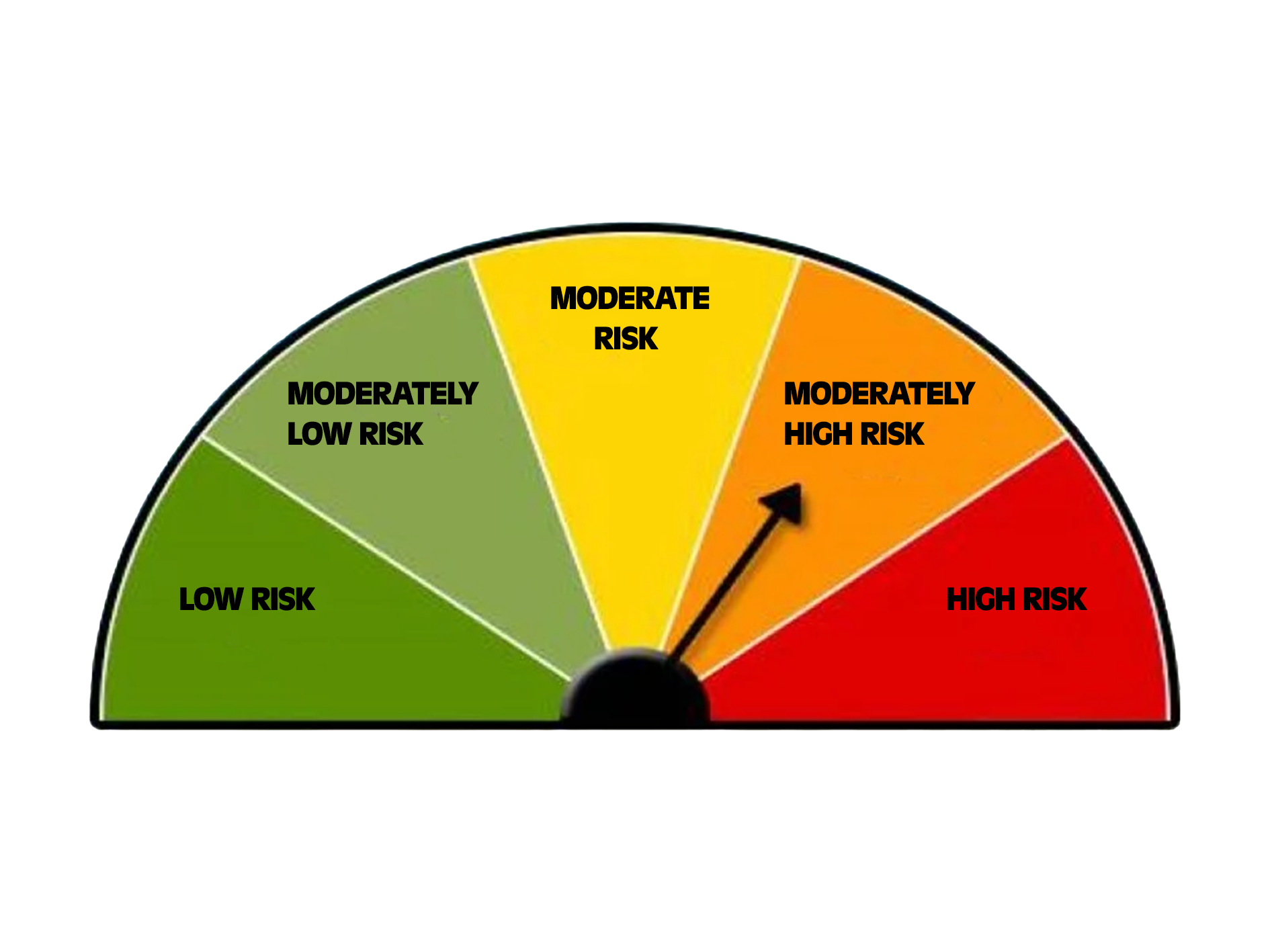
Credit Risk Management (CRM) is the backbone of sound banking practices. It ensures that banks strike a balance between growth-oriented lending and prudent risk control. An effective framework combines strategy, financial goals, loan policies, due diligence, underwriting standards, and organizational discipline to safeguard both customer trust and shareholder value.
Strategic Approach to Credit Risk
Credit risk strategy reflects the bank’s overall business philosophy, balancing profitability with regulatory compliance. Key strategic elements include:
- Diversifying exposure across sectors, industries, and borrower categories.
- Matching risk-taking capacity with market growth opportunities.
- Building long-term relationships with credible borrowers.
- Leveraging analytics, credit scoring, and stress testing to anticipate credit shocks.
Financial Goals and Risk-Return Balance
Credit risk management is closely tied to financial performance. Well-structured credit risk policies help achieve:
- Stable return on equity (RoE) through quality lending and minimized defaults.
- Sustained net interest income by aligning pricing with borrower risk.
- Balanced portfolio growth that avoids overexposure to high-risk segments.
- Strong capital adequacy ratios by managing risk-weighted assets effectively.
Risk Appetite Framework
Banks define a risk appetite that sets boundaries on acceptable levels of borrower default, industry exposure, and loan loss provisions. This framework ensures:
- Clear segmentation of high-risk and low-risk clients.
- Setting limits on unsecured loans, stressed sectors, and risky geographies.
- Transparent escalation procedures when proposed lending exceeds thresholds.
- Regular updates aligned with macroeconomic scenarios.
Portfolio Risk and Reward Considerations
Managing the loan book requires maintaining diversification and ensuring profitable deployment of funds:
- Monitoring portfolio concentration risks across industries and borrower types.
- Balancing higher-yield opportunities (e.g., SME lending) with stable low-yield segments (e.g., retail housing).
- Evaluating risk-adjusted returns, not just nominal interest spreads.
- Conducting periodic stress tests to assess default sensitivity in adverse conditions.
Loan Policy Integration
A structured loan policy provides the operational blueprint for credit activities:
- Defining eligibility, loan-to-value (LTV) ratios, and collateral standards.
- Outlining loan pricing, tenor guidelines, and repayment structures.
- Integrating Credit Risk Management software for monitoring and reporting.
- Enforcing consistency without compromising on customer focus.
Due Diligence Process
Rigorous due diligence is the first line of defense against non-performing assets (NPAs):
- Comprehensive financial analysis of borrower cash flows, repayment capacity, and leverage.
- Verification of legal, regulatory, and collateral documentation.
- Track record checks through credit bureaus, market feedback, and customer references.
- Ongoing borrower monitoring throughout the loan lifecycle.
Loan Approval Process
The loan approval process formalizes credit decision-making:
- Multi-tier approval system depending on loan size and borrower risk.
- Independent credit committees separate from business units to ensure objectivity.
- Standardized credit rating models guiding approvals.
- Requirement of unanimous approval for high-risk or large-value proposals.
Limits on Aggregate Loans and Commitments
Limits protect banks against overexposure to single borrowers or sectors:
- Caps on individual borrower and group borrower exposure.
- Exposure ceilings for sectors showing cyclical or stressed performance.
- Combined limits on funded and non-funded facilities (e.g., guarantees, letters of credit).
- Regular reviews of cumulative commitments compared to bank capital and reserves.
Underwriting Criteria
Underwriting standards provide a disciplined way of evaluating creditworthiness:
- Minimum credit scores, debt-to-income ratios, and profitability thresholds.
- Collateral adequacy and enforceability.
- Sensitivity analysis to measure borrower resilience under stress scenarios.
- Industry-specific benchmarks (e.g., working capital cycles for manufacturing).
Exceptions to Credit Policy
A sound credit management system allows flexibility without diluting discipline:
- Exceptions can be considered for strategic clients with strong compensating factors.
- Each exception requires higher-level approval with proper documentation.
- Exception monitoring ensures they do not accumulate to systemic risks.
- Periodic audits to verify rationale and outcomes of past exceptions.
Organizational Structure in Credit Risk Management
Strong governance is essential for effective credit oversight:
- Board-level risk committees overseeing credit policy and risk appetite.
- Independent Credit Risk Management (CRM) function separate from business origination.
- Risk officers at regional and branch levels for local oversight.
- Continuous training for credit staff to maintain professional standards.
Conclusion
Credit Risk Management is not just a control mechanism—it is a strategic enabler of sustainable banking growth. By clearly defining risk appetite, structuring loan policies, conducting rigorous due diligence, enforcing underwriting standards, and maintaining a disciplined organizational framework, banks can optimize their portfolio risk–reward balance. This ensures financial stability, regulatory compliance, and strong customer confidence in the long run.
Risk Management Articles related to Model ‘B’ of CAIIB –Elective paper: