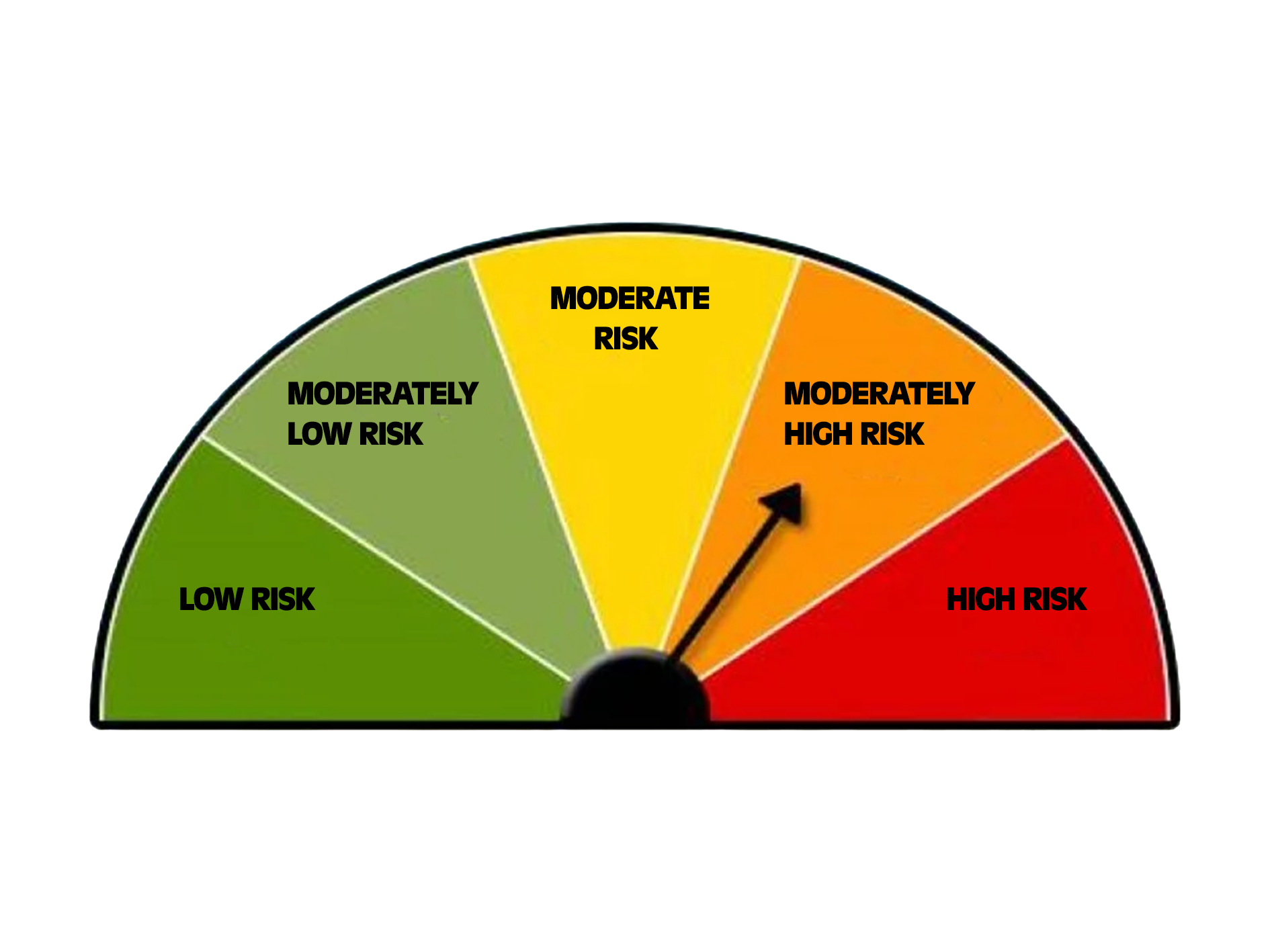
Liquidity management across multiple currencies is a critical component of sound banking practice, particularly for banks engaged in international operations. Effective liquidity management ensures that a bank can meet its financial obligations in all operating currencies, even during periods of market stress. Regulatory frameworks emphasize the need for adequate high-quality liquid assets (HQLAs), diversification of funding sources, robust risk management practices, and adherence to international standards.
Key Principles and Considerations
1. Maintenance of Sufficient Liquid Assets
Banks are required to maintain a buffer of unencumbered, high-quality liquid assets in each operating currency to absorb potential liquidity shocks. These assets should be readily available to meet anticipated and unexpected outflows under both normal and stressed conditions.
2. Diversification of Funding Sources
To reduce vulnerability to liquidity disruptions, banks should ensure a stable and diverse funding profile. Over-reliance on a limited number of funding sources or markets can expose banks to significant liquidity risk, particularly in times of market volatility.
3. Currency-Specific Liquidity Planning
Liquidity risk management must consider the specific currency composition of the bank’s assets and liabilities. Strategies should account for currency mismatches and ensure that sufficient liquidity is maintained in each currency to meet anticipated obligations.
4. Asset Conversion Capability
Banks must have the ability to convert assets into the required currencies in a timely and cost-effective manner. This requires access to deep and liquid markets for asset sales, repurchase (repo) transactions, or currency swaps.
5. Intraday Liquidity Management
Effective monitoring and control of intraday liquidity, particularly in payment and settlement systems, is essential to support operational continuity. Banks must ensure that sufficient funds are available throughout the day to settle obligations as they arise.
6. Stress Testing and Contingency Planning
Regular liquidity stress testing is essential to evaluate a bank’s resilience under adverse conditions. Banks should develop comprehensive contingency funding plans (CFPs) that outline actionable steps in response to liquidity shortfalls.
7. Supervisory Oversight and Intervention
Regulatory authorities play a critical role in overseeing banks’ liquidity risk management frameworks. Supervisors assess the adequacy of liquidity buffers, risk management practices, and the ability of banks to manage liquidity across currencies. Corrective actions may be imposed where weaknesses are identified.
8. Cross-Border Supervisory Coordination
For banks operating internationally, effective coordination between home and host country supervisors is necessary to manage cross-currency liquidity risk. This coordination helps ensure consistency in regulatory expectations and responses to liquidity stress events.
9. Adherence to International Standards
The Basel Committee on Banking Supervision (BCBS) provides global standards for liquidity risk management, including the Liquidity Coverage Ratio (LCR) and Net Stable Funding Ratio (NSFR). These frameworks promote a consistent approach to liquidity risk assessment and management across jurisdictions.
10. Monitoring of Key Liquidity Ratios
Banks should regularly monitor key liquidity indicators, such as:
- Short-term liabilities to total assets
- Long-term assets to total assets
- Liquidity Coverage Ratio (LCR)
- Net Stable Funding Ratio (NSFR)
These metrics provide insights into the bank’s liquidity position and inform strategic decisions regarding asset-liability management.
Related Posts