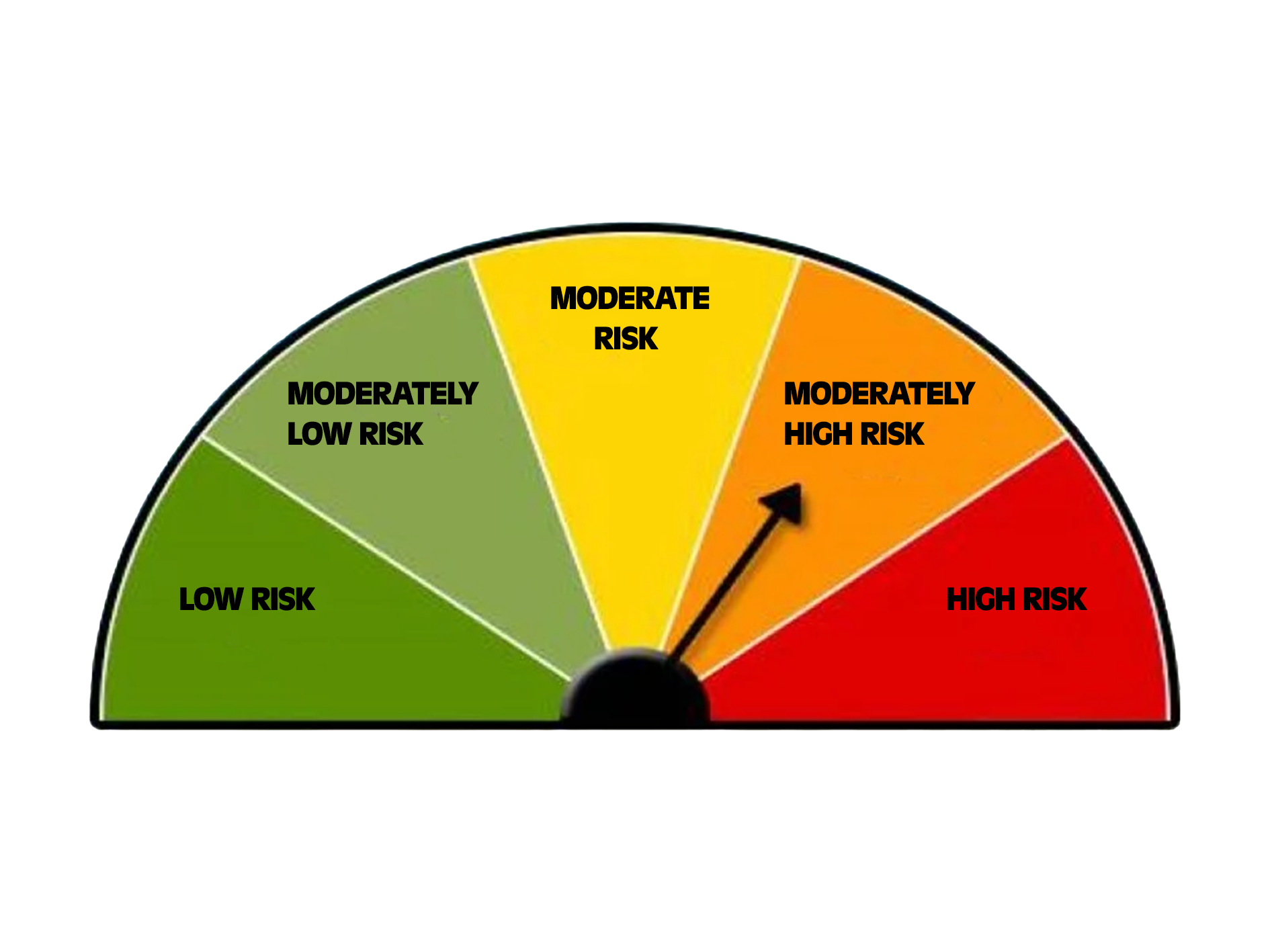
While Integrated Risk Management (IRM) offers significant benefits in terms of risk visibility, operational efficiency, and resilience, its successful implementation is often fraught with challenges. These obstacles can stem from organizational culture, technological limitations, resource constraints, and the complexity of aligning diverse risk domains within a unified framework.
1. Cultural and Organizational Challenges
Resistance to Change
Transitioning from traditional, siloed risk management to an integrated approach requires a cultural shift toward enterprise-wide risk awareness. Employees and managers may resist changes in processes, responsibilities, and accountability structures.
Lack of Executive Sponsorship
IRM initiatives require strong leadership and strategic direction. Without senior management buy-in, these initiatives may lack the necessary support, funding, and visibility, hindering their adoption and long-term sustainability.
Siloed Risk Functions
Many organizations still manage risks within departmental boundaries, leading to fragmented risk identification and mitigation efforts. This limits cross-functional collaboration and undermines the goal of holistic risk management.
Communication Barriers
Effective IRM depends on clear, consistent communication of risk information across all levels of the organization. Poor communication can lead to misunderstandings, delayed responses, and missed risk mitigation opportunities.
2. Technological and Data Challenges
Integration of Legacy Systems
Many organizations operate a mix of legacy and modern systems, making the integration of risk data and processes technically challenging. Establishing a unified risk management platform often requires significant investment in IT infrastructure.
Data Quality and Consistency
Accurate and timely risk assessment depends on reliable data. However, inconsistencies in data formats, outdated information, and incomplete documentation can compromise risk analysis and decision-making.
Data Silos
Risk-related data is often stored in disparate systems across departments, making it difficult to gain a consolidated view of the organization’s risk exposure. This fragmentation hampers timely analysis and response.
Data Ownership and Accountability
Clearly defining data ownership is essential to ensure accountability for data quality and integrity. Without established governance, IRM frameworks can suffer from unreliable data inputs.
3. Strategic and Operational Challenges
Complex Regulatory Landscape
Navigating and complying with evolving regulatory requirements related to risk management can be resource-intensive. Different jurisdictions and industries impose varying standards, requiring constant monitoring and adaptation.
Diverse and Evolving Operational Risks
IRM must address a broad spectrum of risks—such as cyber threats, supply chain disruptions, and natural disasters—each with unique characteristics and mitigation needs. Managing this diversity within a single framework is complex.
Defining Risk Appetite
Establishing and communicating a clear risk appetite is critical for prioritizing risk responses. Ambiguity in risk tolerance can result in inconsistent risk-taking behavior across the organization.
Resource Constraints and Cost Estimation
IRM implementation requires investment in technology, training, and change management. Estimating costs and returns accurately is difficult, often requiring a phased rollout and continuous evaluation.
Metrics and Performance Measurement
Developing meaningful key performance indicators (KPIs) and metrics to assess IRM effectiveness poses challenges. Without clear metrics, it becomes difficult to measure progress or justify ongoing investment.
Conclusion
Integrated Risk Management is essential for modern organizations, but its adoption involves overcoming significant cultural, technological, and operational challenges. Addressing these issues requires committed leadership, cross-functional collaboration, investment in technology, and a well-defined governance framework. By recognizing and proactively managing these challenges, organizations can unlock the full potential of IRM and strengthen their resilience against an increasingly complex risk landscape.
Related Posts: