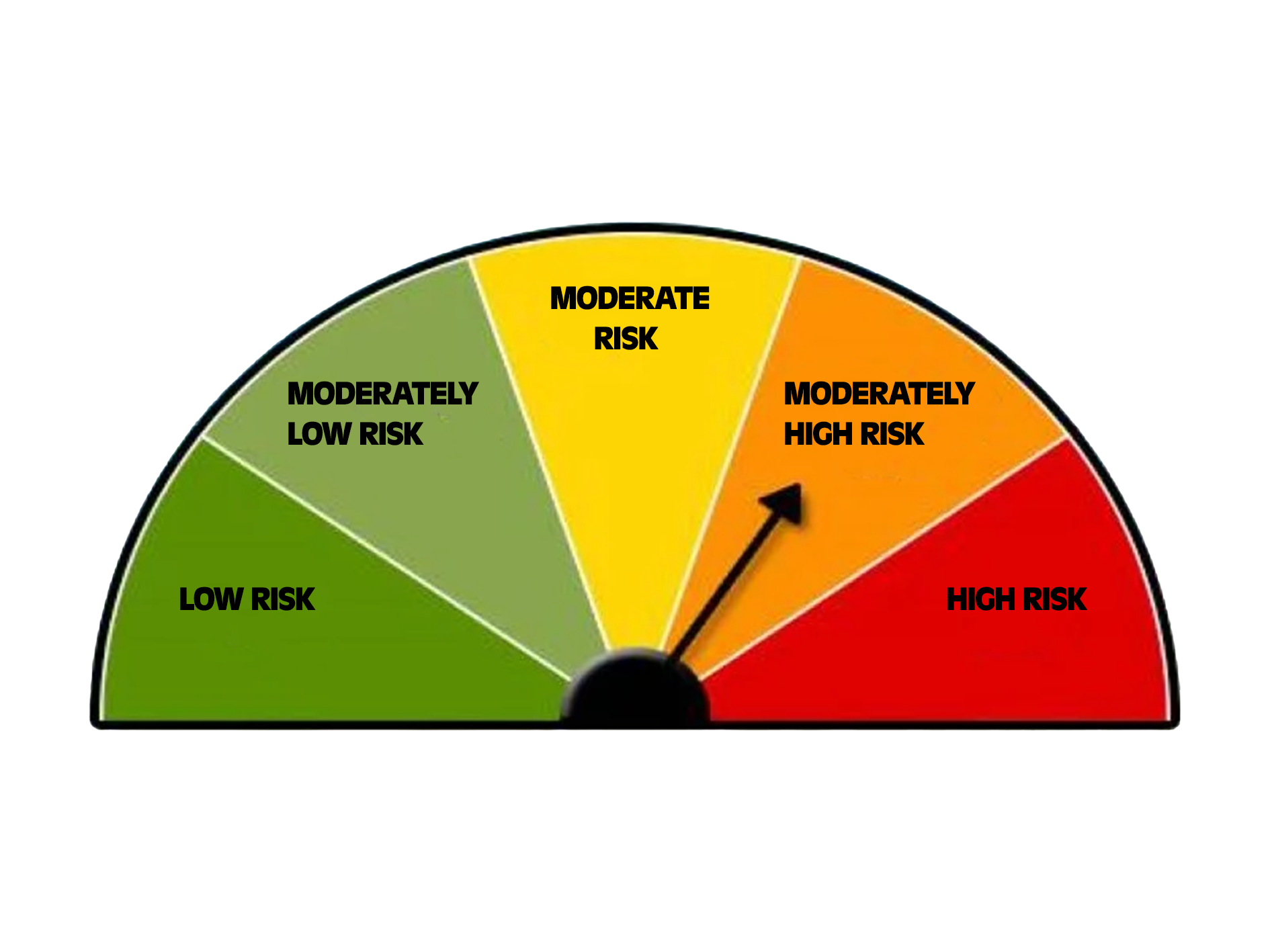
Operational risk refers to the potential for loss resulting from inadequate or failed internal processes, people, systems, or from external events. To effectively manage and mitigate these risks, financial institutions and other organizations categorize operational risk into specific types. This classification aids in identifying risk sources, designing control mechanisms, and enhancing overall operational resilience.
Key Categories of Operational Risk
- Internal Fraud
Losses arising from acts of a fraudulent nature committed by individuals within the organization, such as theft, embezzlement, or unauthorized transactions. - External Fraud
Losses caused by external parties, including cyberattacks, forgery, data breaches, and other forms of fraud perpetrated by customers, vendors, or other third parties. - Process Failures
Risks resulting from errors or failures in internal processes. This includes mistakes in transaction processing, data entry, record-keeping, and reporting. - Technology Failures
Operational disruptions stemming from failures or malfunctions in IT systems, hardware, or software, which can impair business continuity and cause financial loss. - People Risk
Risks associated with human factors such as employee misconduct, inadequate training, errors in judgment, or breaches of workplace safety protocols. This also includes risks from poor labor relations or staffing issues. - Damage to Physical Assets
Losses due to damage or destruction of physical assets—including buildings, equipment, or inventory—caused by natural disasters, accidents, or acts of vandalism. - Clients, Products, and Business Practices
Risks associated with improper business conduct, including mis-selling of products, breach of fiduciary duty, unfair competitive practices, or failure to meet product quality standards, which can lead to customer dissatisfaction or legal action. - Business Disruption and System Failures
Risks linked to unplanned interruptions of business operations, such as power outages, natural disasters, system downtime, or supply chain disruptions. - Legal and Compliance Risk
Risks arising from non-compliance with applicable laws, regulations, or contractual obligations, potentially leading to legal penalties, sanctions, or reputational damage. - Reputational Risk
Although often considered a consequence of other risk categories, reputational risk involves the potential loss of public trust or adverse impact on the organization’s reputation due to operational failures or ethical lapses.
Conclusion
Categorizing operational risk allows organizations to implement targeted and effective risk management strategies. By systematically identifying and assessing each category, institutions can better allocate resources, design controls, and ensure greater resilience against potential disruptions or losses.
Related Posts:
Operational Risk Articles related to Model ‘D’ of CAIIB –Elective paper: