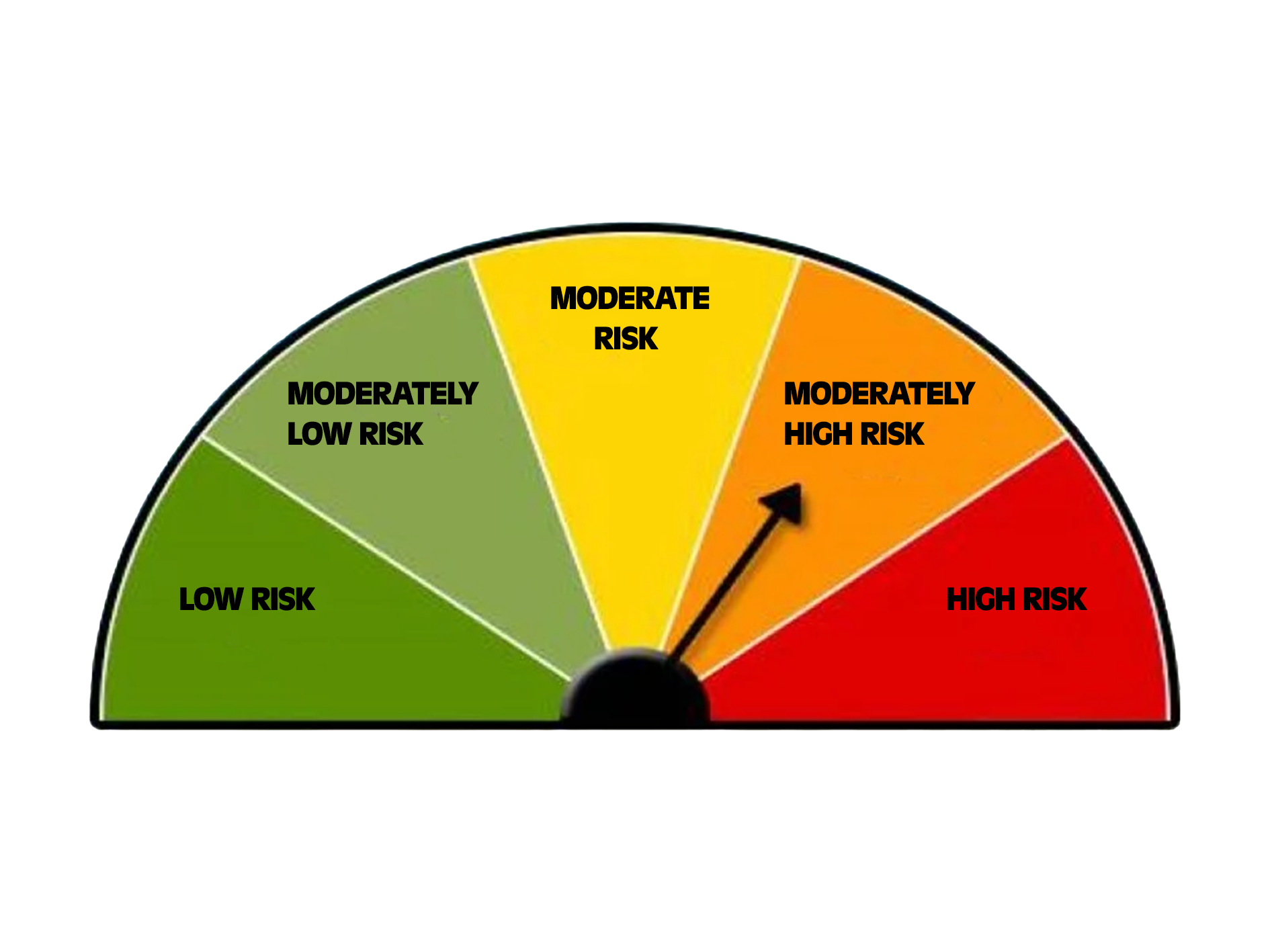
Credit control at the portfolio level refers to the strategic management of credit risk across a financial institution’s collective credit exposures. Unlike transaction-level credit management, which focuses on individual borrowers, portfolio-level credit control emphasizes optimizing the overall risk-return profile of the institution’s credit assets. This is achieved by managing concentration risks, aligning with regulatory expectations, and using data-driven insights for proactive decision-making.
Key Aspects of Credit Portfolio Control and Management
1. Risk Measurement and Management
Effective credit portfolio management (CPM) begins with a comprehensive assessment of portfolio-level risk. This includes:
- Measuring concentration risk across sectors, geographies, and borrower types
- Assessing correlations between exposures
- Conducting stress testing to evaluate the portfolio’s resilience under adverse economic conditions
2. Portfolio Optimization
CPM seeks to maximize returns while maintaining acceptable risk levels through:
- Diversifying exposures to minimize correlated risks
- Adjusting pricing strategies and collateral requirements
- Utilizing hedging tools or engaging in the secondary loan market to rebalance exposures
3. Regulatory Compliance
Compliance with regulatory frameworks, such as capital adequacy (Basel III) and liquidity norms, is critical. CPM must ensure:
- Adequate capital buffers for credit risk exposures
- Adherence to risk concentration and exposure limits
- Timely and accurate regulatory reporting
4. Proactive Risk Management
Portfolio-level risk management extends beyond loan origination by:
- Actively monitoring exposures post-disbursement
- Utilizing secondary market transactions or credit derivatives for risk transfer
- Reallocating risk based on market movements or portfolio performance
5. Integration with Institutional Functions
Effective CPM requires seamless coordination with:
- Finance and Treasury – for capital planning and liquidity management
- Risk and Data Analytics – for model development and risk assessment
- Business Origination Units – to align risk appetite with lending strategies
6. Data-Driven Decision-Making
Modern CPM relies on advanced analytics and real-time data for:
- Early identification of deteriorating credit quality
- Optimizing capital allocation
- Supporting dynamic portfolio adjustments
Core Activities in Portfolio Credit Monitoring
Monitoring
Regular tracking of key performance indicators (KPIs), such as:
- Delinquencies, overdue accounts, and repayment trends
- Sector-wise and geography-wise risk concentrations
Risk Assessment
Continuous evaluation of the creditworthiness of borrowers and overall portfolio risk using:
- Internal rating models
- Credit scoring systems
- Market and economic indicators
Early Warning Systems (EWS)
Timely detection of emerging risks through:
- Payment behavior analysis
- Sectoral stress signals
- Macroeconomic trend tracking
Portfolio Analysis
Ongoing assessment of portfolio composition to:
- Identify high-risk segments
- Detect areas for growth or consolidation
- Ensure alignment with risk appetite and strategic goals
Diversification and Limit Setting
Reducing systemic risk through:
- Sectoral, regional, and borrower diversification
- Enforcement of exposure limits to avoid excessive concentrations
Reporting and Dashboards
Regular generation of actionable reports and visual dashboards to:
- Present portfolio performance to senior management and the board
- Track compliance with internal and regulatory risk thresholds
Benefits of Effective Credit Portfolio Management
- Reduced Credit Losses: Timely detection and proactive handling of problem loans mitigate loss impact.
- Regulatory Compliance: Strong CPM supports adherence to capital, provisioning, and disclosure standards.
- Enhanced Profitability: Improved risk-adjusted returns contribute to financial stability and shareholder value.
- Stronger Client Relationships: Tailored monitoring and engagement improve borrower experience and loyalty.
- Operational Efficiency: Streamlined processes and technology adoption improve resource utilization and decision-making speed.
Key Considerations for Successful CPM
- Data Management: Reliable, timely, and granular data is essential for accurate risk assessment and reporting.
- Technology Utilization: Leveraging advanced analytics, artificial intelligence (AI), and machine learning (ML) enhances predictive capabilities and responsiveness.
- Functional Integration: CPM must be embedded within the broader enterprise risk management framework.
- Skilled Workforce: Professionals with expertise in credit analysis, portfolio management, and regulatory compliance are critical for execution.
Conclusion
Credit control and monitoring at the portfolio level is a forward-looking, strategic function that supports financial institutions in managing credit risk holistically. By leveraging data, technology, and coordinated governance, institutions can improve risk-adjusted returns, ensure regulatory compliance, and achieve sustainable growth.
Related Posts:
WHAT ARE THE CREDIT RISK MITIGATION STRATEGIES USED IN BANKS