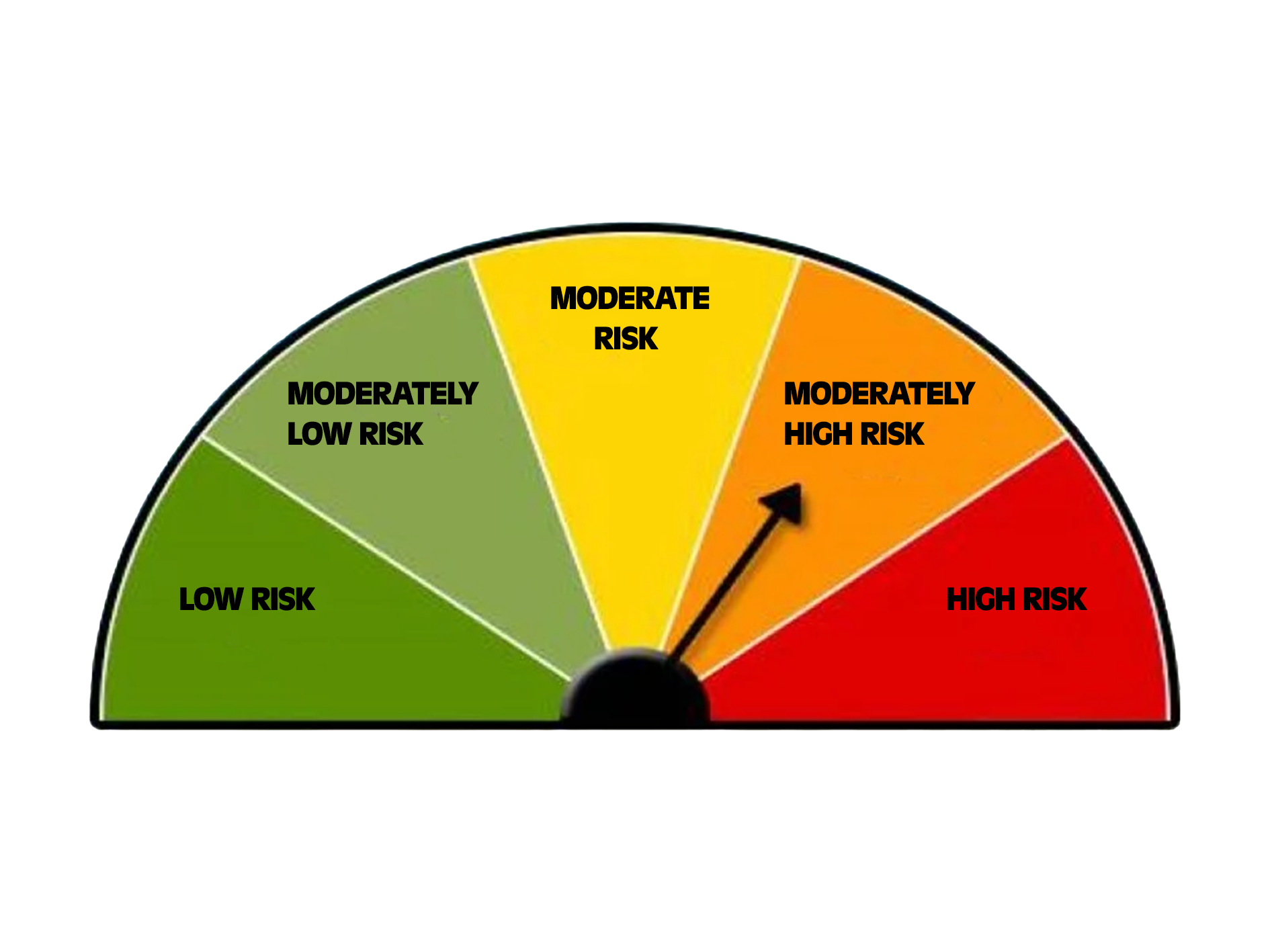
Understanding Credit Risk
Credit risk refers to the potential for financial loss resulting from a counterparty’s failure to fulfill its contractual obligations. In the context of derivatives, this risk is particularly significant due to the potential cost of replacing a defaulted transaction, especially when market conditions have changed unfavorably between the time of default and the time the position is replaced.
Effective internal controls necessitate that organizations not only measure the current credit exposure but also consider the potential cost of replacing the transaction under new market conditions. This comprehensive approach ensures a more accurate assessment of overall credit exposure.
Credit Risk Management and Organizational Controls
An essential principle emphasized by the Group of Thirty is that credit risk management must be functionally independent from the trading unit that originates the transaction. Traders, driven by incentives to execute deals, may understate credit exposure risks. Therefore, a dedicated credit risk management team is best positioned to objectively assess the appropriateness of transactions and ensure they align with the organization’s risk appetite and policies.
Collateralization and Clearing Mechanisms
Two significant developments support improved credit risk management:
- Use of Collateral: Increasingly, institutions are adopting collateral to mitigate counterparty risk. The 1994 ISDA Credit Support Annex has provided a standardized framework for collateral arrangements, facilitating broader adoption. For example, the World Bank has publicly committed to collateralizing its swap portfolios to manage risk effectively.
- Clearinghouses for Derivatives: There is ongoing discussion, particularly in media circles, about establishing centralized clearinghouses for swaps and other derivative contracts. Although implementing such infrastructure is complex, it is being actively explored as a means to reduce systemic risk and enhance market transparency.
Credit Derivatives: Definition and Application
Credit derivatives are financial instruments whose value is derived from credit-related assets such as bonds, loans, or other debt obligations. These instruments are primarily used to manage or transfer credit risk between parties without requiring direct ownership of the underlying asset.
Credit Derivatives in the Indian Context
In India, credit derivatives are primarily used in the form of Credit Default Swaps (CDS). These instruments allow participants to hedge against potential credit events such as default or credit rating downgrades. Originally introduced for risk mitigation, regulatory developments now aim to expand their utility beyond hedging, encouraging broader market participation.
Key Features of Credit Derivatives in India
- Transfer of Credit Risk:
Credit derivatives facilitate the transfer of credit risk from the protection buyer (who seeks protection against default) to the protection seller (who assumes the risk in exchange for a premium). - Hedging and Speculation:
These instruments can serve dual purposes. While primarily used for hedging existing exposures, they can also be used to speculate on movements in credit spreads. - Over-the-Counter (OTC) Market:
In India, credit derivatives are traded over-the-counter, meaning transactions are privately negotiated between parties rather than traded on centralized exchanges. - Credit Default Swaps (CDS):
CDS are the most common form of credit derivative in India. The protection buyer pays a periodic premium to the protection seller, who compensates the buyer in the event of a credit event affecting the reference entity. - Regulatory Oversight:
The Reserve Bank of India (RBI) has issued comprehensive guidelines governing the use of credit derivatives. These include directives for both retail and non-retail users, emphasizing transparency, risk management, and the need for appropriate internal controls. - Draft Guidelines and Market Evolution:
Recent draft directions from the RBI aim to liberalize credit derivative usage, promoting broader applications beyond traditional hedging. These proposed changes are expected to enhance market depth and liquidity. - Settlement Mechanisms:
CDS contracts may be settled bilaterally or through approved clearinghouses. Settlement can take the form of cash payments, physical delivery of the underlying asset, or auction-based mechanisms.
Conclusion
Credit derivatives, particularly CDS, are emerging as vital tools for credit risk management in India’s evolving financial markets. With enhanced regulatory frameworks and growing institutional interest, these instruments are expected to witness wider adoption. As the market matures, effective risk management practices—such as collateralization, independent oversight, and robust settlement infrastructure—will be essential to ensuring the soundness and sustainability of credit derivative usage.
Related Posts