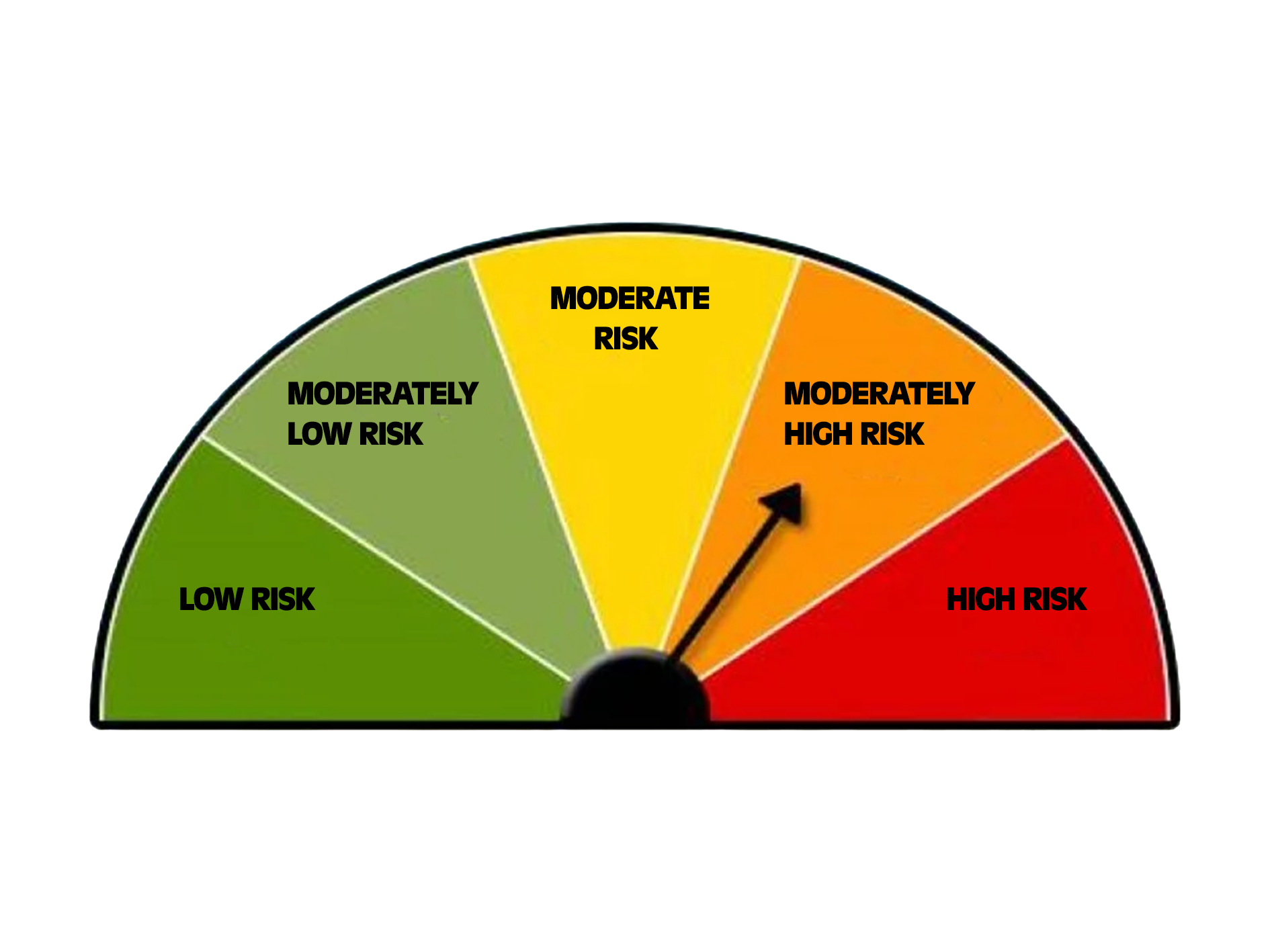
Credit risk control and monitoring are essential components of a financial institution’s risk management framework. These processes aim to identify, evaluate, manage, and mitigate the potential for losses resulting from borrowers’ failure to meet repayment obligations. Effective credit risk control not only safeguards the institution’s financial health but also ensures compliance with regulatory requirements and supports long-term profitability.
Key Aspects of Credit Risk Control and Monitoring
1. Credit Risk Assessment
Before extending credit, institutions must thoroughly assess a borrower’s creditworthiness. This includes:
- Reviewing credit history and repayment behavior
- Analyzing financial statements and cash flow projections
- Considering industry-specific risks and market position
2. Monitoring Loan Performance
Ongoing supervision of loan accounts is critical to detect early warning signs of distress. Key monitoring activities include:
- Tracking timely repayments and outstanding dues
- Reviewing compliance with loan covenants and terms
- Conducting periodic reassessments of the borrower’s financial health
3. Managing Credit Exposure
Institutions must control the concentration of credit risk by:
- Diversifying credit exposure across sectors, geographies, and borrower categories
- Setting internal exposure limits and monitoring adherence
- Avoiding overexposure to correlated or high-risk borrowers
4. Addressing Non-Performing Loans (NPLs)
Timely identification and resolution of problem loans is essential. This involves:
- Classifying and provisioning for NPLs in line with regulatory norms
- Implementing recovery strategies, such as restructuring, legal action, or asset realization
- Tracking recovery performance and improving resolution frameworks
5. Regulatory Compliance
Financial institutions must comply with relevant regulations and supervisory guidelines, including:
- Prudential norms for credit classification, provisioning, and exposure limits
- Reporting requirements for loan performance and risk metrics
- Implementation of board-approved credit risk management policies
6. Leveraging Data and Technology
Advanced analytics, artificial intelligence (AI), and machine learning (ML) are transforming credit monitoring by:
- Enhancing early detection of credit deterioration
- Automating monitoring of loan accounts and compliance metrics
- Generating predictive insights for better decision-making
7. Continuous Process Improvement
Institutions should regularly evaluate and update credit risk control mechanisms to:
- Reflect evolving market conditions and emerging risks
- Incorporate regulatory changes and best practices
- Strengthen governance, oversight, and operational efficiency
Examples of Monitoring Activities
- Payment Behavior: Monitoring for delayed, missed, or partial payments to identify stress signals.
- Exposure Limits: Ensuring credit exposures remain within approved borrower or group limits.
- Risk Drivers: Analyzing macroeconomic, sectoral, and borrower-specific risk factors influencing credit quality.
- Model Validation: Periodically validating credit scoring and risk assessment models to maintain accuracy and relevance.
- Concentration Risk: Identifying and managing excessive credit exposures to particular industries or borrower groups.
- Impairment and Write-offs: Assessing the need for loan impairments and writing off irrecoverable assets as per policy.
Conclusion
An effective credit risk control and monitoring framework is vital for the financial sustainability of institutions. By maintaining vigilance over credit exposures, implementing robust controls, and embracing technological advancements, financial institutions can proactively manage risk, protect their balance sheets, and foster strong client relationships.
Related Posts:
WHAT ARE THE CREDIT RISK MITIGATION STRATEGIES USED IN BANKS