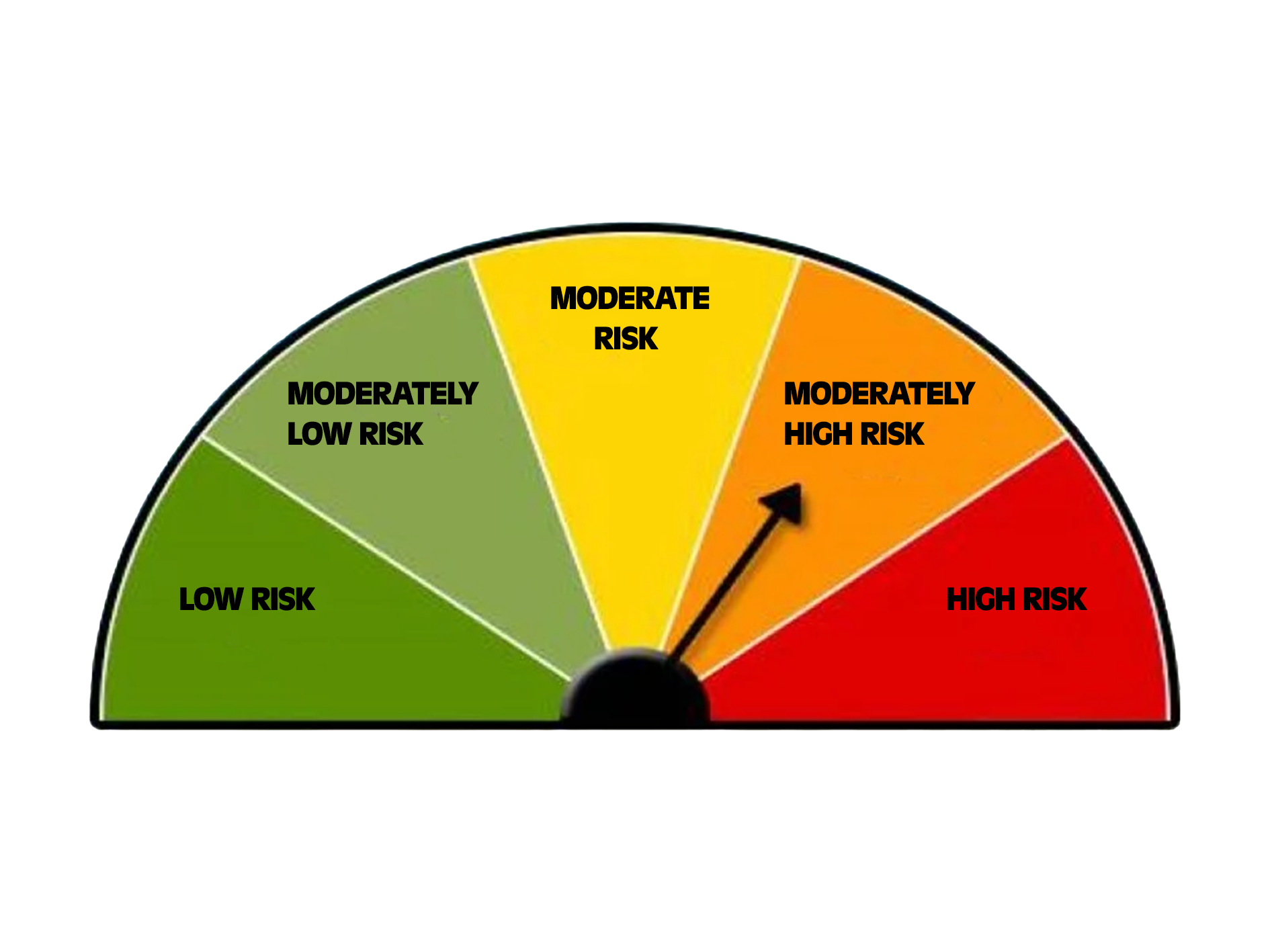
Credit risk mitigation refers to the strategic measures and techniques employed by lenders to reduce potential financial losses resulting from borrower defaults. These practices are essential for safeguarding institutional capital, enhancing portfolio quality, and maintaining long-term financial stability. Effective credit risk mitigation involves comprehensive risk assessment, prudent loan structuring, and proactive monitoring and management.
Key Strategies for Credit Risk Mitigation
1. Risk-Based Pricing
Lenders apply differentiated interest rates based on the credit risk profile of borrowers. Higher-risk borrowers are charged premium rates to compensate for their elevated probability of default, thereby aligning risk and return.
2. Covenants
Loan agreements typically include financial or operational covenants that impose specific conditions on borrowers. These may require the maintenance of certain financial ratios or restrict activities such as additional borrowing, thereby protecting the lender’s interests.
3. Collateralization
In secured lending, borrowers are required to pledge assets—such as real estate, equipment, or receivables—as collateral. In the event of default, these assets can be liquidated to recover outstanding dues, thereby mitigating credit loss.
4. Guarantees
Lenders may obtain guarantees from third parties (e.g., parent companies, individuals, or financial institutions) to ensure debt repayment in case of borrower default. This reduces the lender’s direct credit exposure and strengthens the borrower’s credit profile.
5. Credit Derivatives
Instruments such as credit default swaps (CDS) allow financial institutions to transfer or hedge credit risk, providing flexibility and enhancing the overall risk management strategy.
6. Diversification
Distributing credit exposure across various sectors, geographies, and borrower types reduces concentration risk and insulates the portfolio from localized economic shocks.
7. Post-Disbursement Monitoring
Ongoing assessment of borrowers’ financial condition and repayment behavior allows for early detection of potential issues, enabling timely intervention and corrective action.
8. Early Intervention Measures
When warning signs of distress emerge, lenders may implement measures such as restructuring loans, rescheduling payments, or revising interest terms to support borrower recovery and avoid default.
Benefits of Effective Credit Risk Mitigation
- Reduced Financial Losses: Minimizes the impact of borrower defaults, thereby protecting capital and preserving profitability.
- Strengthened Risk Management: Improves the institution’s ability to identify, measure, and manage credit exposures effectively.
- Expanded Lending Capacity: Enables institutions to extend credit to a broader range of clients with confidence.
- Enhanced Financial System Stability: Contributes to the resilience of the financial sector by reducing systemic credit risk.
Enabling Tools and Technologies
1. Credit Scoring Models
These statistical tools evaluate borrower creditworthiness based on multiple parameters such as income, repayment history, and credit utilization, supporting informed lending decisions.
2. Portfolio Management Software
These platforms help in monitoring and analyzing loan portfolios, identifying high-risk exposures, and optimizing credit strategies.
3. Early Warning Systems
Powered by analytics and machine learning, these systems detect early signs of borrower distress—such as liquidity issues or missed payments—enabling timely interventions.
4. Loan Origination Systems (LOS)
These digital systems streamline the credit approval process, ensuring efficiency, consistency, and compliance with internal and regulatory requirements.
Regulatory Compliance
All credit risk mitigation practices must adhere to prevailing regulatory frameworks, particularly those under Basel III, which emphasize risk-sensitive capital adequacy, robust credit risk assessment, and transparency. Compliance with such standards not only mitigates legal and reputational risks but also strengthens institutional governance and market confidence.
Conclusion
A well-designed credit risk mitigation framework is fundamental to the success and sustainability of financial institutions. By integrating prudent risk management practices, leveraging advanced technology, and aligning with regulatory norms, lenders can effectively minimize credit losses, enhance portfolio resilience, and contribute to a stable and secure financial system.
Related Posts: WHAT ARE THE CREDIT RISK MITIGATION STRATEGIES USED IN BANKS
Related Posts