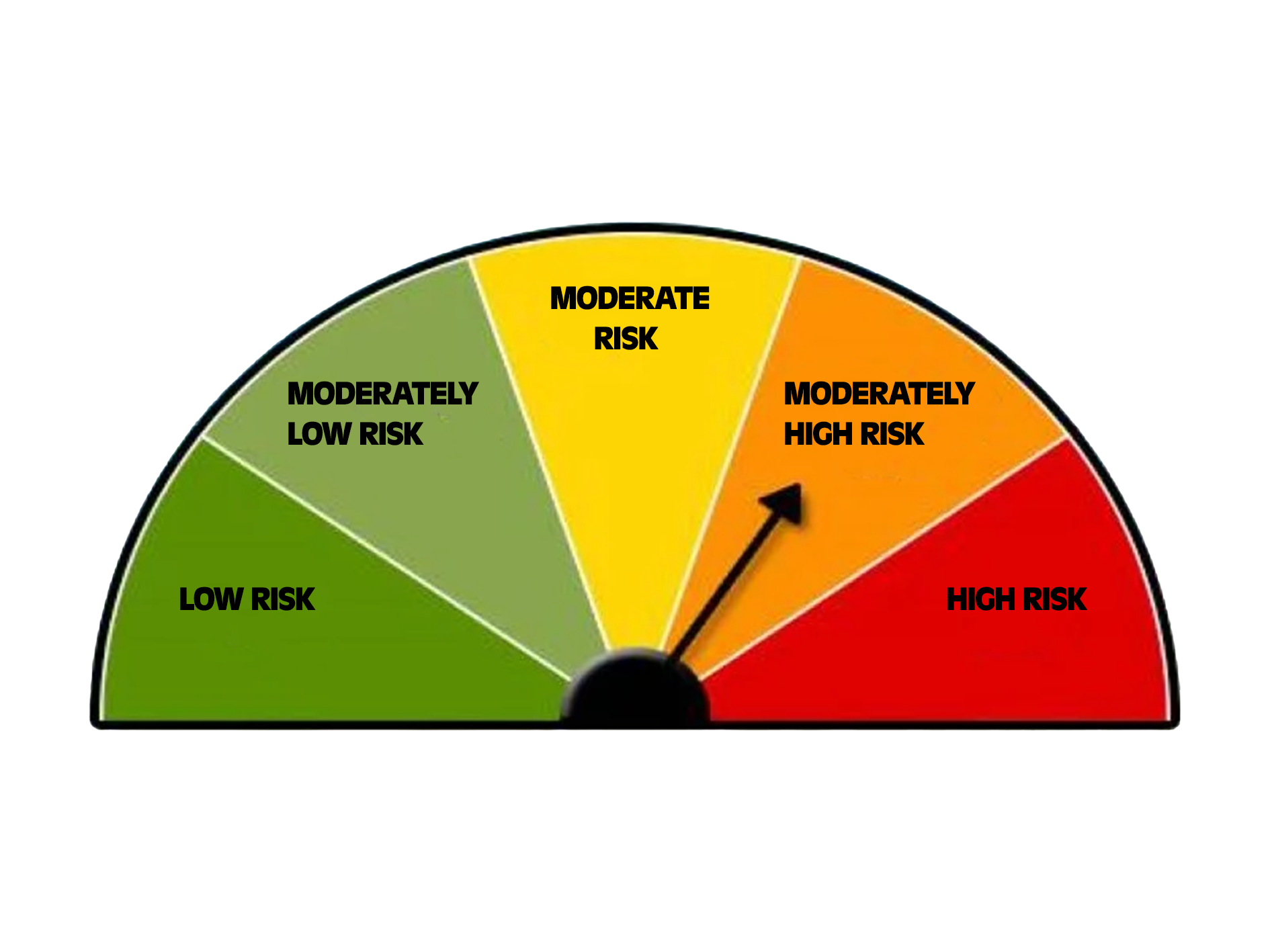
Credit risk policies and guidelines at the transaction level provide a structured approach to identifying, measuring, controlling, and monitoring credit risk on a per-loan basis. These policies are essential for ensuring that each credit decision aligns with the institution’s risk appetite, regulatory expectations, and strategic objectives. They help maintain credit discipline, minimize potential losses, and support the long-term health of the loan portfolio.
1. Risk Identification and Assessment
Defining Credit Risk
Institutions must clearly define credit risk in the context of transaction-level exposures. This includes potential losses resulting from borrower defaults, credit downgrades, or adverse events impacting repayment capacity.
Target Markets
Policies should specify eligible borrower segments and industries, aligning credit origination with the institution’s business strategy and risk appetite.
Creditworthiness Assessment
Standardized procedures should be in place to assess borrower creditworthiness, including:
- Financial statement analysis
- Credit history evaluation
- Collateral adequacy
- Cash flow assessments
Risk Grading
An internal risk grading system must be used to categorize borrowers based on credit risk. Grades or scores (e.g., AAA to C) help in differentiating risk levels and applying appropriate pricing and controls.
Transaction-Specific Risk Analysis
Each loan or credit transaction must be assessed individually, considering:
- Loan amount and structure
- Tenor and repayment schedule
- Security and collateral arrangements
- Specific transaction-related risks (e.g., currency, legal, or market-linked risks)
2. Credit Approval Process
Delegation of Authority
Credit approval authority should be tiered according to seniority, expertise, and transaction size. This ensures that more complex or higher-risk proposals receive adequate oversight.
Approval Limits
Limits must be defined for different types and sizes of transactions. These limits should be assigned based on position, risk level, and historical performance of the approvers.
Documentation Requirements
All credit applications must include comprehensive documentation such as:
- Financial and risk analysis
- Justification for credit structure and terms
- Borrower background and industry outlook
- Proposed collateral and covenant structure
Due Diligence Standards
Policies should outline the required level of due diligence for various transaction types. This includes site visits, third-party verifications, and independent credit assessments.
3. Monitoring and Control
Exposure Limits
Institutions should define and enforce exposure ceilings for:
- Individual borrowers and borrower groups
- Industry sectors and geographic regions
- Counterparties with correlated risk profiles
Collateral Management
Effective collateral management involves:
- Initial and periodic valuation of assets
- Monitoring of collateral coverage ratios
- Enforcement and liquidation protocols in case of default
Loan Covenants
Loan agreements should include financial and operational covenants to monitor borrower performance and provide early intervention triggers.
Early Warning Systems
Early detection mechanisms should be implemented to flag potential deterioration in credit quality, using indicators such as:
- Delayed payments
- Financial ratio breaches
- Market or sectoral developments impacting the borrower
4. Reporting and Review
Regular Reporting
Institutions must generate periodic reports on:
- Loan performance and delinquencies
- Risk concentrations and exposure trends
- Compliance with internal policies and limits
Portfolio Review
Comprehensive reviews of the credit portfolio should be conducted regularly to:
- Identify emerging risks or deteriorating segments
- Reassess sectoral and geographic exposures
- Refine underwriting and monitoring practices
Policy Review and Update
Credit policies should be reviewed at least annually or when prompted by significant changes in:
- Economic conditions
- Regulatory frameworks
- Institutional strategy or risk appetite
Conclusion
By implementing robust credit risk policies and guidelines at the transaction level, financial institutions can ensure prudent lending practices, reduce the likelihood of credit losses, and maintain a sound and diversified loan portfolio. These policies support risk-based decision-making, promote transparency, and help institutions respond proactively to changing credit dynamics.
Related Posts:
WHAT ARE THE CREDIT RISK MITIGATION STRATEGIES USED IN BANKS