Definition and Importance
Liquidity management refers to the strategic process by which an organization, particularly a financial institution, ensures the availability of sufficient cash or easily convertible liquid assets to meet its short-term financial obligations. This involves maintaining an optimal balance between holding enough cash to manage day-to-day operations and maximizing returns on surplus funds through prudent investment.
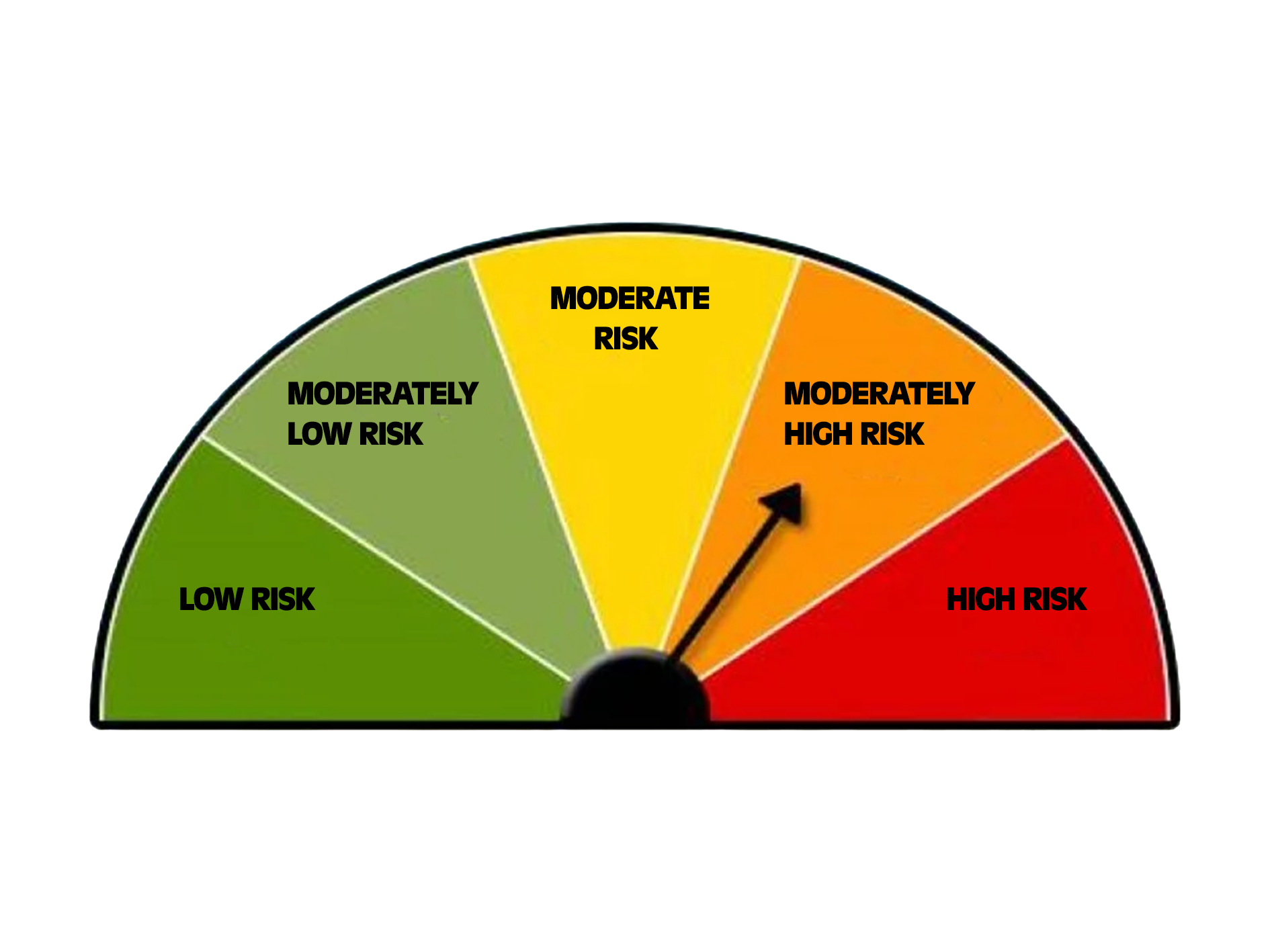
For banks, liquidity risk arises when they are unable to meet their financial obligations as they fall due, without negatively impacting their financial position. The ability to fund asset growth and honor liabilities promptly is vital for the continued viability of any banking institution. Consequently, effective liquidity management is a core function of banks and plays a critical role in maintaining financial stability.
Liquidity Risk and Systemic Impact
Failure to manage liquidity effectively can lead to serious operational and reputational issues and may even threaten the solvency of the institution. Moreover, liquidity challenges at one bank can have wider systemic repercussions, potentially destabilizing the broader financial system. As such, it is essential for bank management to not only monitor the institution’s liquidity position on a continuous basis but also to anticipate future funding needs under various scenarios, including stress and adverse conditions.
Liquidity Management and Working Capital
For all organizations, sound liquidity management is a crucial aspect of managing working capital efficiently. It ensures that the entity can meet both its financial obligations and operational requirements, thereby supporting its overall financial performance.
Global Perspectives and Regulatory Developments
The Basel Committee on Banking Supervision has emphasized the importance of robust liquidity management, particularly in a globalized and consolidated banking environment. Banks are increasingly facing challenges due to a shift from core deposit reliance to greater dependence on wholesale funding. Additionally, recent episodes of financial market volatility have fundamentally altered how banks perceive and manage liquidity, necessitating enhanced risk management frameworks.
Strategic Objectives in Liquidity Management
- Meeting Obligations:
Liquidity management ensures the organization can fulfill its short-term liabilities while also supporting long-term investments and growth. - Maximizing Returns:
Organizations aim to deploy excess liquidity into short-term, low-risk investment opportunities to generate returns without compromising access to funds. - Mitigating Risks:
A well-structured liquidity strategy minimizes the risk of liquidity shortfalls and avoids the need to liquidate assets under unfavorable conditions.
Key Activities Involved:
- Cash flow forecasting
- Management of working capital
- Optimization of bank account structures
- Investment of surplus cash in highly liquid, short-term instruments
Conclusion
Robust liquidity management provides significant benefits, including improved financial insight, enhanced operational efficiency, reduced costs, and more informed strategic decision-making. For banks and other financial institutions, it is a foundational element that supports both resilience and growth in an increasingly complex financial environment.
Liquidity Risk Management Related articles