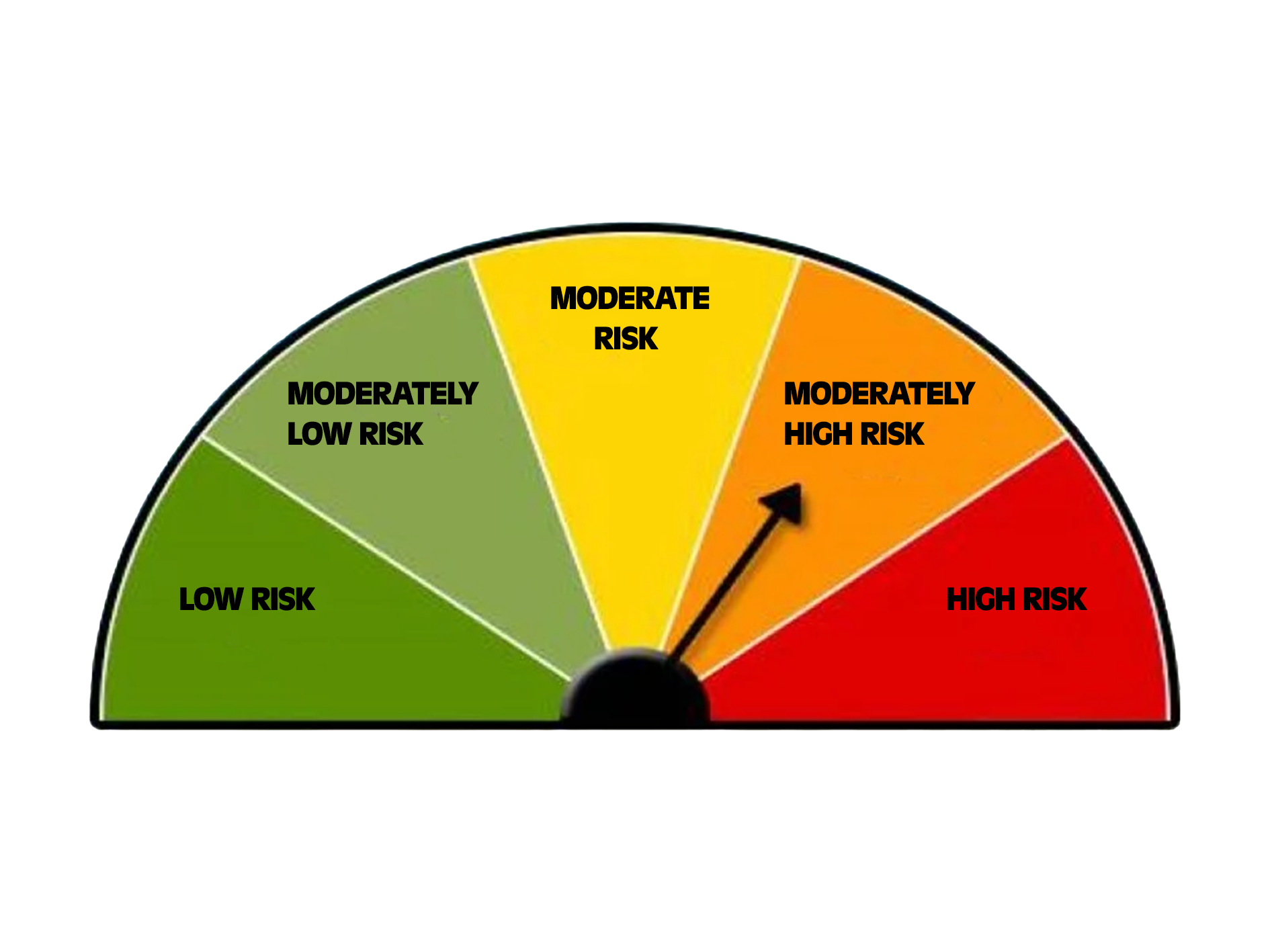
The Reserve Bank of India on February 17, 2023 issued final guidelines on Interest Rate Risk in Banking Book which require banks to measure, monitor, and disclose their exposure to IRRBB that may impact the capital base and future of earnings of lenders. IRRBB refers to the current or prospective risk to banks’ capital and earnings arising from adverse movements in interest rates that affect its banking book positions. Excessive IRRBB can pose a significant risk to banks’ current capital base and/or future earnings.
Banks are expected to establish robust reporting frameworks to monitor and disclose their Interest Rate Risk in the Banking Book (IRRBB). Reports detailing IRRBB exposures must be submitted to the Board of Directors or its designated committees regularly, ensuring timely review and action. These reports should provide comprehensive insights—both in aggregate and with detailed breakdowns—allowing the Board to assess the bank’s sensitivity to changes in market conditions effectively.
To maintain sound risk governance, the Board must periodically review the bank’s IRRBB management policies and procedures in light of the findings from these reports. This ensures alignment with current market dynamics and regulatory expectations. Competent staff, equipped with adequate technical knowledge and relevant experience, must undertake risk analysis and related activities. Furthermore, portfolios subject to significant mark-to-market fluctuations should be distinctly identified within the bank’s Management Information System (MIS) and should receive appropriate risk oversight, akin to portfolios exposed to broader market risks.
Minimum Reporting Requirements for Effective Risk Governance
The frequency and structure of IRRBB reports can vary depending on the nature of a bank’s portfolio. Nevertheless, at a minimum, the Board should receive semi-annual updates encompassing the following key elements:
1. Summaries of aggregate IRRBB exposures, accompanied by explanatory notes that outline the principal drivers, such as assets, liabilities, cash flows, and strategic positions.
2. Reports confirming compliance with internal policies and risk limits.
3. Documentation of key modeling assumptions, including the behavior of non-maturity deposits, prepayment patterns on fixed-rate loans, and approaches to currency aggregation.
4. Results from stress testing exercises, assessing the bank’s sensitivity to significant variables and assumptions.
5. Reviews of IRRBB policies and measurement systems, incorporating findings from internal and external audits or assessments by third-party consultants.
6. Outcomes of periodic model validations and audits, along with analysis comparing past forecasts or risk estimates against actual results to identify potential shortcomings.
Disclosure Guidelines for Economic Value and Net Interest Income Impact
Banks must adhere to specific methodologies when computing and disclosing changes in Economic Value of Equity (ΔEVE) and Net Interest Income (ΔNII). These disclosures ensure transparency in the bank’s sensitivity to interest rate movements and aid in market discipline.
In calculating ΔEVE, banks must:
* Exclude their own equity from the exposure computation.
* Include all cash flows from interest rate-sensitive assets, liabilities, and off-balance sheet items.
* Clearly disclose whether commercial margins and other spread components have been included or excluded from cash flows.
* Apply appropriate discounting techniques using either a risk-free rate or a risk-free rate inclusive of commercial margins, consistent with their cash flow treatment.
* Assume a run-off balance sheet approach, where existing positions amortize without replacement.
For ΔNII disclosure, banks must:
* Include expected cash flows, incorporating commercial margins and spread components from all interest rate-sensitive positions.
* Apply a constant balance sheet approach, assuming maturing positions are replaced with identical ones in terms of amount, repricing period, and spread.
* Report ΔNII as the variance in projected interest income over a forward-looking 12-month horizon.
Clarifying Measurement Techniques and Scope of Application
Banks may employ different techniques to assess changes in economic value due to interest rate movements, such as Present Value of a Basis Point (PV01), Economic Value of Equity (EVE), and Economic Value at Risk (EVaR). However, for standardized reporting and disclosure, the use of EVE is mandated.
*In finance, EVE primarily refers to Economic Value of Equity, a metric used to assess a bank’s long-term interest rate risk. It represents the present value of a bank’s assets minus the present value of its liabilities, essentially measuring the bank’s net worth considering the time value of money and future cash flows. EVE is particularly useful for understanding how a bank’s value might change due to fluctuations in interest rates.
Earnings-based measures evaluate potential changes in Net Interest Income over a typical period of one to three years. These may range from simple models that assume no replacement of assets and liabilities to more sophisticated dynamic models that factor in evolving business volumes and types. For disclosure consistency, banks must adopt a constant balance sheet model.
It is also critical to define interest rate-sensitive assets appropriately. These exclude items deducted from Common Equity Tier 1 capital, such as fixed assets and equity exposures in the banking book. Additionally, discounting must be performed using risk-free zero-coupon rates, such as those derived from the Zero Coupon Yield Curve published by recognized benchmark administrators.
Related Posts: