Introduction
Market risk reporting is an essential pillar of a comprehensive market risk management framework. It provides a structured approach to communicating potential financial exposures arising from market fluctuations, ensuring timely dissemination of risk information to key stakeholders. By documenting and reporting on key risk exposures, mitigation strategies, and performance against limits, organizations can enhance their resilience, support regulatory compliance, and enable informed strategic decision-making.
1. Purpose of Market Risk Reporting
Effective market risk reporting serves several critical functions within an organization:
- Proactive Risk Identification
Enables early detection of potential risks, allowing for timely intervention before escalation. - Enhanced Business Resilience
Supports preparedness and response capabilities by improving understanding of the organization’s risk profile. - Risk Prioritization
Facilitates the identification and ranking of significant risks to ensure optimal resource allocation. - Regulatory and Stakeholder Compliance
Demonstrates adherence to regulatory guidelines and satisfies the expectations of investors, regulators, and internal stakeholders.
2. Key Elements of Risk Reporting
- Risk Identification
Systematically identifying market risks such as interest rate volatility, foreign exchange fluctuations, and commodity price movements. - Risk Assessment
Evaluating the likelihood and impact of each identified risk using both qualitative and quantitative approaches. - Risk Mitigation Strategies
Outlining actions taken to reduce exposure, such as hedging or portfolio adjustments. - Monitoring and Review
Continuously tracking risks and assessing the effectiveness of mitigation measures. - Reporting Frequency
Establishing defined intervals for reporting—daily, weekly, or monthly—based on the risk appetite and operational needs. - Standardized Reporting Formats
Ensuring clarity and comparability by adopting consistent templates, key metrics, and terminology across reports.
3. Importance of Market Risk Reporting
- Informed Decision-Making
Provides management with actionable insights to support both tactical and strategic decisions. - Improved Transparency
Enhances communication and accountability across departments and business units. - Regulatory Compliance
Meets the mandatory disclosure and reporting obligations set by financial regulators. - Stakeholder Confidence
Builds trust among shareholders, investors, and other stakeholders by showcasing robust risk governance.
4. Tools and Techniques for Risk Reporting
Several analytical tools and visualization techniques support effective market risk reporting:
- Value at Risk (VaR)
Quantifies the maximum expected loss within a given confidence interval and time frame. - Expected Shortfall (ES)
Measures the average loss beyond the VaR threshold, capturing extreme market scenarios and tail risks. - Key Risk Indicators (KRIs)
Track critical metrics that signal changes in the risk environment. - Risk Dashboards
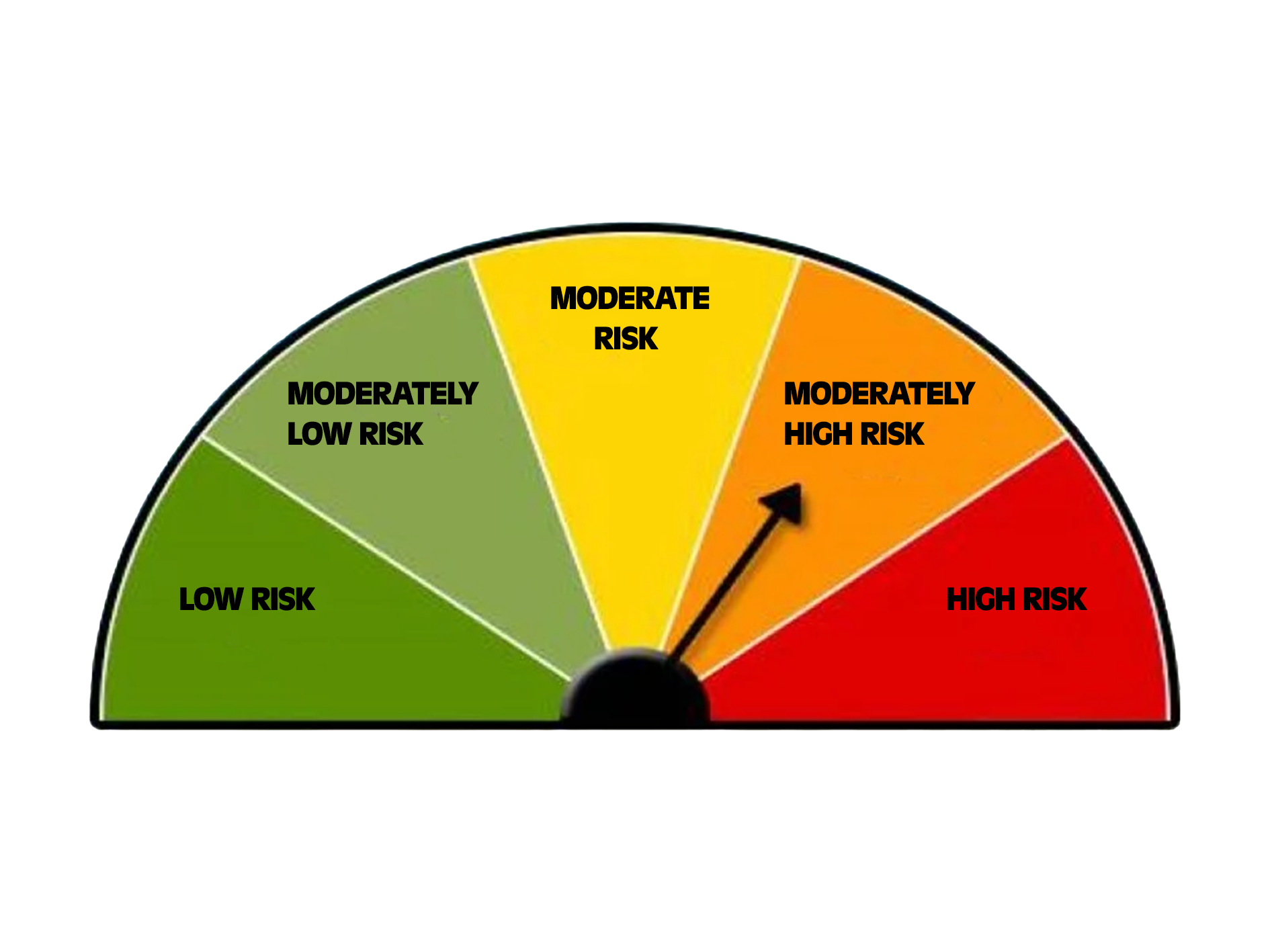
Provide visual summaries of key risk metrics, exposures, and trends for rapid interpretation by senior management.
5. Common Types of Market Risk Reports
- Daily Market Risk Report
Offers a snapshot of market movements, exposures, and potential losses based on current positions. - Monthly Risk Report
Delivers a comprehensive analysis of market risk trends, portfolio performance against established limits, and effectiveness of mitigation strategies. - Ad-Hoc Reports
Generated in response to specific market events, regulatory inquiries, or significant changes in risk exposure.
Conclusion
A robust market risk reporting framework is fundamental to effective risk management. It empowers organizations to anticipate and respond to market volatility, uphold regulatory standards, and make well-informed decisions that protect and enhance value. By integrating advanced tools, standardized practices, and clear governance, institutions can build greater transparency, resilience, and stakeholder confidence.
Related Post