Introduction
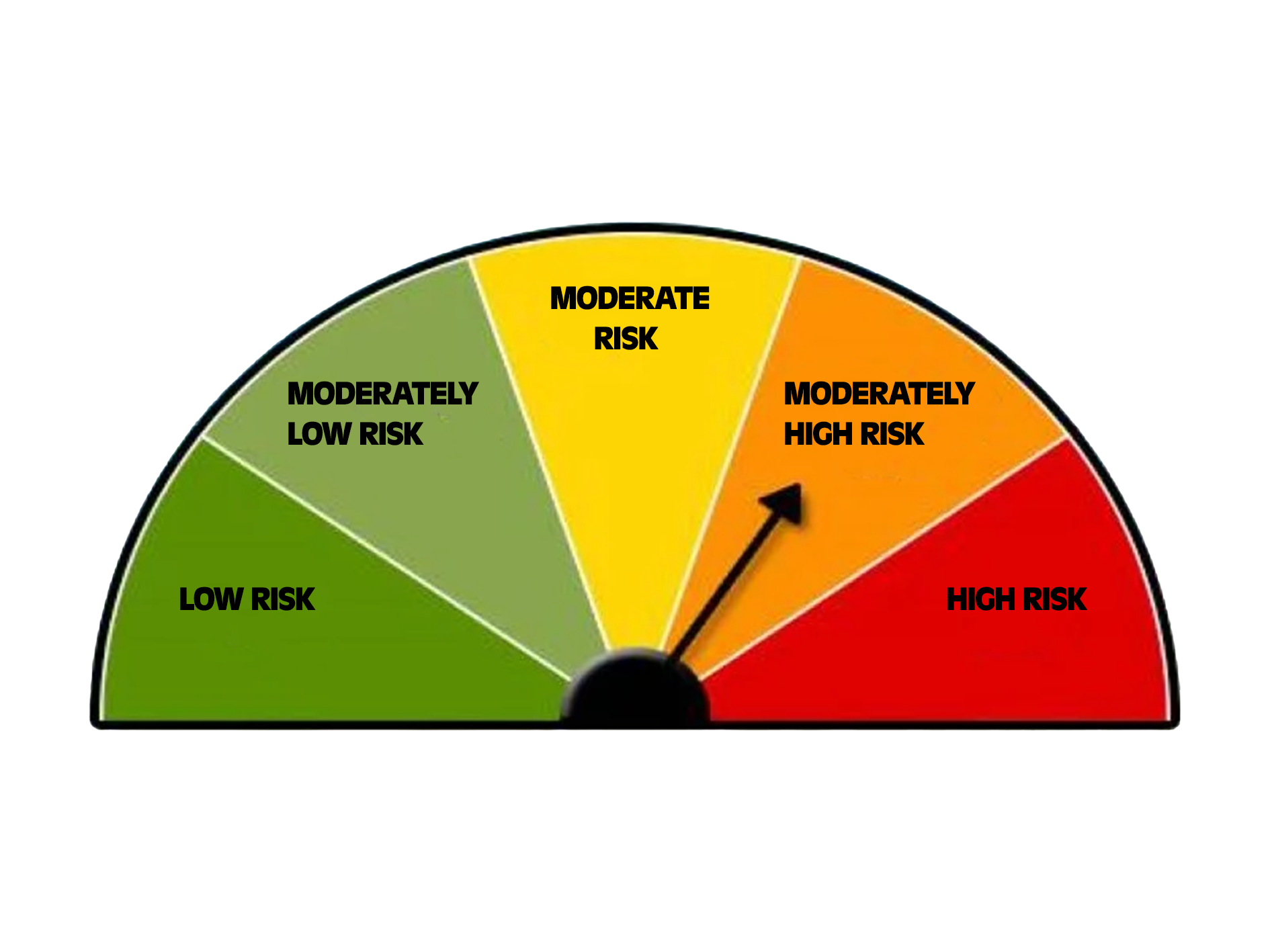
Risk, in the context of business and organizational operations, refers to the potential for loss, damage, or adverse consequences resulting from uncertain events or conditions. It signifies the possibility that undesirable outcomes may impact various facets of an organization, including its financial performance, operational continuity, regulatory compliance, and reputation.
To address these uncertainties effectively, organizations implement a Risk Management Framework (RMF)—a structured, systematic approach for identifying, assessing, mitigating, and monitoring potential risks. The primary objective of an RMF is to ensure that risks are managed in alignment with the organization’s strategic goals and regulatory obligations.
Core Components of a Basic Risk Management Framework
- Risk Identification
The initial phase involves systematically identifying potential risks that may affect the organization. These risks may arise from internal sources, such as human error, process inefficiencies, or system malfunctions, as well as external sources, such as market volatility, natural disasters, or geopolitical events. - Risk Assessment
Identified risks are then evaluated to determine their likelihood of occurrence and potential impact. This stage often involves qualitative and quantitative analysis to categorize risks by severity and prioritize them based on their significance to the organization’s objectives. - Risk Mitigation
In this phase, strategies are developed and implemented to reduce, transfer, or eliminate identified risks. Common mitigation approaches include establishing internal controls, formulating contingency or disaster recovery plans, outsourcing risk to third parties (e.g., insurance), or enhancing technological safeguards. - Risk Monitoring
Risk management is a continuous process. This component involves ongoing surveillance of both known and emerging risks, as well as regular evaluation of the effectiveness of mitigation measures. The framework is adjusted as necessary to respond to changing circumstances and evolving threats.
Significance of a Risk Management Framework
- Proactive Risk Handling
A well-structured RMF enables organizations to anticipate and prepare for risks, fostering a proactive rather than reactive stance. - Informed Decision-Making
Through risk identification and analysis, decision-makers gain insights that facilitate more strategic and informed choices. - Efficient Resource Allocation
By prioritizing high-impact risks, organizations can allocate financial and human resources more effectively. - Regulatory Compliance
Adopting an RMF supports adherence to legal and regulatory standards, reducing the likelihood of penalties and reputational harm. - Improved Operational Resilience
Effective risk management minimizes disruptions and enhances the organization’s ability to maintain continuity of operations. - Enhanced Security Posture
A comprehensive RMF contributes to strengthening an organization’s information security and cybersecurity infrastructure.
Conclusion
Implementing a Risk Management Framework is essential for organizations aiming to navigate uncertainties in today’s complex and dynamic environment. By integrating risk management into their governance structures, organizations not only protect their assets and reputation but also enhance their strategic agility and long-term sustainability.
Related Posts