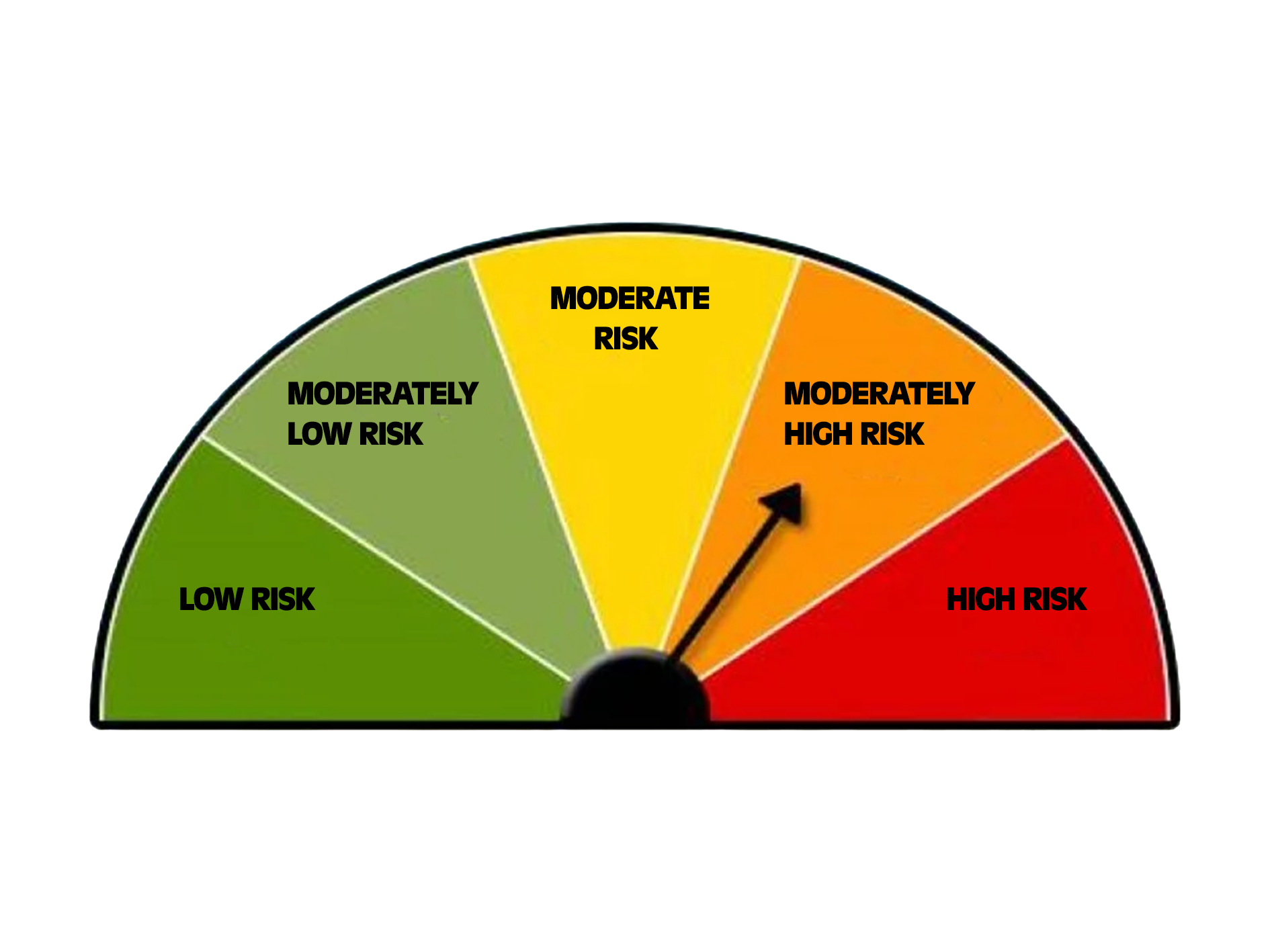
Introduction
Credit risk management and credit rating are interrelated components of a sound lending framework, enabling financial institutions to evaluate and mitigate the risk of borrower default. While credit risk management encompasses internal strategies and procedures aimed at minimizing losses from defaults, credit ratings—typically assigned by external agencies—provide an independent evaluation of a borrower’s creditworthiness. Together, these mechanisms support prudent lending decisions and financial system stability.
Credit Risk Management
Definition
Credit risk refers to the possibility of a financial loss resulting from a borrower’s failure to fulfill contractual debt obligations.
Objective
The primary objective of credit risk management is to reduce the probability of default and limit potential financial losses associated with credit exposure.
Key Processes
Credit risk management typically involves the following steps:
- Development of Credit Policy: Formulation of well-defined lending policies encompassing eligibility criteria, credit limits, and repayment terms.
- Credit Application and Assessment: Detailed evaluation of borrowers through financial analysis, credit history examination, and assessment of qualitative factors.
- Credit Decision and Approval: Determination of the sanction terms based on the applicant’s risk profile.
- Ongoing Credit Monitoring: Continuous tracking of the borrower’s financial status and repayment performance.
- Collection and Recovery: Strategic handling of overdue accounts and recovery of funds in case of defaults.
Tools and Techniques
Financial institutions employ various analytical tools, including:
- Credit Scoring Models: Quantitative systems assigning predictive scores based on historical and financial variables.
- Risk Rating Systems: Classification of borrowers into defined risk categories to guide credit decisions.
- Financial Statement Analysis: In-depth review of financial records to ascertain debt servicing capacity.
Credit Rating
Definition
A credit rating is a formal opinion on the creditworthiness of a borrower or an instrument, issued by a specialized credit rating agency.
Purpose
To provide investors and lenders with an objective indication of the likelihood of timely repayment by the borrower.
Major Rating Agencies
Prominent credit rating agencies include;
Moody’s Investors Service,
Standard & Poor’s (S&P),
Credit Rating Information Services of India Limited (CRISIL)
Investment Information and Credit Rating Agency of India Limited (ICRA)
Credit Analysis & Research (CARE)
Onida Individual Credit Rating Agency of India (ONICRA)
Fitch India.
Brickwork Ratings (BWR)
SME RATING AGENCT SMERA
RBI in its circular dated July 10, 2025 permitted banks to also use the ratings of M/s CareEdge Global IFSC Limited for risk weighting their claims on non-resident corporates originating at International Financial Services Centre (IFSC).
Impact of Ratings
Credit ratings influence a borrower’s cost of capital; higher-rated entities generally benefit from lower interest rates due to perceived lower risk.
Limitations
While useful, credit ratings are subject to limitations such as dependence on publicly available data, methodological variations, and lag in reflecting changing credit conditions.
Credit Risk Analysis Parameters
Comprehensive analysis for credit rating involves evaluating:
- Financial risk and leverage
- Corporate governance and management quality
- Risk appetite and tolerance levels
- Cash flow adequacy
- Capital structure robustness
Interrelationship Between Credit Risk Management and Credit Rating
Complementary Roles
Credit risk management and credit rating operate in a mutually reinforcing manner. Internal credit risk practices allow lenders to independently assess risk, while credit ratings provide an external validation that may complement internal assessments.
Influence on Lending Decisions
Financial institutions integrate both internal assessments and external credit ratings when making credit decisions, ensuring a comprehensive evaluation of risk.
Market Signaling
Credit ratings also serve as significant market signals, conveying the financial health of borrowers and influencing market perception and investment behavior.
Conclusion
Credit risk management and credit rating systems are integral to the effective functioning of the credit market. By combining internal controls with independent assessments, financial institutions are better positioned to manage credit exposure, price risk appropriately, and uphold financial stability.
Related Posts: