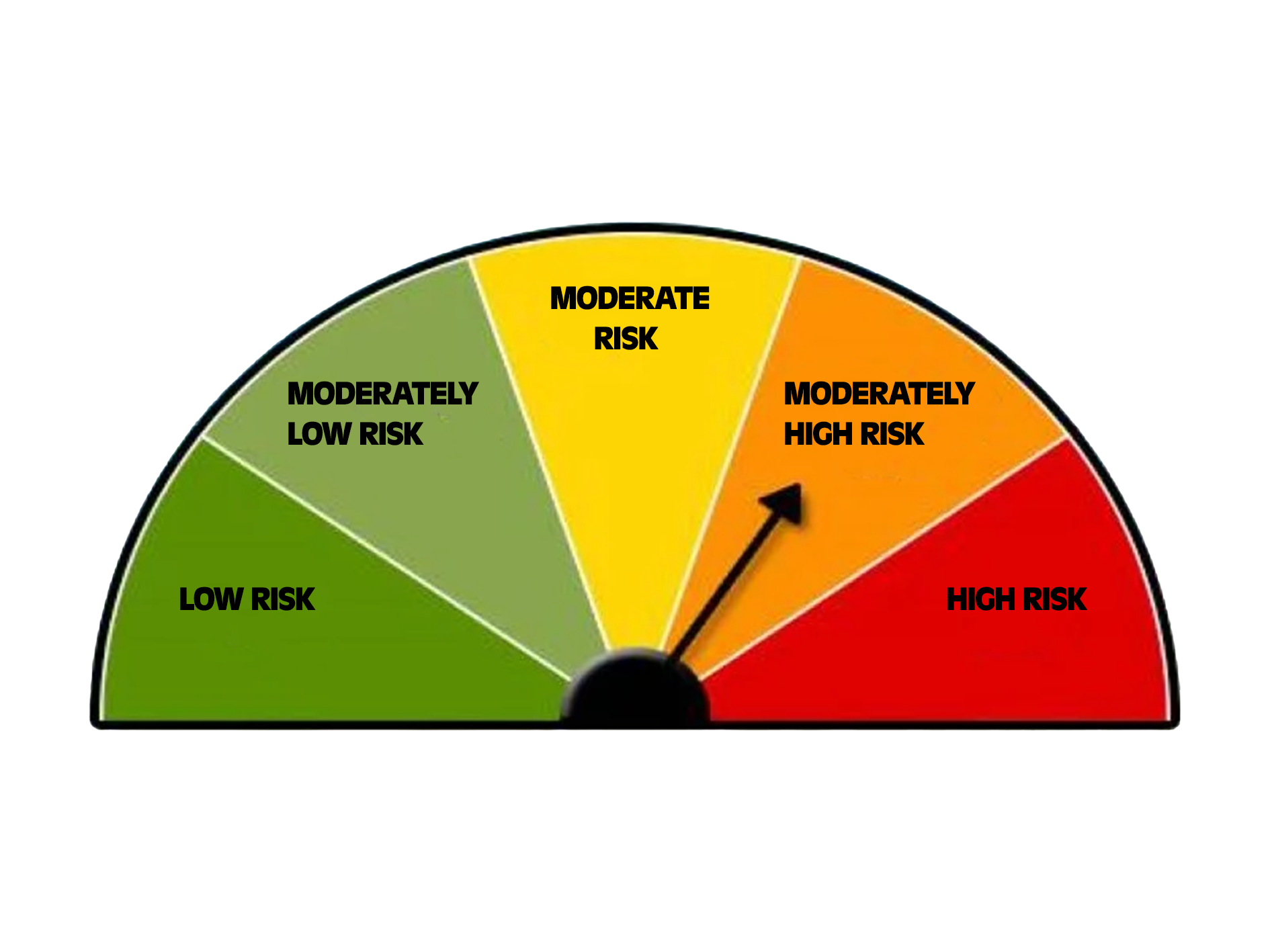
Integrated Risk Management (IRM) is a comprehensive, enterprise-wide methodology that consolidates various risk management efforts into a unified, strategic framework. The primary objective of IRM is to provide a holistic view of risks across the organization, aligning risk management with business goals and fostering informed, proactive decision-making. Unlike traditional siloed approaches, IRM promotes a risk-aware culture in which all employees contribute to the identification, assessment, and management of risks.
Core Principles of the Integrated Risk Management Approach
1. Holistic Risk Visibility
IRM delivers a unified view of all risk types—including strategic, operational, financial, compliance, and reputational risks—across the organization. This comprehensive perspective supports better prioritization and management of risks.
2. Enterprise-Wide Integration
Risk considerations are embedded into all organizational processes, from strategic planning and investment decisions to day-to-day operations, ensuring risk management is a fundamental aspect of every business activity.
3. Proactive Risk Management
IRM emphasizes early identification and mitigation of risks, enabling organizations to anticipate and respond to threats before they escalate into significant issues.
4. Cross-Functional Collaboration
IRM fosters collaboration between departments, breaking down traditional silos. Shared ownership of risk leads to coordinated responses and more effective mitigation strategies.
5. Risk-Aware Culture
A successful IRM approach promotes a culture in which employees at all levels are aware of potential risks and actively engage in managing them. Training, communication, and leadership support are essential for building this culture.
Key Components of an Integrated Risk Management Framework
- Risk Identification
Systematically identifying potential risks across all business units, functions, and processes. - Risk Assessment
Evaluating the likelihood and potential impact of identified risks, using qualitative and quantitative techniques. - Risk Response
Developing appropriate strategies to mitigate, transfer, accept, or avoid risks, and integrating these strategies into operational and strategic plans. - Monitoring and Reporting
Continuously tracking risk exposure, control effectiveness, and mitigation progress. Transparent reporting ensures stakeholders are informed and accountable. - Technology Enablement
Leveraging risk management technologies for automation, real-time risk analytics, dashboarding, and streamlined reporting. This enhances efficiency and improves decision-making capabilities.
Benefits of Integrated Risk Management
- Improved Decision-Making
By offering a comprehensive view of risk, IRM supports better strategic and operational decisions throughout the organization. - Enhanced Operational Efficiency
IRM reduces duplication of risk management efforts, improving process efficiency and resource utilization. - Increased Organizational Resilience
A proactive and integrated approach enhances the organization’s ability to respond to disruptions and adapt to changes in the risk landscape. - Cost Reduction
Timely risk identification and mitigation reduce the frequency and severity of costly incidents and operational losses. - Regulatory Compliance
IRM facilitates adherence to regulatory requirements and industry standards, reducing compliance risks and potential penalties. - Stronger Stakeholder Confidence
Demonstrating robust, enterprise-wide risk management capabilities builds trust among investors, regulators, customers, and partners.
Conclusion
Integrated Risk Management is more than a methodology—it is a strategic imperative. It embeds risk management into the core of organizational operations, ensuring that risk is consistently and effectively managed at every level. Through IRM, organizations can achieve stronger governance, enhanced resilience, and sustained value creation in today’s complex and rapidly evolving business environment.
Related Posts: