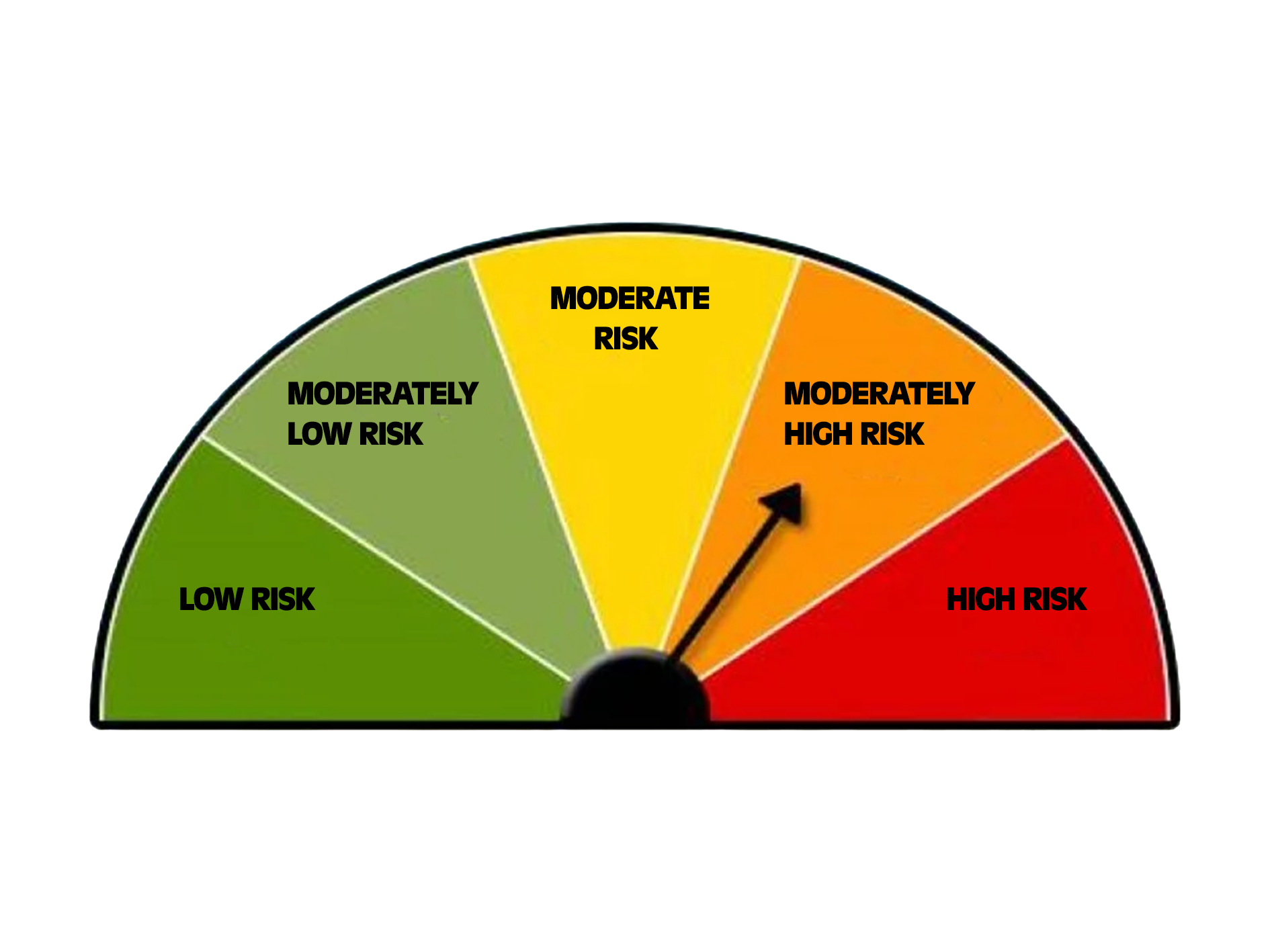
Liquidity risk and interest rate risk are two critical forms of financial risk that financial institutions, particularly banks, must manage to ensure operational continuity and financial stability. Although distinct in nature, these risks are often interconnected, requiring an integrated risk management approach.
Liquidity Risk
Definition
Liquidity risk refers to the potential inability of an institution to meet its short-term financial obligations due to insufficient liquid assets—assets that can be readily converted into cash without significant loss of value.
Causes
- Holding illiquid assets that cannot be quickly sold.
- Sudden or unexpected cash outflows, such as customer withdrawals or emergency expenses.
- Inability to secure funding in the capital markets or from other financial institutions.
Impact
Liquidity shortfalls can lead to:
- Increased borrowing costs due to reliance on expensive, emergency funding.
- Reduced profitability.
- Potential insolvency if obligations cannot be met in a timely manner.
Management Strategies
- Maintaining adequate cash reserves and high-quality liquid assets.
- Diversifying funding sources (e.g., deposits, capital markets, interbank loans).
- Managing the maturity profile of assets and liabilities to avoid funding mismatches.
Interest Rate Risk
Definition
Interest rate risk arises from fluctuations in market interest rates that can adversely affect an institution’s earnings, net interest margin, or the market value of its assets and liabilities.
Causes
- Changes in benchmark interest rates (e.g., central bank policy rates).
- Mismatches in the timing of interest rate adjustments on assets and liabilities.
- Holding fixed-rate assets funded by variable-rate liabilities, or vice versa.
Impact
- Reduced net interest income and profitability.
- Decline in the market value of fixed-income investments.
- Potential financial losses due to adverse interest rate movements.
Management Strategies
- Using hedging instruments such as interest rate swaps or futures.
- Aligning the maturity and re-pricing schedules of assets and liabilities.
- Monitoring and managing the interest rate sensitivity (duration and convexity) of the balance sheet.
Interrelationship Between Liquidity Risk and Interest Rate Risk
Mutual Influence
Changes in interest rates can directly affect liquidity, and vice versa:
- Interest Rate Impact on Liquidity: Rising interest rates can increase the cost of borrowing, thereby straining liquidity for institutions dependent on short-term funding.
- Liquidity Impact on Interest Rate Risk: Liquidity shortages may force an institution to sell long-term assets at unfavorable prices, potentially crystallizing losses and heightening interest rate risk.
Illustrative Example
Banks commonly engage in maturity transformation—borrowing short-term (e.g., deposits) and lending long-term (e.g., loans and mortgages). This creates exposure to:
- Interest Rate Risk: If short-term interest rates rise, the cost of funds increases, but the return on long-term loans may remain fixed.
- Liquidity Risk: If depositors withdraw funds due to rising rates or lack of confidence, the bank may face liquidity pressure, potentially selling assets at a loss.
Integrated Risk Management Approach
Effectively managing liquidity and interest rate risks requires a holistic and coordinated approach, typically implemented through Asset-Liability Management (ALM). Key components include:
- Balancing the maturity and interest rate profiles of assets and liabilities.
- Regularly stress-testing the balance sheet under various interest rate and liquidity scenarios.
- Implementing early warning indicators and contingency funding plans.
Conclusion
Liquidity risk and interest rate risk are central concerns in financial risk management. Although distinct, their interconnected nature necessitates an integrated approach to safeguard profitability, solvency, and stakeholder confidence. Sound Asset-Liability Management practices are essential to mitigate these risks and ensure the long-term financial resilience of institutions.
Liquidity Risk Management Related articles