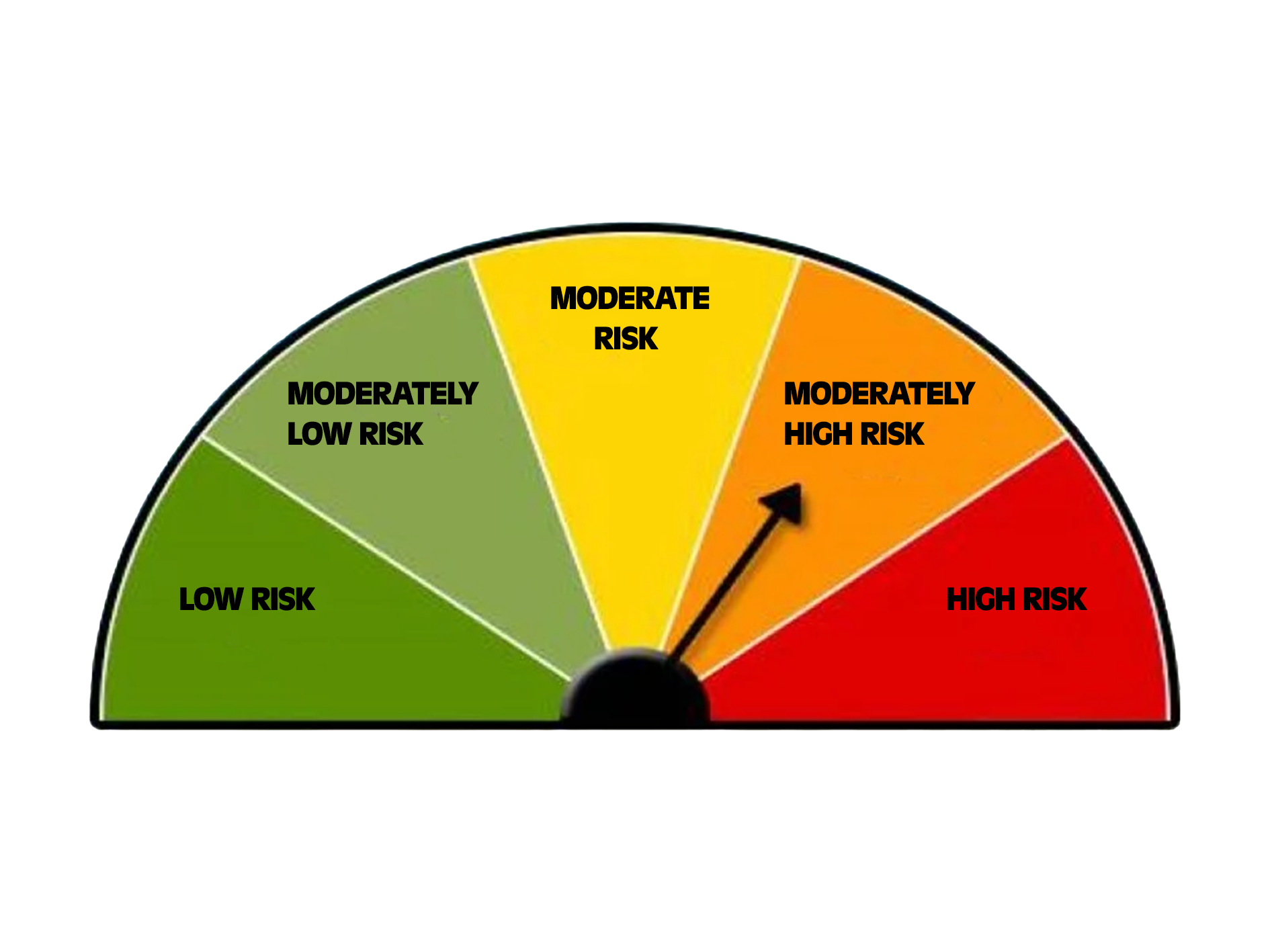
Liquidity risk—the risk that an institution may be unable to meet its financial obligations as they come due—can arise from a wide range of internal and external factors. Understanding the key drivers of liquidity risk is essential for the effective management of liquidity and for safeguarding the financial stability of an organization.
Potential Drivers of Liquidity Risk
- Asset and Liability Mismatches
A mismatch occurs when short-term liabilities (e.g., customer deposits, short-term borrowings) exceed short-term liquid assets (e.g., cash, marketable securities). This imbalance may result in the institution’s inability to fulfill obligations on time, potentially leading to liquidity shortfalls. - Unexpected Cash Outflows
Events such as large-scale deposit withdrawals, margin calls, or unanticipated collateral requirements can create sudden and significant liquidity demands, stressing available cash reserves. - Market Liquidity Risk
In times of market stress or volatility, assets may become difficult to sell without incurring substantial losses. If a firm is forced to liquidate assets in such conditions, it may not raise sufficient cash, thereby intensifying liquidity pressures. - Funding Liquidity Risk
This risk arises when a firm is unable to obtain funding at a reasonable cost, or at all, due to adverse credit market conditions, shifts in investor sentiment, or changes in regulatory requirements. Difficulty in accessing funding can quickly escalate into a broader liquidity crisis. - Contagion and Systemic Risk
In highly interconnected financial systems, the distress or failure of one institution can spread to others. This contagion effect can disrupt funding markets, impair liquidity positions, and trigger widespread market panic. - Operational Failures
Internal failures—such as disruptions in payment systems, settlement errors, or mismanagement of cash flow—can exacerbate liquidity risk by delaying or obstructing the availability of funds when needed. - Regulatory Developments
Sudden changes in regulatory frameworks, including stricter liquidity or capital requirements, can impact a firm’s liquidity planning and necessitate rapid adjustments to comply, often at a cost. - Economic Downturns
Broader macroeconomic conditions, such as recessions or periods of financial instability, can reduce revenues, increase the cost of borrowing, and impair access to liquidity, especially for institutions with weaker financial profiles. - Reputational Risk
Loss of stakeholder confidence—stemming from rumors, adverse media coverage, or financial missteps—can lead to funding withdrawals and reduced access to capital markets, thereby affecting the firm’s liquidity position. - Shifts in Customer Behavior
Sudden changes in customer preferences, such as mass withdrawals or altered investment patterns, can disrupt liquidity planning and force institutions to respond with urgency, often under unfavorable conditions.
Conclusion
Identifying and understanding the diverse drivers of liquidity risk is a foundational element of sound liquidity risk management. By proactively assessing these factors and integrating them into liquidity planning and stress testing, institutions can enhance their resilience, maintain operational stability, and protect against the severe consequences of liquidity shortfalls.
Related Posts