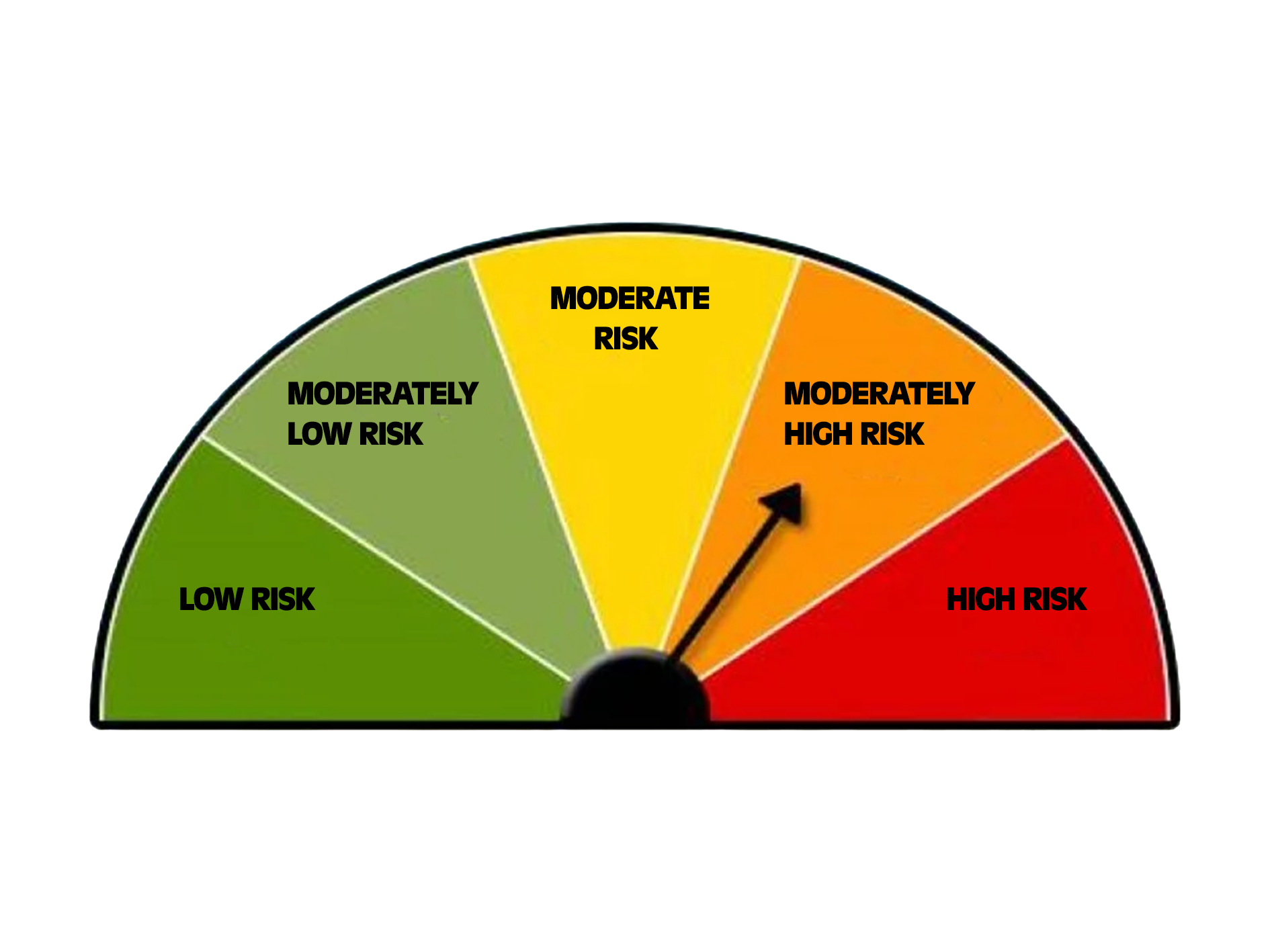
Liquidity Risk Management (LRM) stress testing is a vital component of a bank’s risk management framework. It assesses the institution’s ability to meet its financial obligations under adverse or unexpected conditions. By simulating a range of stress scenarios—both bank-specific and systemic—stress testing helps banks identify liquidity vulnerabilities, prepare effective contingency measures, and maintain financial stability.
Key Aspects of LRM Stress Testing
1. Purpose
The primary objective of liquidity stress testing is to evaluate a bank’s resilience to liquidity shortfalls during times of stress. It ensures the bank can meet its obligations as they fall due, without incurring unacceptable losses or resorting to emergency measures that could compromise its viability or reputation.
2. Stress Scenarios
Stress testing involves the design and application of diverse scenarios, including:
- Idiosyncratic (Bank-Specific) Events:
Scenarios such as a credit rating downgrade, operational disruptions, reputational damage, or legal issues that affect only the bank. - Market-Wide Shocks:
Events such as financial market turmoil, interest rate volatility, economic recession, or systemic funding disruptions that affect the broader banking system. - Combined Scenarios:
Simulations that incorporate both idiosyncratic and market-wide elements to assess the bank’s resilience under compounded stress.
3. Time Horizons
Stress tests are conducted across various timeframes, tailored to the nature of potential risks:
- Short-Term: Intraday to 30-day horizons, focusing on immediate liquidity needs and the ability to meet short-term obligations.
- Medium to Long-Term: 3-month to 12-month horizons, assessing the sustainability of the bank’s funding and liquidity position over time.
4. Impact Assessment
Stress testing evaluates the effects of adverse scenarios on:
- Cash Flows: Projected inflows and outflows under stress.
- Liquidity Buffers: Adequacy of High-Quality Liquid Assets (HQLA) to meet expected net cash outflows.
- Funding Needs: Availability and cost of funding sources under stress.
- Liquidity Ratios: Impact on key ratios such as the Liquidity Coverage Ratio (LCR) and Net Stable Funding Ratio (NSFR).
5. Contingency Planning
The outcomes of stress tests inform and enhance the bank’s Contingency Funding Plan (CFP). This plan outlines actionable strategies to address liquidity shortfalls, including backup funding options, asset sales, and access to central bank facilities.
6. Risk Appetite and Limit Setting
Stress testing helps banks define their liquidity risk appetite and establish tolerance thresholds. It ensures that current exposures and funding strategies remain within acceptable risk boundaries, even under stressed conditions.
7. Regulatory Requirements
Stress testing is mandated under global regulatory frameworks such as Basel III, and local supervisory authorities may also conduct their own system-wide stress tests. Banks are required to report results and demonstrate the robustness of their LRM practices.
8. Integration with Risk Management Framework
Stress test findings are integrated into the bank’s overall risk management strategy. They support informed decision-making in areas such as capital allocation, funding strategies, asset-liability management (ALM), and strategic planning.
9. Regular Review and Updating
To remain relevant, stress testing methodologies, assumptions, and scenarios are subject to regular review. Banks must adjust them in response to:
- Changes in the macroeconomic environment.
- Evolving market conditions.
- Modifications to the bank’s balance sheet or business model.
- Emerging risks and regulatory expectations.
Conclusion
Liquidity stress testing is an indispensable tool for anticipating and managing liquidity risk in banks. By simulating adverse conditions and evaluating potential impacts, stress testing supports proactive liquidity management, effective contingency planning, and compliance with regulatory standards. Ultimately, it enhances the institution’s resilience, promotes stakeholder confidence, and contributes to the stability of the broader financial system.
Related Posts