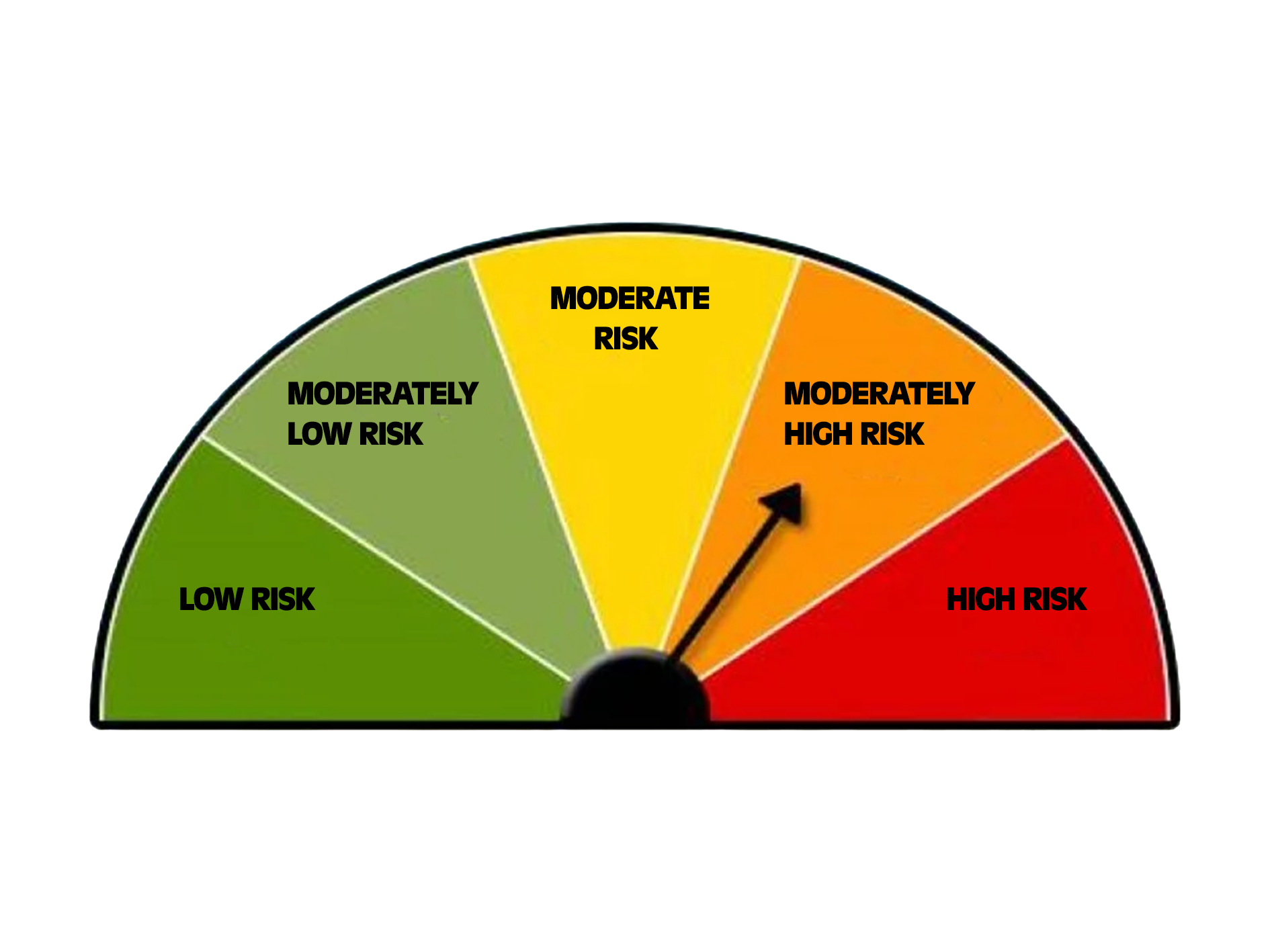
Liquidity risk is a critical area of concern for banks and financial institutions, as it directly affects their ability to meet financial obligations in a timely manner. Effective liquidity risk management involves identifying, monitoring, and mitigating the different types of liquidity risk that can threaten financial stability. Banks primarily encounter two key forms of liquidity risk—funding liquidity risk and market liquidity risk—both of which are interrelated and can amplify each other during times of stress.
1. Funding Liquidity Risk
Definition:
Funding liquidity risk refers to the risk that a bank is unable to meet its payment obligations—both expected and unexpected—due to insufficient cash or readily marketable assets.
Examples:
- Deposit Withdrawals: A sudden and large-scale withdrawal of customer deposits can rapidly deplete a bank’s available cash reserves.
- Loan Defaults: A high incidence of borrower defaults may reduce anticipated cash inflows, impairing liquidity.
- Maturity Mismatches: When short-term liabilities mature before the corresponding assets (e.g., long-term loans), the bank may face funding shortfalls.
- Increased Collateral Requirements: In adverse market conditions, banks may be required to post additional collateral to secure funding, straining liquidity resources.
Impact:
Failure to manage funding liquidity risk can result in a bank’s inability to fulfill its obligations, potentially triggering financial distress, regulatory intervention, or even institutional failure.
2. Market Liquidity Risk
Definition:
Market liquidity risk arises when a bank is unable to sell assets quickly at their fair market value due to a lack of market depth, buyer interest, or market disruptions.
Examples:
- Illiquid Assets: Certain assets, such as specialized real estate or complex financial instruments, may be difficult to liquidate quickly without incurring substantial losses.
- Market Disruptions: Financial crises, economic shocks, or systemic panic can reduce market activity, widen bid-ask spreads, and impair the ability to sell assets at reasonable prices.
- Concentrated Asset Positions: Holding large positions in specific illiquid assets can make it difficult to divest without adversely affecting market prices.
Impact:
When faced with market liquidity risk, banks may be forced to sell assets at discounted prices, potentially incurring losses and weakening their financial position.
Interconnection Between Funding and Market Liquidity Risk
Funding and market liquidity risks are closely interconnected. For example, a funding shortfall caused by sudden deposit outflows may compel a bank to liquidate assets rapidly. If market conditions are unfavorable, the bank may face market liquidity risk, resulting in losses from asset sales. This feedback loop can intensify financial stress and compromise the bank’s solvency.
Additional Considerations
- Central Bank Liquidity Risk:
While central banks have the capacity to create money, they can still face liquidity management challenges, particularly in managing foreign reserves or supporting financial system stability during crises. - Operational Liquidity Risk:
This type of risk arises from internal operational issues—such as delays in cash flow management, errors in payment processing, or technology failures—that prevent the bank from accessing or deploying liquidity efficiently.
Conclusion
Understanding and managing both funding and market liquidity risks is essential for preserving a bank’s financial health and stability. A comprehensive liquidity risk management framework should address these risks in an integrated manner, ensuring that institutions remain resilient under both normal and stressed market conditions. Proactive planning, robust monitoring, and adequate liquidity buffers are key to minimizing the adverse impacts of liquidity risk and sustaining market confidence.
Related Posts