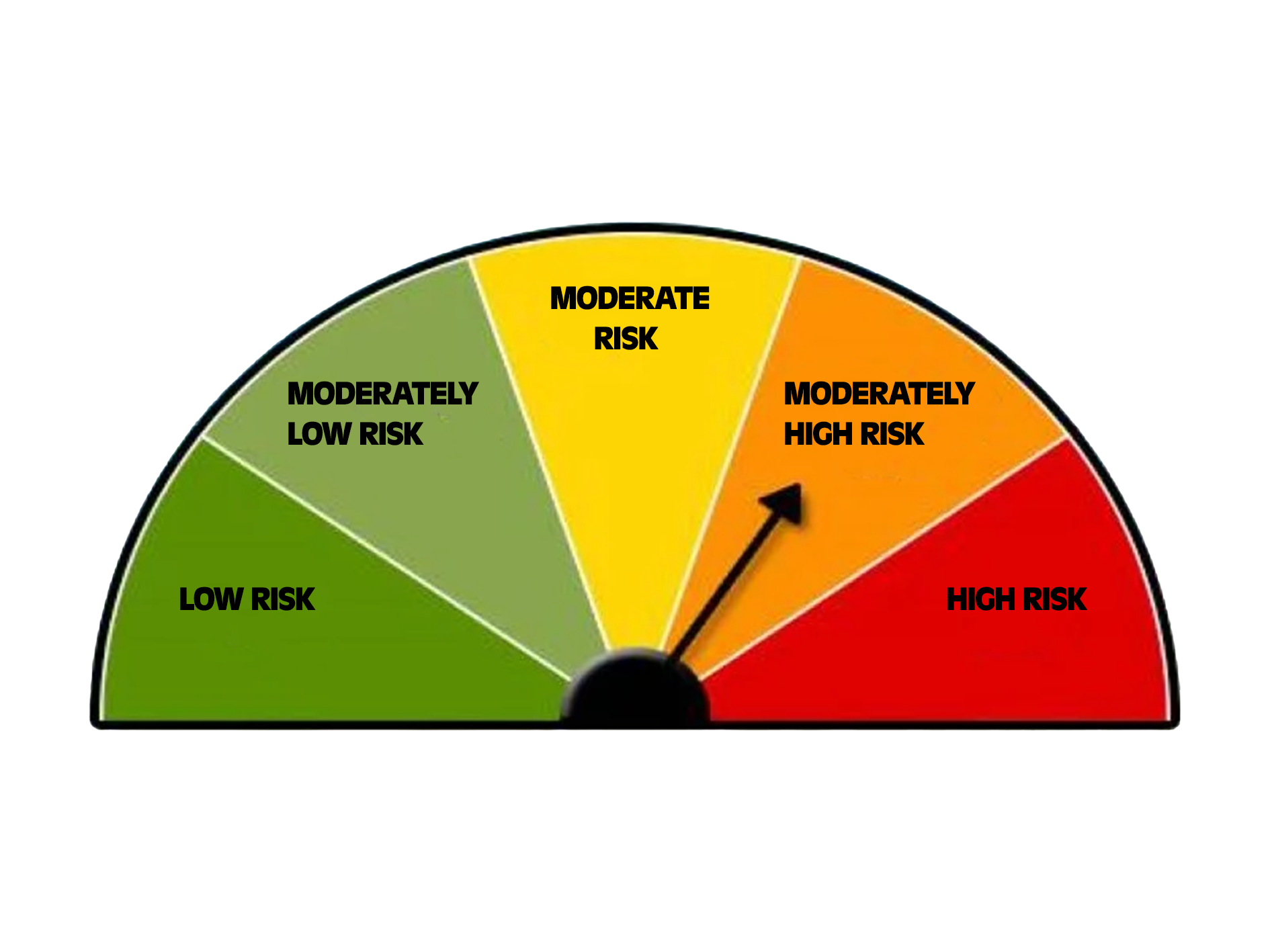
Operational Risk Management (ORM)
Definition:
Operational Risk Management (ORM) is the structured process of identifying, assessing, and mitigating risks that may disrupt an organization’s routine operations.
Focus:
ORM concentrates specifically on risks originating from internal processes, human errors, system failures, and other operational activities.
Goal:
The primary objectives of ORM are to protect value creation, uphold stakeholder confidence, and prevent financial and reputational losses resulting from operational disruptions.
Examples of Operational Risks:
- System failures
- Human error
- Natural disasters
- Regulatory non-compliance
- Vendor or third-party failures
Key Components of ORM:
- Governance and oversight
- Risk identification and assessment
- Control environment
- Monitoring and reporting mechanisms
- Risk-informed decision-making
Integrated Risk Management (IRM)
Definition:
Integrated Risk Management (IRM) is a strategic, enterprise-wide approach to managing risk, incorporating all risk categories and recognizing their interdependencies.
Focus:
IRM expands beyond operational risks to include strategic, financial, compliance, reputational, and other risk types, offering a unified and comprehensive risk perspective.
Goal:
IRM aims to support informed decision-making, enhance organizational resilience, and align risk management efforts with the achievement of strategic objectives.
Key Components of IRM:
- Enterprise-wide risk strategy
- Comprehensive risk assessments
- Risk response planning
- Communication and risk reporting
- Continuous monitoring
- Implementation of integrated risk management software and tools
Benefits of IRM:
- Holistic understanding of organizational risks
- Improved risk prioritization
- Enhanced capacity to anticipate and respond to emerging threats
Relationship Between ORM and IRM
Operational Risk Management (ORM) is a vital subset within the broader Integrated Risk Management (IRM) framework. While ORM addresses specific operational vulnerabilities, IRM encompasses these along with other risk domains to ensure a unified approach.
IRM builds upon the foundations laid by ORM by aligning it with strategic and enterprise-level risk initiatives. An effective IRM strategy typically incorporates ORM practices to strengthen operational risk oversight and improve the organization’s overall risk posture.
Conclusion:
IRM serves as the overarching framework for managing risk across the enterprise, while ORM provides the focused methodologies necessary to address operational risks. Together, they form a comprehensive and resilient risk management structure.
Related Posts: