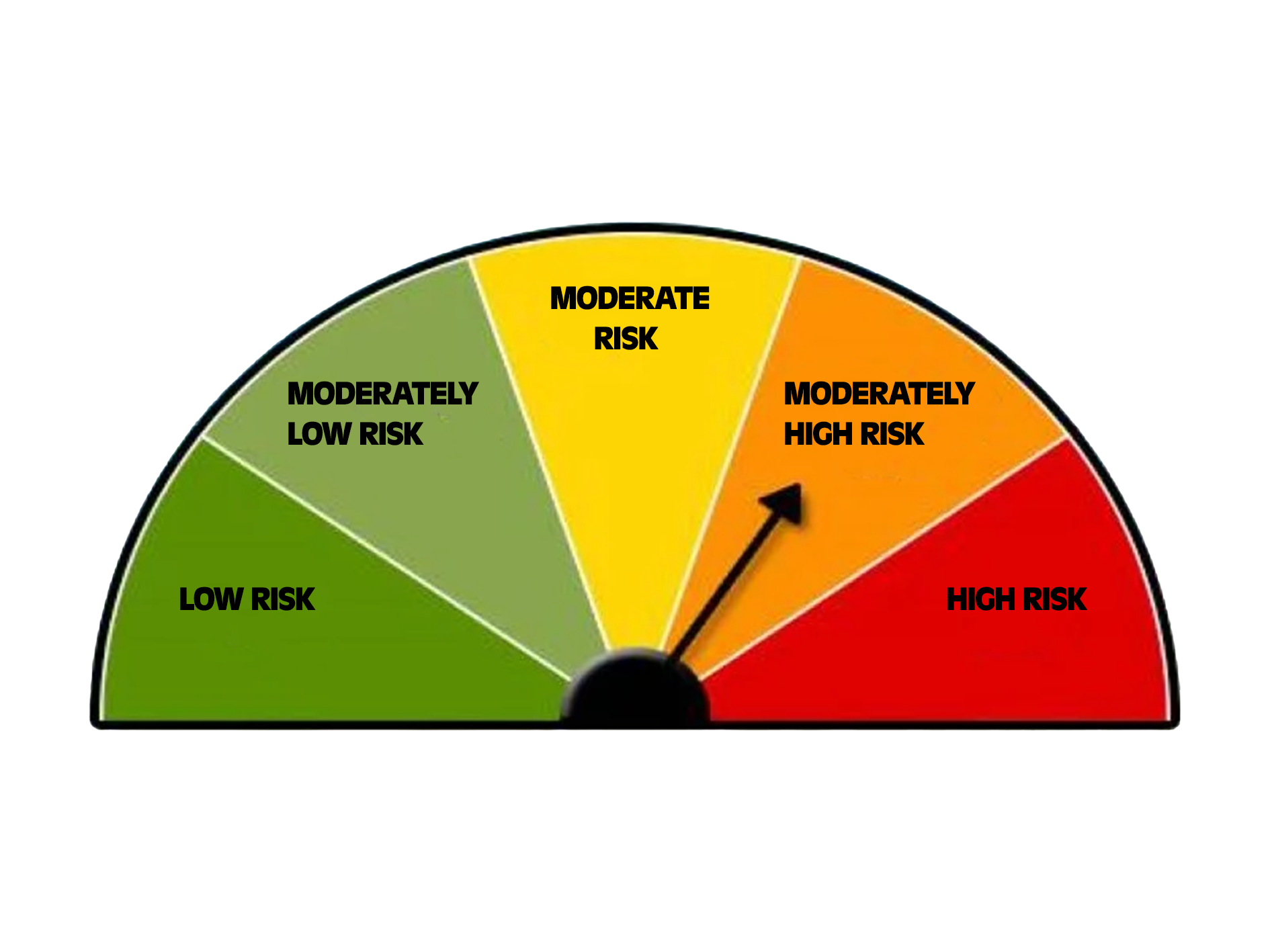
Operational Risk Management (ORM) refers to a structured and systematic approach for identifying, assessing, mitigating, and monitoring risks that arise from an organization’s daily operations. These risks may originate from internal factors—such as failed processes, human errors, or system malfunctions—or external events including natural disasters or cyberattacks. The primary objective of ORM is to safeguard organizational value by minimizing potential disruptions and losses.
Key Components of Operational Risk Management
1. Risk Identification
This involves recognizing potential operational risks related to internal processes, personnel, systems, and external factors. Accurate identification is the foundation of effective risk management.
2. Risk Assessment
After identifying risks, organizations assess the likelihood of occurrence and the potential impact of each risk. This step helps prioritize risks and allocate resources appropriately.
3. Risk Mitigation
Risk mitigation involves designing and implementing controls, procedures, or systems aimed at reducing the likelihood or impact of identified risks. This may include process improvements, staff training, or technological upgrades.
4. Monitoring and Reporting
ORM requires continuous monitoring of risk indicators and mitigation strategies to ensure their effectiveness. Regular reporting helps in tracking trends, emerging risks, and ensuring accountability.
Common Examples of Operational Risks
- Human Error: Mistakes made by employees during routine operations, such as data entry errors or incorrect decision-making.
- System Failures: Breakdowns in IT infrastructure or software systems that disrupt business operations or compromise data security.
- Process Failures: Inefficiencies or flaws in internal procedures that create vulnerabilities or operational bottlenecks.
- External Events: Natural disasters, pandemics, cyberattacks, or geopolitical disruptions that impact business continuity.
- Fraud: Deliberate acts of deception, such as embezzlement or falsification of records, leading to financial or reputational loss.
- Workplace Safety: Risks concerning employee health, safety, and well-being, including accidents or non-compliance with safety regulations.
Importance of Operational Risk Management
- Protecting Organizational Value: ORM helps safeguard assets, reputation, and financial stability by minimizing the likelihood and impact of operational failures.
- Ensuring Business Continuity: Proactive risk management ensures that critical operations can continue effectively even during adverse events or disruptions.
- Regulatory Compliance: ORM is essential for meeting regulatory requirements in many industries, particularly in financial services, healthcare, and manufacturing.
- Enhancing Operational Efficiency: By identifying and addressing process inefficiencies and vulnerabilities, ORM contributes to improved performance and resource utilization.
Conclusion
Operational Risk Management is integral to the long-term success and resilience of any organization. Through systematic risk identification, assessment, mitigation, and monitoring, ORM helps organizations navigate uncertainties, maintain compliance, and achieve sustainable operational excellence.
Related Posts: