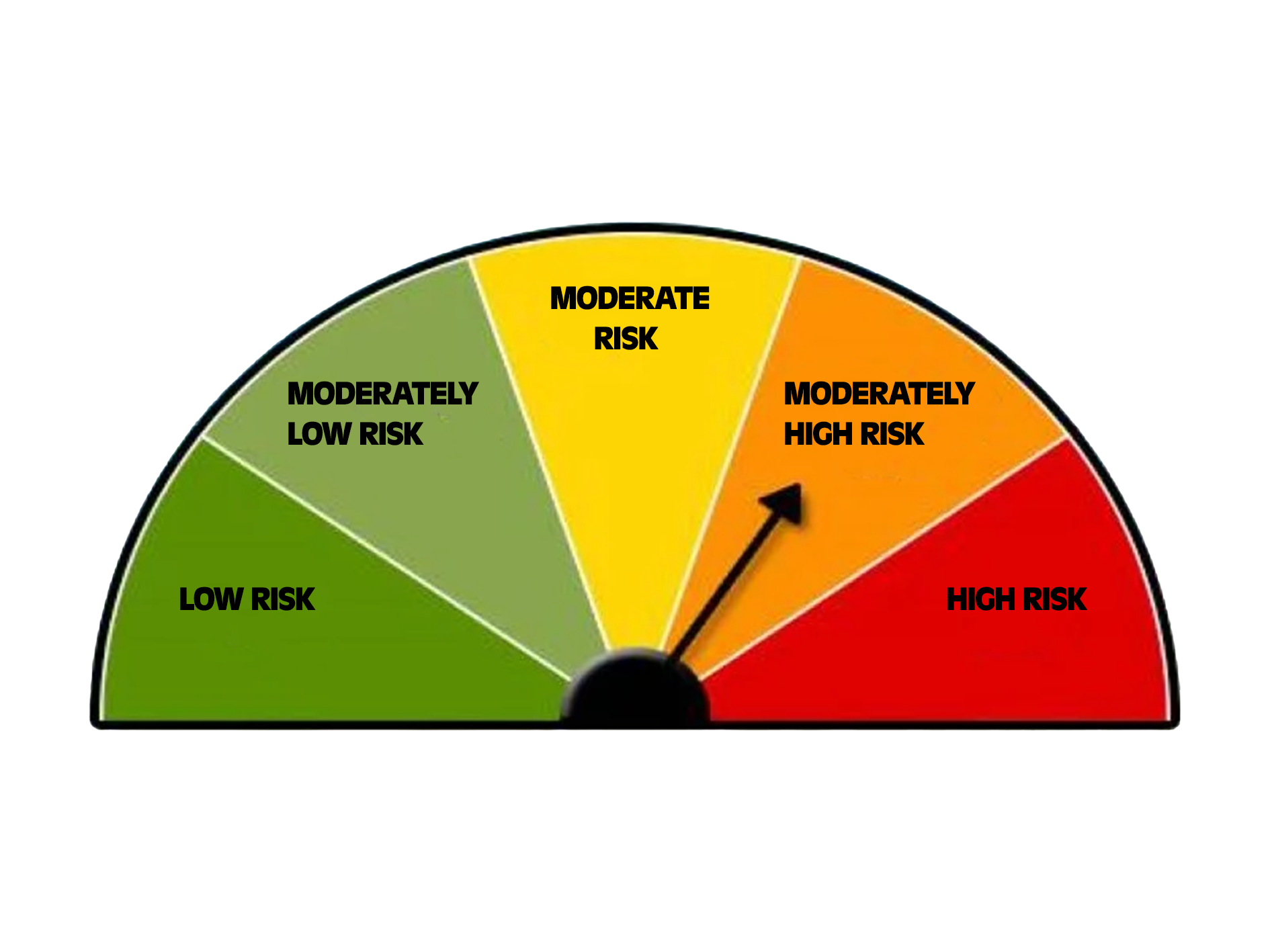
Operational Risk Qualification and Risk Mitigation are essential components of Operational Risk Management (ORM), which seeks to minimize disruptions to business operations and safeguard an organization’s assets, reputation, and financial stability. Qualification focuses on the identification and assessment of risks, while mitigation involves implementing strategies to reduce the likelihood or impact of those risks.
1. Operational Risk Qualification
Risk Identification
This initial step involves systematically identifying potential risks that could disrupt daily operations. Risks can arise from internal sources—such as inadequate processes, human errors, or system failures—or external sources, including natural disasters, regulatory changes, and cyberattacks.
Historical Perspective:
Traditionally, banks relied heavily on internal control mechanisms within business lines, supported by periodic audits, to manage operational risk. However, recent high-profile losses have demonstrated that internal controls alone are insufficient. Dedicated structures and targeted risk management processes are now recognized as essential.
Common Categories of Control Breakdowns
- Lack of Control Culture:
- Weak management attention to risk control.
- Absence of clear accountability and guidance.
- Inadequate Risk Recognition and Assessment:
- Failure to assess risks in certain banking activities or new products.
- Lack of updates to risk assessments amidst changing conditions.
- Absence/Failure of Key Controls:
- Deficiencies in segregation of duties, approvals, verifications, reconciliations, and performance reviews.
- Ineffective Communication:
- Poor communication of critical risk information across management levels and departments.
- Inadequate Audit and Monitoring Programs:
- Failure to detect emerging risks or weaknesses in internal control systems due to ineffective oversight.
Risk Assessment
Following identification, risks are evaluated based on:
- Likelihood of occurrence
- Potential impact on operations, finances, and reputation
This assessment helps prioritize risks, enabling management to focus resources on addressing the most significant threats.
2. Operational Risk Mitigation
Risk Mitigation Strategies
Mitigation strategies aim to reduce either the probability or impact of risks. Common approaches include:
- Risk Transfer:
Shifting the risk to another party through mechanisms such as insurance or outsourcing. - Risk Avoidance:
Choosing not to undertake activities that present unacceptable risk levels. - Risk Acceptance:
Acknowledging the risk and accepting its consequences, typically when mitigation costs exceed potential losses. - Risk Mitigation (Reduction):
Implementing control measures, such as improved processes, technology upgrades, and staff training, to minimize risk exposure.
Implementation of Mitigation Strategies
Selected strategies must be operationalized through:
- Development of new procedures and controls
- Investment in technology or infrastructure
- Employee training and awareness programs
3. Monitoring and Review
Risk mitigation efforts must be subject to continuous monitoring and periodic review to ensure controls remain effective in a changing environment. Key elements include:
- Monitoring key risk indicators (KRIs)
- Assessing the effectiveness of mitigation measures
- Identifying emerging risks and updating risk assessments
- Reporting risk status to senior management and relevant stakeholders
4. Example: Operational Risk in a Technology Company
Scenario: A software company uses a cloud-based platform for data storage and application hosting.
Qualification:
- Identified Risk: Cloud service outage (external event)
- Assessment: Potential impacts include customer data loss, delayed product releases, and reputational damage.
Mitigation:
- Transfer: Purchase of cloud outage insurance.
- Reduction: Implementation of robust data backup and recovery procedures; diversification of cloud service providers.
5. Key Principles of Operational Risk Management
- Risk Awareness: Cultivating a risk-aware culture across all levels of the organization.
- Continuous Improvement: Regularly reviewing and enhancing risk management practices.
- Proactive Management: Anticipating potential risks and addressing them before they materialize.
- Appropriate Decision-Making: Ensuring risk decisions are made by qualified personnel with relevant authority.
Conclusion
Operational Risk Qualification and Mitigation are vital to maintaining organizational resilience and achieving long-term success. By systematically identifying and assessing risks and implementing targeted mitigation strategies, organizations can safeguard operations, ensure compliance, and maintain stakeholder confidence in an increasingly complex risk environment.
Related Posts: