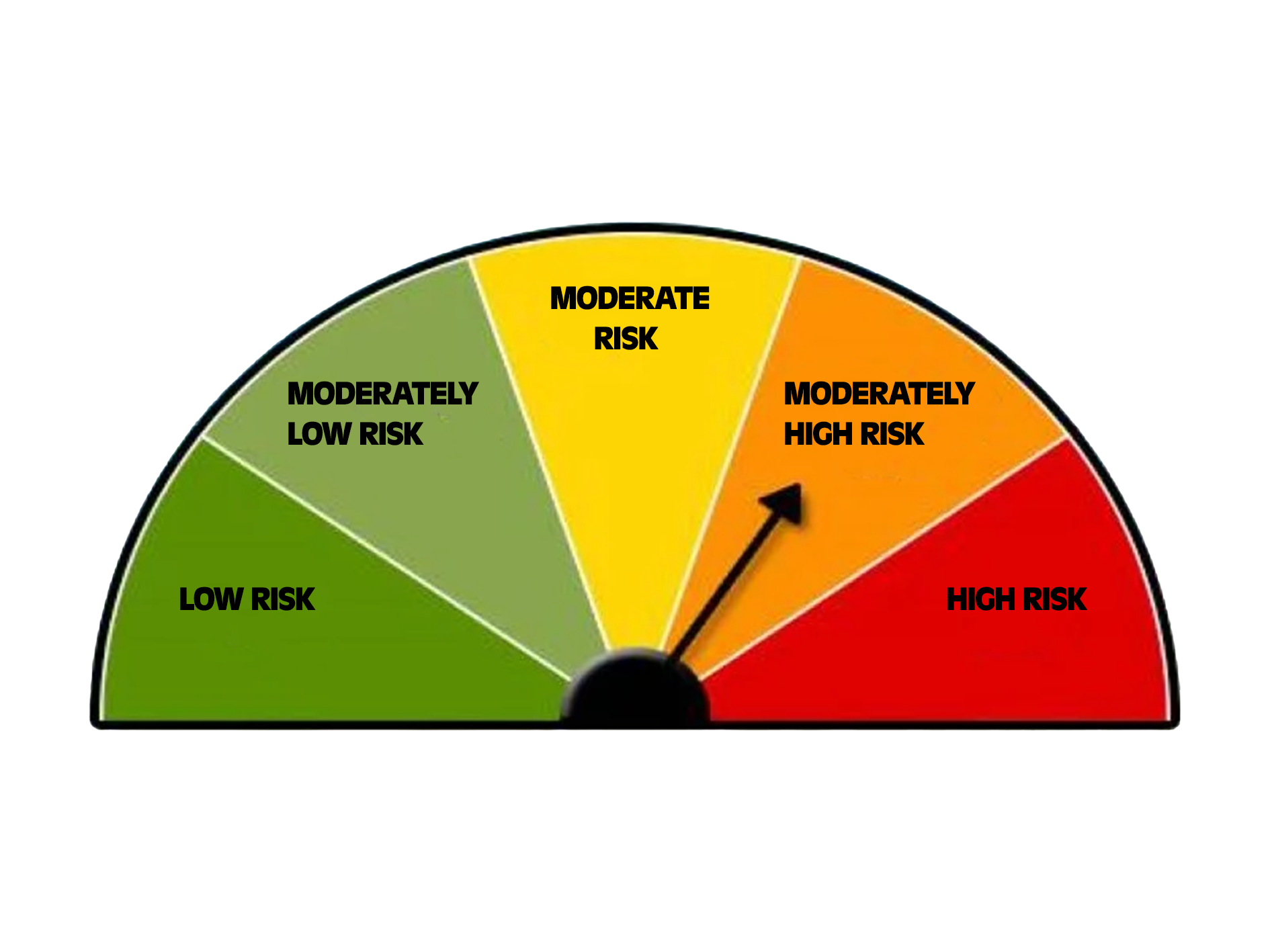
Operational risk scenario analysis is a structured technique used to identify, assess, and mitigate potential losses arising from failures in internal processes, systems, personnel, or external events. It involves simulating plausible but severe events to evaluate their potential impact on an organization’s operations and to develop strategies to either prevent these events or minimize their consequences. This methodology is especially critical for financial institutions that follow the Advanced Measurement Approach (AMA) for calculating operational risk capital under regulatory frameworks such as Basel II.
Key Components of Operational Risk Scenario Analysis
1. Identification of Scenarios
This involves brainstorming and identifying a wide range of potential disruptive events that could affect business operations. Scenarios typically include both internal factors—such as human error, fraud, or system malfunctions—and external factors—such as cyberattacks, natural disasters, regulatory changes, or economic downturns.
2. Assessment of Impact and Likelihood
Each identified scenario is evaluated based on two key parameters:
- Impact (Severity): The potential financial and operational consequences if the event were to occur.
- Likelihood (Frequency): The estimated probability of the scenario occurring within a defined timeframe.
This assessment often involves both quantitative data (historical loss data, expert estimates) and qualitative judgment.
3. Development of Mitigation Strategies
Based on the assessed scenarios, organizations develop specific action plans aimed at reducing the likelihood of occurrence or minimizing the impact. This can include process improvements, enhanced controls, contingency planning, staff training, and technological upgrades.
4. Continuous Monitoring and Improvement
Scenario analysis is not a one-time exercise. It requires periodic review and updating to reflect new information, changes in the operating environment, past incidents, and emerging risks. Feedback loops from actual loss events and near misses are critical for refining scenario assumptions and response strategies.
Importance of Scenario Analysis
- Enhanced Risk Management: Enables proactive identification and mitigation of potential risks, reducing exposure to significant losses.
- Informed Decision-Making: Provides management with insights into the possible outcomes of extreme but plausible events, supporting strategic and operational decisions.
- Improved Resilience: Strengthens an organization’s ability to withstand, respond to, and recover from disruptive events, thereby safeguarding business continuity.
- Regulatory Compliance: Required under regulatory standards such as Basel II/III for institutions using AMA, and increasingly emphasized in risk governance frameworks worldwide.
Example Scenario
A bank may conduct scenario analysis to evaluate the potential consequences of a major cyberattack targeting its online banking infrastructure. The scenario would simulate the attack’s impact, including possible data breaches, prolonged system outages, customer dissatisfaction, reputational damage, and financial losses. Based on this analysis, the bank would implement enhanced cybersecurity measures, strengthen incident response plans, and allocate capital reserves to cover potential losses.
Related Posts: