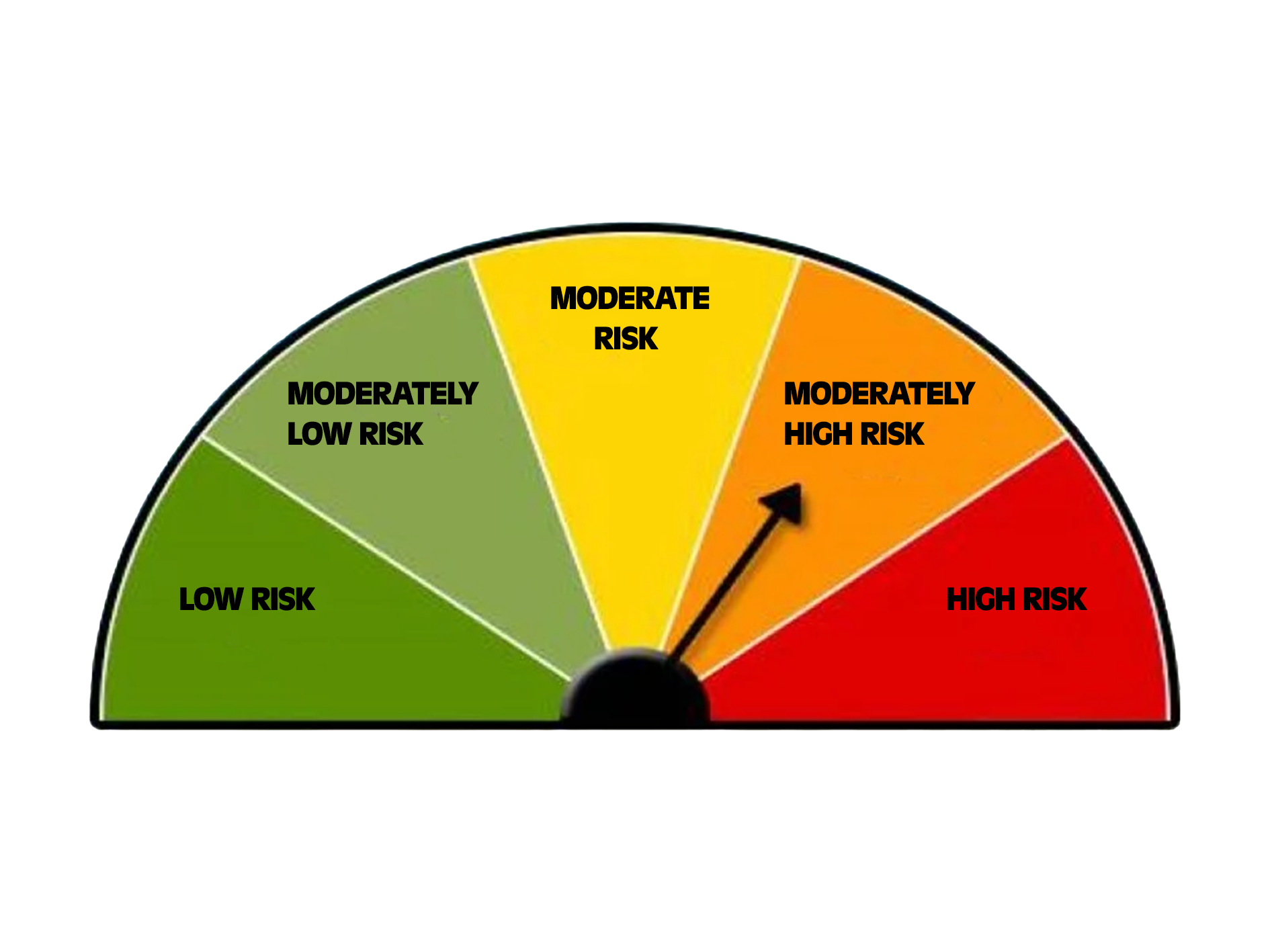
Risk-Adjusted Return on Capital (RAROC) is a risk-based profitability measurement framework that evaluates financial performance on a risk-adjusted basis. It provides a consistent metric to assess profitability across different business lines and asset classes, enabling better capital allocation and pricing decisions.
RBI Guidelines on Asset Acquisition and Pricing
As per the Reserve Bank of India (RBI) guidelines, banks should employ a pricing mechanism that integrates risk considerations along with limits based on product type, geography, industry, and tenor. For instance, if a bank determines that construction loans for commercial complexes are unattractive from a portfolio risk perspective, it may increase the pricing of such loans to discourage borrowers. This reflects the principle of marginal cost pricing, where the pricing of a loan should compensate the institution for its marginal cost assessed on a risk-adjusted basis.
However, marginal cost pricing may not always be practical. A bank with idle capacity or underutilized capital might accept loans with minimal positive spreads, provided the associated risk is within acceptable limits. Even in such scenarios, banks must ensure that pricing adequately reflects the cost of risk and capital.
Challenges in Cost Allocation and Risk Differentiation
Banks often engage in unprofitable lending when they lack clarity in cost allocation or cannot accurately differentiate risks. Without precise cost allocation, a bank may fail to distinguish between low-cost lending to well-documented borrowers and high-cost lending that requires extensive credit analysis and monitoring.
Furthermore, if a bank uses a coarse risk rating system (e.g., only four grades), it becomes difficult to appropriately price loans according to risk. In contrast, a more granular risk rating system (e.g., 15 grades) enables better risk differentiation and more accurate pricing.
Pricing Strategies and Market Realities
A cost-plus-profit pricing strategy may be effective in the short term but is unsustainable in the long run. Borrowers may seek alternatives if they perceive pricing as excessive. Such pricing may remain viable if the bank competes on service offerings rather than solely on price. The challenges intensify in markets where the bank is a price taker rather than a price leader.
Pricing decisions typically consider several factors, including the borrower’s risk rating, tenor of the loan, collateral, guarantees, historical loan loss rates, and covenants. A capital charge is applied based on a predefined hurdle rate and capital ratio, allowing the bank to compute an appropriate lending rate for each customer rating.
Limitations of the Simplified Credit Pricing Model
This relatively simple approach to credit pricing is effective if assumptions about the borrower’s creditworthiness are accurate. However, it has significant drawbacks:
1. Limited Consideration of Risk: Only expected losses are tied to the borrower’s credit quality. Capital charges based on the volatility of losses may be insufficient. In case of default, the loss must be recovered from income earned on non-defaulting loans.
2. Binary Risk Assumption: The model assumes only two outcomes—default or no default—and does not account for changes in the borrower’s financial condition, which could impact the credit risk premium or discount. These dynamics matter particularly when loans can be repriced or sold before maturity.
Capital Allocation Approaches in Banking
Banks have long faced challenges in allocating capital in ways that reflect the underlying risks of various business activities. The complexity arises from differing product characteristics, such as loan commitments, revolving credit lines, and the distinction between secured and unsecured lending. Key approaches include:
1. Asset Size-Based Allocation: Capital is allocated proportionally to the size of a business unit’s portfolio. While larger portfolios may have higher losses, this approach assumes uniform risk across all assets and compels the unit to utilize all allocated capital.
2. Regulatory Capital-Based Allocation: Here, regulatory capital is used as the measure of capital to be allocated. However, regulatory capital may not align with the actual economic risk. For example, a loan to a AAA-rated borrower requires the same regulatory capital per unit as a loan to a small business, despite differing risk profiles.
3. Unexpected Loss-Based Allocation: This method uses the standard deviation of annual losses in a sub-portfolio as a proxy for capital allocation. However, it overlooks default correlations across sub-portfolios. A sub-portfolio’s volatility might actually reduce the overall risk of the bank’s portfolio. Consequently, pricing decisions based solely on sub-portfolio volatility may lead to cross-subsidization, where one business unit effectively subsidizes another.
Conclusion
RAROC serves as a vital tool for profit planning and capital allocation by aligning pricing and capital decisions with underlying risks. However, its effectiveness depends on accurate risk assessment, sound cost allocation, and appropriate capital allocation methodologies. Banks must continuously refine these processes to ensure long-term profitability and risk resilience.
Related Posts: