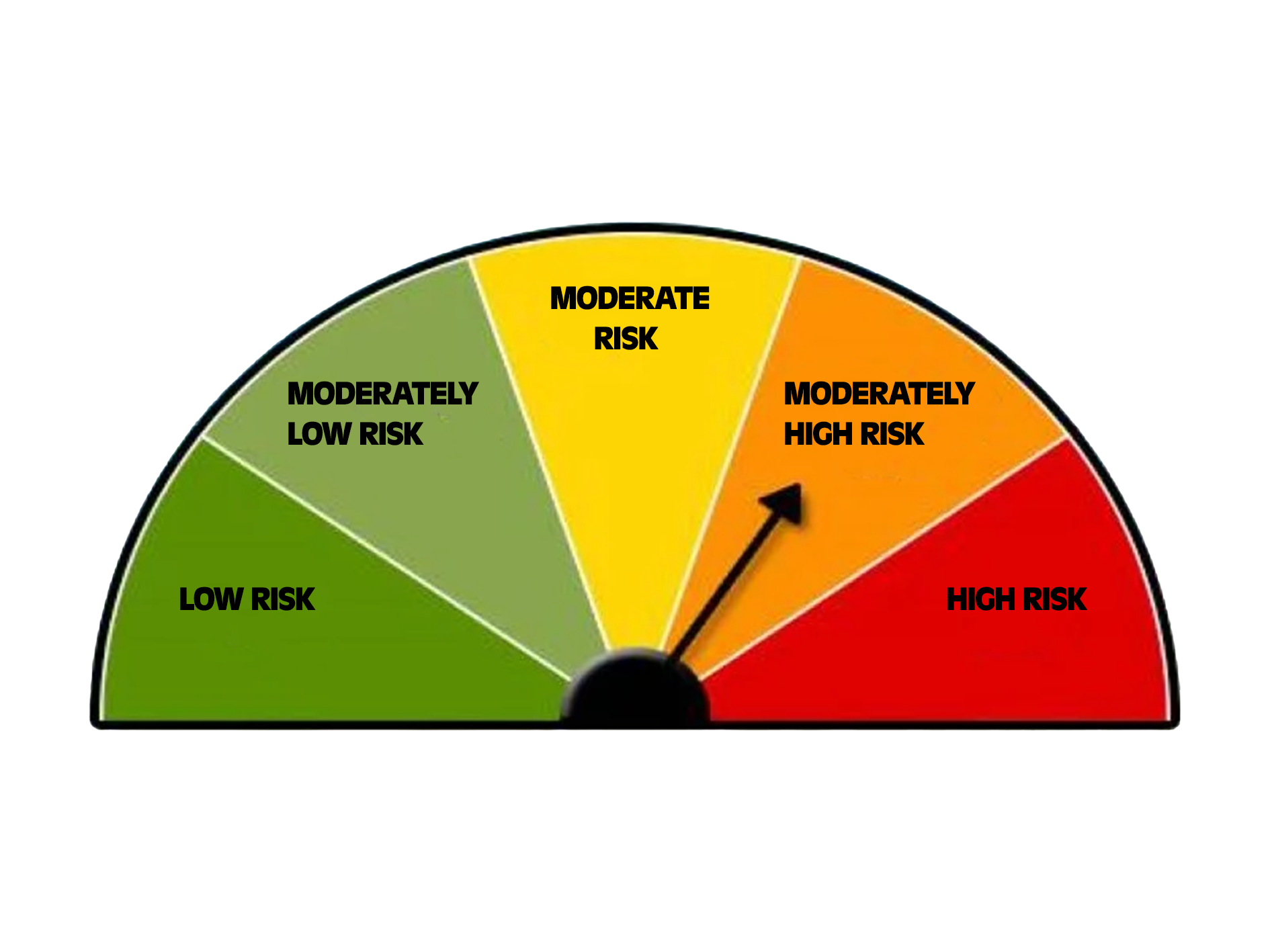
Banks and other regulated financial entities in India are required to adhere to comprehensive reporting obligations concerning internal controls, particularly in the areas of fraud detection, internal audit mechanisms, and compliance with regulatory guidelines issued by the Reserve Bank of India (RBI). These requirements are essential for ensuring systemic stability, operational resilience, and effective supervisory oversight.
1. Fraud Reporting Obligations
a. Thresholds for Fraud Reporting
Banks must report all instances of fraud involving misrepresentation, breach of trust, manipulation of records, or similar irregularities where the amount involved exceeds ₹1 lakh. This reporting obligation is critical for early detection and supervisory response.
b. Reporting of Attempted Frauds
In addition to actual frauds, attempted frauds where the potential loss is ₹25 lakh or more must also be reported. Such reporting helps regulators assess the effectiveness of internal controls and fraud prevention measures.
c. Format and Content of Reports
Fraud reports must be submitted to the RBI in a prescribed format, which includes detailed information such as the nature and modus operandi of the fraud, the financial impact, corrective actions taken, and preventive measures implemented.
d. Reporting Timeline
Reports concerning attempted frauds must be submitted to the RBI within two weeks from the date the bank becomes aware of the incident.
2. Internal Audit and Reporting Structures
a. Internal Audit Framework
Banks are expected to maintain a robust internal audit system. The Head of the Inspection/Audit Department must report directly to the Chairman or Managing Director of the bank, ensuring independence and effective oversight.
b. Audit Staff Requirements
Personnel engaged in internal audit functions must possess the requisite seniority, qualifications, and experience to perform thorough and objective audits.
c. Frequency and Surprise Audits
Branches must undergo internal audits at least once every 12 months. These audits should incorporate a surprise element to enhance their effectiveness and detect any unreported anomalies.
3. Compliance with RBI Regulations
a. Adherence to RBI Guidelines
All banks and financial institutions are required to comply with applicable RBI regulations, including those related to risk-based internal audits, operational resilience, and internal control systems.
b. Reporting on Compliance
Regulated entities must periodically report to the RBI regarding their compliance with these guidelines, particularly in areas concerning internal control mechanisms, audit effectiveness, and risk mitigation.
c. Internal Ombudsman Reporting
Entities are required to furnish the contact details and other relevant information pertaining to their Internal Ombudsman to the RBI, ensuring accessibility and transparency in grievance redressal mechanisms.
4. Additional Reporting Requirements
a. Fraud in Subsidiaries and Affiliates
Banks are also required to report incidents of fraud in their subsidiaries, joint ventures, or affiliates, as per RBI-prescribed norms.
b. Coordination with Investigative Agencies
In cases where central investigative agencies initiate legal proceedings in relation to a fraud, or when the RBI mandates such reporting, banks must promptly report these developments.
c. Overseas Branch Reporting
Banks with overseas branches or offices must report any frauds occurring at these locations following the RBI’s guidelines for international operations.
Conclusion
The RBI’s reporting framework concerning internal controls is central to maintaining the integrity and stability of India’s financial system. Timely, accurate, and comprehensive reporting enables proactive regulatory intervention, fosters transparency, and strengthens the risk management practices of financial institutions.
Related Posts