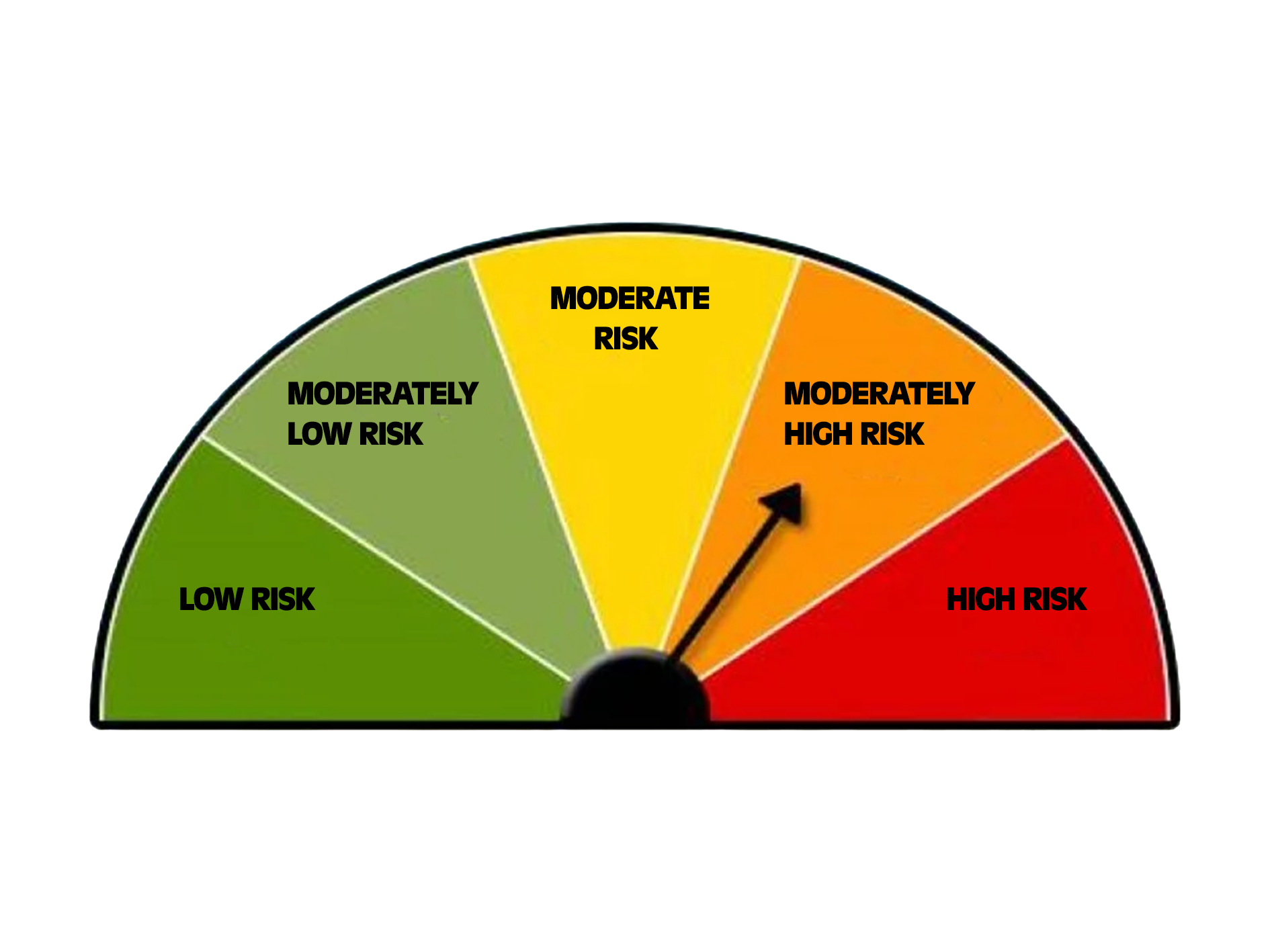
Risk Aggregation: An Overview
Risk aggregation refers to the systematic process of combining various individual risks to assess the total risk exposure of an organization. This process involves identifying and quantifying distinct risk types—such as credit, market, operational, and liquidity risks—and analyzing their interdependencies. The goal is to derive a consolidated risk profile that supports informed decision-making, strategic planning, and effective resource allocation.
Key Aspects of Risk Aggregation
1. Identification and Quantification of Individual Risks
Organizations must first identify the various categories of risk that may affect their operations and quantify each risk using appropriate risk measurement techniques.
2. Assessment of Risk Interdependencies
Risks are rarely independent. The aggregation process accounts for how different risks may interact, potentially amplifying or offsetting each other. This requires an understanding of correlation structures and conditional dependencies.
3. Quantification of Aggregate Risk Exposure
The objective is to compute a unified risk metric that reflects the total exposure. Techniques employed may include correlation analysis, scenario analysis, stress testing, and simulation models.
4. Support for Risk-Informed Decision-Making
Aggregated risk data enables organizations to assess their overall risk appetite, prioritize risk mitigation strategies, and make strategic decisions regarding resource deployment.
Significance of Risk Aggregation
Holistic Risk Perspective
Aggregation provides a comprehensive view of an organization’s risk profile, enabling management to assess vulnerabilities beyond siloed risk categories.
Enhanced Decision-Making
By understanding the cumulative impact of risks, management can make more informed decisions regarding capital adequacy, risk tolerance, and strategic initiatives.
Optimized Resource Allocation
Aggregated risk information guides the efficient allocation of resources to mitigate the most significant risks, thereby enhancing the effectiveness of risk management frameworks.
Regulatory Compliance
In sectors such as banking and insurance, regulatory bodies mandate risk aggregation as part of broader requirements for capital adequacy, systemic risk monitoring, and financial stability.
Illustrative Example
Consider a commercial bank that is exposed to credit risk from lending activities, market risk from interest rate volatility, and operational risk from internal fraud or system failures. Risk aggregation entails evaluating each of these risks, understanding their potential interactions (e.g., a market downturn could elevate credit risk), and calculating the bank’s total risk exposure. This aggregate measure is essential for determining the capital reserves required to absorb potential losses and maintain financial stability.
Capital Allocation: Strategy and Process
Capital allocation is the strategic process through which an organization’s management and board determine how to distribute financial resources among competing initiatives to maximize shareholder value, while also considering broader factors such as environmental, social, and governance (ESG) objectives.
Definition and Process
Capital allocation involves evaluating potential investments, projects, and business activities based on their expected risk-adjusted returns and alignment with long-term corporate goals. The process typically includes:
* Assessing the profitability and risk associated with each investment opportunity.
* Estimating potential losses or gains at the individual project level.
* Applying risk measures to determine the capital required for each project or unit (i.e., standalone capital).
* Aggregating these individual capital requirements to determine the total capital necessary for the organization (i.e., top-level capital).
Approaches to Capital Allocation
1. Risk-Based Capital Allocation
This approach involves allocating capital based on the risk profile of each investment or business unit. Methods such as Risk-Adjusted Return on Capital (RAROC) are commonly used to ensure capital is deployed efficiently relative to the risk taken.
2. Strategic Allocation for Growth and Efficiency
Capital is directed toward projects that align with strategic growth objectives, enhance operational efficiency, and generate sustainable returns.
3. Consideration of ESG and Regulatory Factors
In modern corporate environments, capital allocation decisions increasingly incorporate ESG considerations and regulatory requirements, particularly in highly regulated sectors like finance.
Role of Risk Data Aggregation in Capital Allocation
Risk data aggregation—defined as the collection, processing, and analysis of risk-related data—plays a critical role in capital allocation. Accurate and comprehensive risk data supports management in evaluating performance relative to risk appetite, enhances the quality of financial reporting, and informs capital distribution decisions.
Conclusion
Risk aggregation and capital allocation are interdependent processes that form the foundation of robust risk management and strategic planning. By effectively aggregating risk, organizations gain a clearer understanding of their overall risk exposure. This, in turn, enables prudent capital allocation that enhances shareholder value, ensures regulatory compliance, and promotes long-term financial stability.
Related Posts: