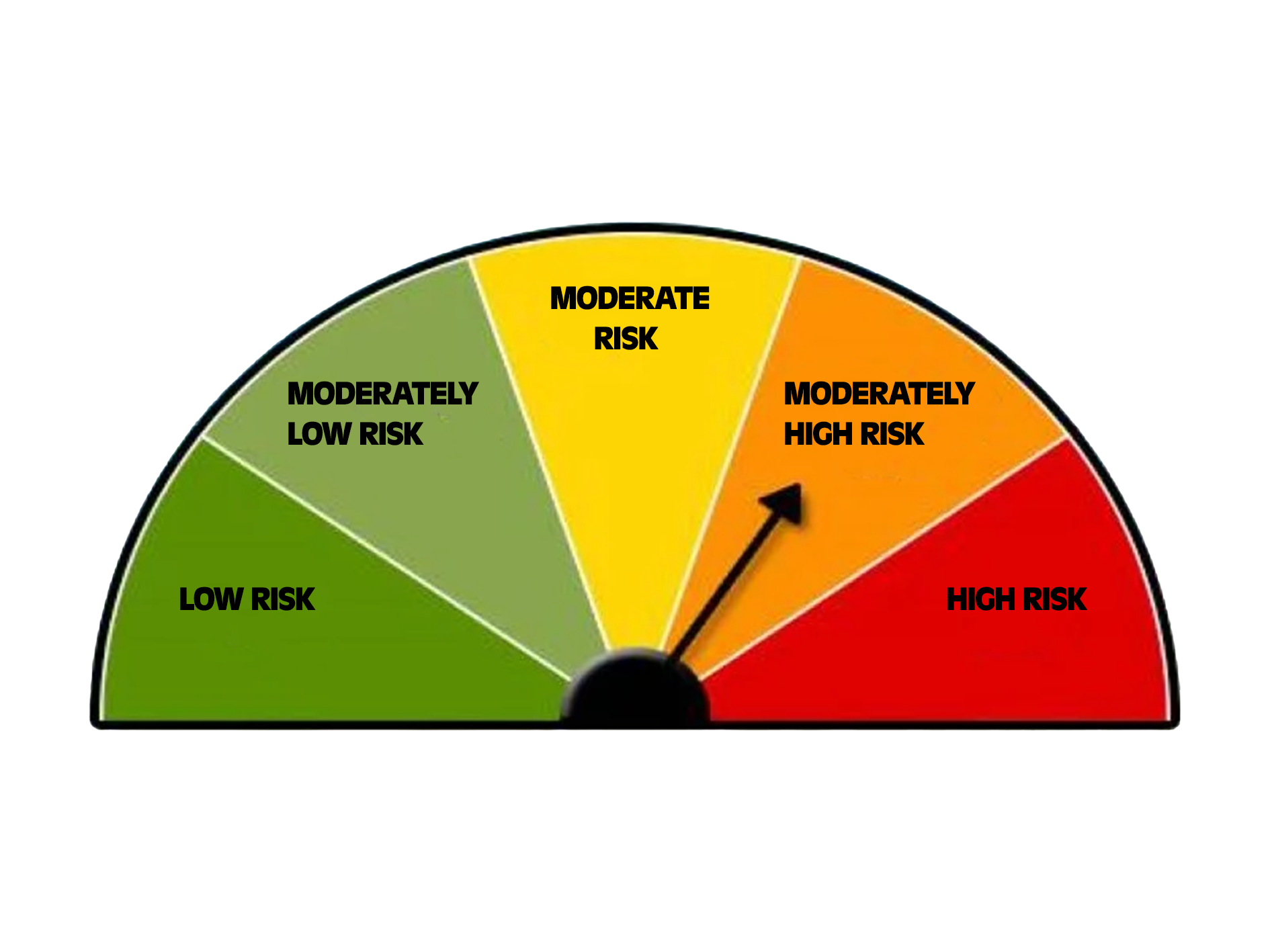
Risk-Based Internal Audit is a forward-looking methodology that aligns audit priorities with the enterprise’s top risks so assurance focuses on what truly matters for strategy, compliance, and resilience. It connects the audit universe, risk assessment, and audit plan to the organization’s risk appetite, delivering insight and early warning rather than after‑the‑fact findings.
What is Risk-Based Auditing
Risk-Based Auditing links internal audit work to the organization’s risk management framework, prioritizing inherent and residual risks that could impede objectives and value creation. It provides independent assurance to the board that material risks are identified, evaluated, mitigated, and monitored within the defined risk appetite and capacity.
Objective of Risk-Based Internal Audit
The core objective is to provide risk‑focused, timely assurance that governance, risk management, and controls are effective for the most material risks. Secondary objectives include advising on control improvement, strengthening data and process integrity, and enabling agile responses to emerging risks and regulatory changes.
Board and Management Oversight
- The board (through the Audit Committee) approves the RBIA charter, annual plan, and audit universe, ensuring alignment with strategy and risk appetite.
- Management owns risk; the internal audit function independently assesses design and operating effectiveness, escalation, and remediation discipline, reporting significant risk/control issues to the board.
Audit Policy
- The RBIA policy should define scope, independence, methodology, materiality, documentation standards, quality assurance, and coordination with risk/compliance.
- It should prescribe planning levels: multi‑year strategic plan, an annual risk‑based plan, and engagement‑level scoping tied to auditable unit risk ratings.
Functional Independence
- The Chief Audit Executive must have direct, unfettered access to the Audit Committee and administrative access to the CEO, with protection from management override.
- Remuneration, performance evaluation, and resource approval should be overseen by the Audit Committee to safeguard objectivity.
Identification of Auditable Units
- Build a comprehensive audit universe covering legal entities, business lines, products, processes, and thematic domains (e.g., credit underwriting, treasury, cybersecurity, data governance).
- Maintain linkages to risk owners, key controls, systems, and regulatory obligations to ensure traceability and coverage mapping.
Conduct Risk Assessment
- Assess inherent risk using likelihood and impact across financial, operational, compliance, conduct, cyber/technology, and strategic dimensions.
- Evaluate control design and operating effectiveness, residual risk, and velocity of change; incorporate external factors (macro, regulatory, industry events) and model/data risks.
Risk
- Consider both inherent risk (absent controls) and residual risk (post‑control), calibrated by data quality, control maturity, issue history, and dependency on third parties.
- Capture risk interactions such as credit-market-liquidity correlations, and cross‑cutting themes like data lineage, access controls, or model governance.
Profile
- Create a risk profile by auditable unit that drives audit frequency, depth, and skill mix; high residual risk units receive priority coverage and specialized testing.
- Use dynamic triggers (e.g., loss events, system changes, growth spikes, regulatory findings) to refresh ratings and re‑prioritize the plan intra‑year.
Communication
- Pre‑engagement: share scope, risk hypotheses, and information requests early to align expectations and reduce friction.
- During fieldwork: provide interim observations on significant issues for timely remediation.
- Reporting: issue clear, ranked findings with root causes, quantified risk, regulatory impact, and practical action plans and owners.
- Follow‑up: track remediation to closure, validate effectiveness, and escalate overdue or ineffective actions to the Audit Committee.
Practical Methodology Essentials
- Planning: risk‑based multi‑year and annual plans tied to risk appetite, capital and liquidity priorities, and change programs.
- Testing: focus on key controls addressing top risks; blend walkthroughs, data analytics, sampling, re‑performance, and thematic testing.
- Analytics: use continuous monitoring and analytics to spot anomalies, emerging risks, and control drift; integrate with issue management dashboards.
- Coordination: align with risk and compliance to avoid gaps/overlaps, while preserving independence and critical challenge.
Governance, Quality, and Capability
- Maintain a QAIP (Quality Assurance and Improvement Program) with periodic external assessments aligned to professional standards.
- Ensure skills coverage for technology, cyber, models/data, treasury, and ESG; use co‑sourcing where specialized expertise is needed.
- Document end‑to‑end: planning rationale, risk assessment, test scripts, evidence, conclusions, and management responses for full auditability.
Common Pitfalls and How to Avoid Them
- Static plans: adopt rolling, trigger‑based reprioritization to stay aligned with fast‑moving risks.
- Control‑only focus: link findings to enterprise risks, regulatory obligations, and business outcomes to drive impact.
- Weak root‑cause analysis: go beyond symptoms; address governance, data, and capability gaps that cause repeat issues.
- Inadequate follow‑up: enforce time‑bound remediation with effectiveness checks and transparent escalation.
Success Metrics
- Coverage of top risks and timely assurance against board‑approved risk appetite.
- Reduction in high‑severity repeat findings and improved remediation timeliness.
- Evidence of insights influencing strategy, investments, and control redesign.
- Audit plan agility: measurable mid‑year pivots to address emerging risks.
When executed well, Risk‑Based Internal Audit becomes a strategic ally—independent, incisive, and action‑oriented—helping leadership anticipate risk, strengthen controls, and sustain performance without losing sight of compliance.
Risk Management Articles related to Model ‘E’ of CAIIB –Elective paper: