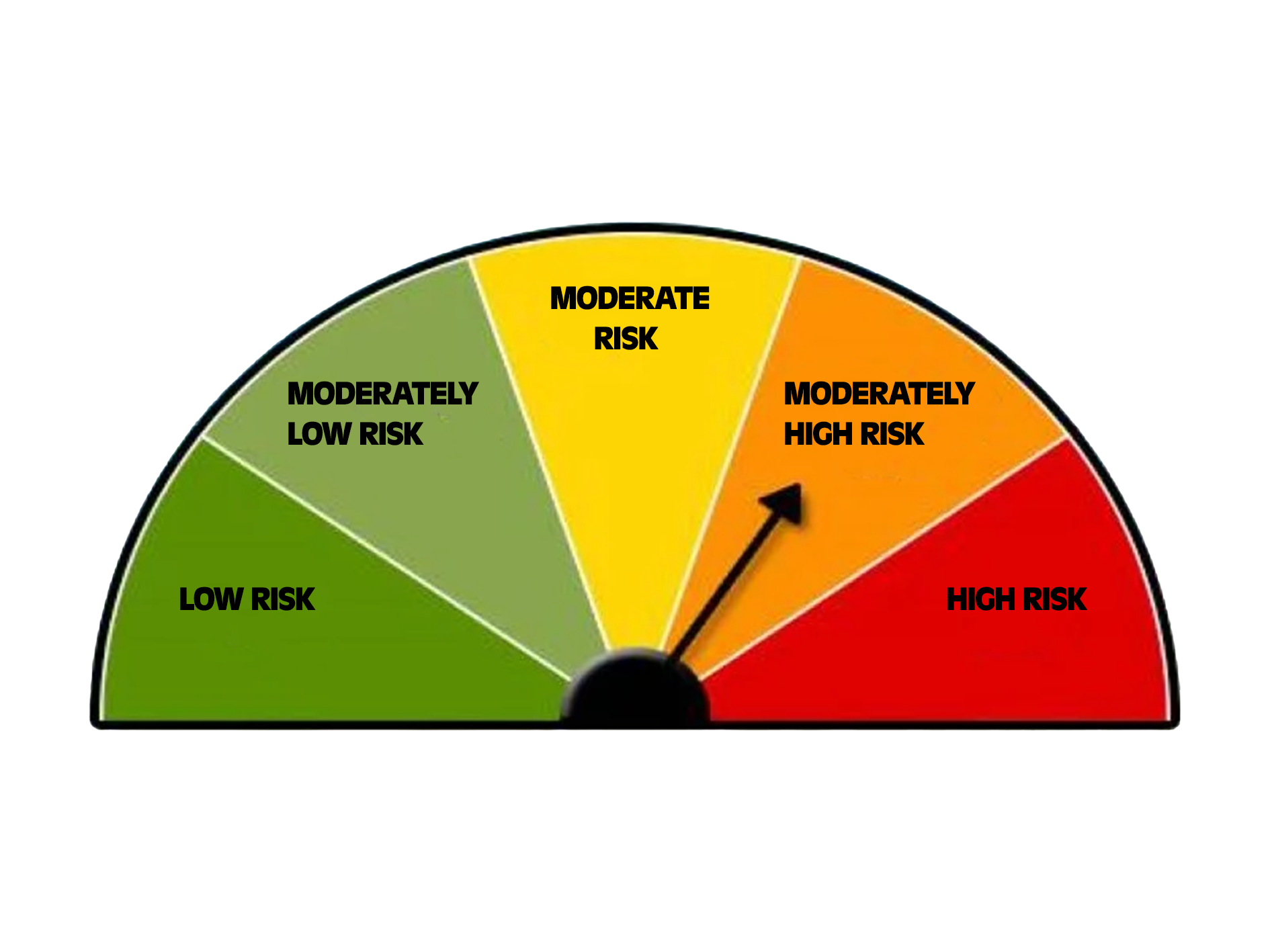
Risk-Based Supervision (RBS) in India represents a shift from checklist-style inspections to a forward-looking, risk‑centred, and proportionate supervisory regime that prioritizes the most material risks to safety, soundness, and systemic stability.
Background
RBS emerged globally after the global financial crisis exposed the limits of compliance-heavy and backward‑looking inspections, pushing supervisors to focus on inherent risks, control effectiveness, and resilience under stress. It emphasizes continuous assessment, early warning, and supervisory intensity calibrated to an institution’s risk profile and systemic footprint.
RBI initiatives
The Reserve Bank of India has transitioned from traditional CAMELS/CALCS inspections to a structured RBS regime, rolling out data-driven offsite analytics, thematic reviews, stress testing, and forward‑looking risk scoring. RBI’s SPARC (Supervisory Program for Assessment of Risk and Capital) approach deepens ongoing assessment, enables early intervention, and optimizes supervisory resources across public, private, and foreign banks.
Bank supervision process in India
India’s supervisory cycle blends continuous offsite surveillance with risk‑focused onsite examinations, anchored by an annual risk assessment and a dynamic supervisory plan. The process integrates stress tests, governance and culture reviews, model risk assessments, and ICAAP/SREP dialogues into an end‑to‑end, forward‑looking evaluation.
Supervisory approach
The approach is proportionate and risk‑based: supervisory intensity, data granularity, and examination focus scale with a bank’s size, complexity, business model, and control effectiveness. Supervisory stances range from normal monitoring to heightened oversight, time‑bound corrective action, and, when needed, enforceable directions.
Features of an effective framework
- Clear objectives: protect depositors, ensure bank soundness, and preserve financial stability.
- Forward‑looking lens: early warning indicators, macro‑financial overlays, and stress testing that inform timely action.
- Consolidated view: group‑wide risk capture across entities, products, and risk types with coherent aggregation and contagion assessment.
- Strong governance: board accountability, senior management ownership, and effective three lines of defense.
- Data integrity: reconciled, timely, and decision‑useful information with robust model governance and validation.
Benefits of RBS
- Better outcomes: earlier detection of vulnerabilities and faster, targeted remediation.
- Resource efficiency: supervisory effort directed to the most material risks and highest‑impact entities.
- Market discipline: clearer supervisory messaging improves incentives, pricing, and governance.
- Systemic resilience: macroprudential insights flow into institution‑level plans and actions.
Supervisory methods/tools
- Offsite analytics: automated risk dashboards, peer benchmarking, and early warning indicators feeding continuous assessment.
- Onsite examinations: focused, risk‑thematic reviews on credit underwriting, IRRBB, liquidity, cyber/IT, operational resilience, and model risk.
- Stress testing: bank‑specific and system‑wide exercises spanning credit, market, liquidity, and concentration risks with management action testing.
- Governance reviews: evaluation of board effectiveness, risk appetite frameworks, culture, and remuneration alignment with risk outcomes.
- ICAAP/SREP dialogue: challenge of risk identification, capital planning, and stress results; alignment to supervisory expectations and remedial plans.
- Thematic and horizontal reviews: cross‑bank examinations of emerging risks, e.g., unsecured retail growth, CRE exposures, third‑party dependencies, or data quality.
- Enforcement mechanisms: time‑bound action plans, supervisory letters, restrictions on certain activities, and escalation to corrective frameworks when required.
Proportionality and calibration
Smaller, simpler banks face streamlined data and examination scope with conservative overlays, while large/complex institutions are subject to deeper model reviews, granular data requests, and enterprise‑wide aggregation tests. Calibration adapts as risk profiles evolve, ensuring supervision remains dynamic and risk‑sensitive.
Integration with capital and liquidity oversight
Findings from RBS feed decisions on buffers, dividend distribution constraints, and capital plans, as well as liquidity coverage, stable funding alignment, and contingency playbooks. The linkage ensures solvency and liquidity views are coherent and mutually reinforcing.
Governance and culture expectations
Boards are expected to set clear risk appetite, oversee model risk and internal audit effectiveness, and evidence credible challenge and follow‑through. Supervisors evaluate tone‑from‑the‑top, accountability, incentives, and escalation culture as determinants of controllability and residual risk.
Execution discipline
An effective RBS program runs on a published supervisory calendar, defined issue‑tracking, and transparent closure criteria, with documentation that supports auditability and continuity. Feedback loops—supervisory letters, management action plans, and periodic validations—ensure sustained risk reduction.
Practical guidance for banks
- Align the risk appetite statement with strategic plans and embed limits that cascade to businesses and products.
- Strengthen data lineage, model governance, and independent validation to withstand supervisory challenge.
- Build a credible stress testing capability integrating macro linkages, scenario narratives, and quantified management actions.
- Ensure ICAAP is enterprise‑wide, forward‑looking, and visibly used in planning, pricing, and performance management.
- Prepare thematic review packs proactively: underwriting standards, portfolio analytics, concentration maps, and control testing evidence.
By embracing a truly risk‑based, forward‑looking posture and elevating governance, data, and stress capabilities, Indian banks can turn supervision from a compliance cost into a strategic catalyst for resilience and sustainable growth.
Risk Management Articles related to Model ‘E’ of CAIIB –Elective paper: