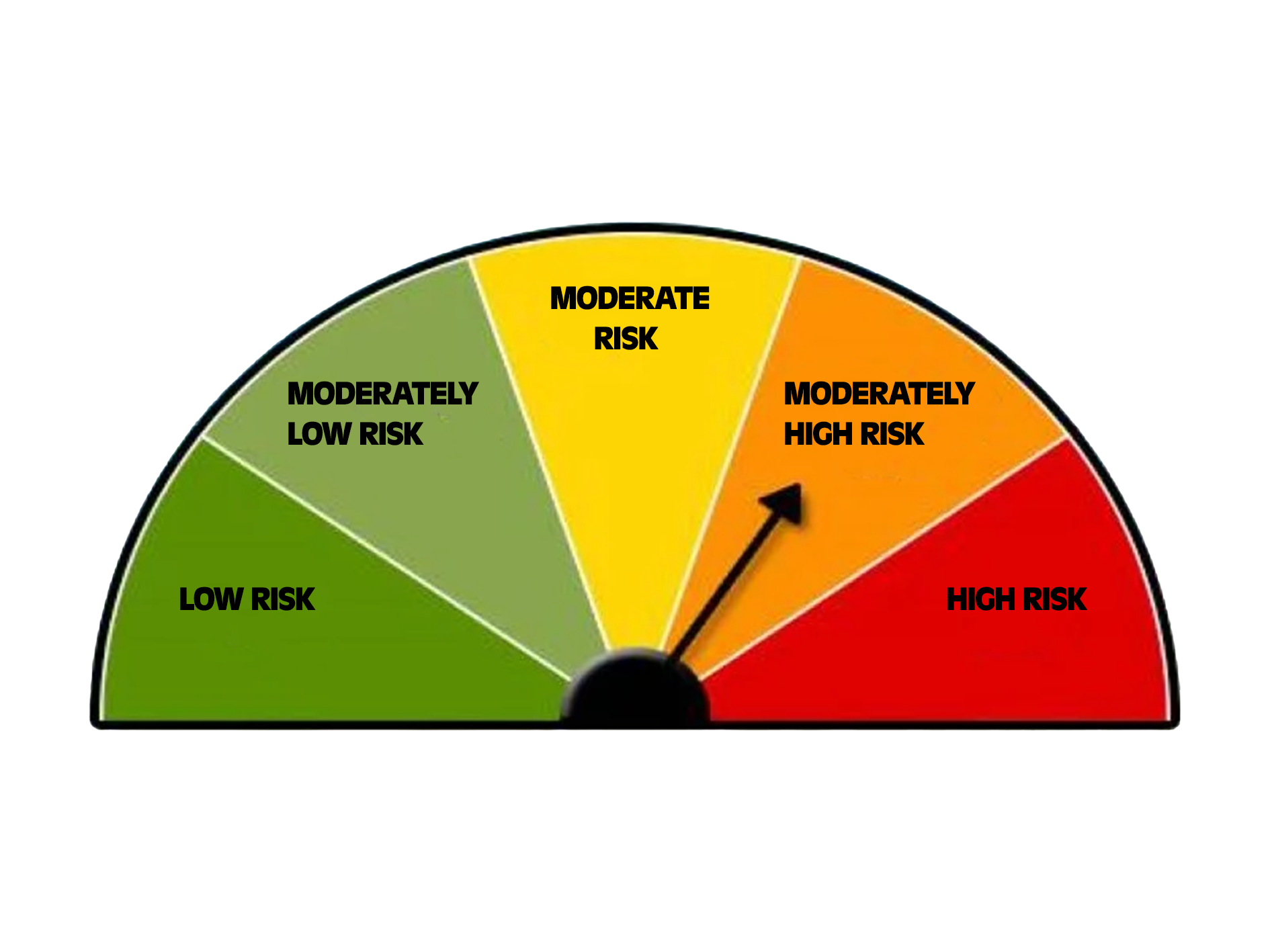
A Risk Management Framework (RMF) provides a structured and systematic approach for identifying, assessing, mitigating, and monitoring risks across an organization. It serves as the foundation for proactive risk management, enabling organizations to manage uncertainties effectively and ensure business continuity. Complementing the RMF are risk monitoring and control practices, which ensure that risks are continuously tracked and managed throughout their lifecycle, maintaining risk exposure within acceptable limits.
Risk Management Framework (RMF)
Definition
A Risk Management Framework (RMF) is a comprehensive set of principles, policies, processes, and tools that organizations use to identify, evaluate, manage, and monitor risks. It enables organizations to systematically address potential threats and vulnerabilities that could impact the achievement of strategic objectives.
Purpose
The primary purpose of an RMF is to provide a consistent and repeatable process for managing risks. This includes identifying and assessing risks, implementing mitigation strategies, and continuously monitoring risk exposure to minimize potential losses or disruptions.
Key Components of RMF
- Governance
Establishes the organizational structure, roles, responsibilities, and oversight mechanisms necessary for effective risk management. Senior management and the board play critical roles in governance. - Risk Identification
Involves systematically identifying internal and external risks that may affect the organization’s objectives, operations, assets, or reputation. - Risk Assessment
Consists of evaluating the likelihood of occurrence and potential impact of identified risks, often through qualitative or quantitative analysis. - Risk Mitigation
Development and implementation of control measures or strategies to reduce risk exposure. Mitigation may involve risk avoidance, reduction, transfer, or acceptance. - Monitoring and Review
Continuous monitoring of identified risks and controls, along with regular reviews to assess the effectiveness of the RMF and adapt to changing conditions.
Common Frameworks and Standards
- NIST Risk Management Framework (National Institute of Standards and Technology)
- COSO Enterprise Risk Management (ERM) Framework (Committee of Sponsoring Organizations)
These frameworks provide detailed methodologies and best practices for implementing effective risk management.
Risk Monitoring and Control Practices
Definition
Risk monitoring and control involve the ongoing process of tracking, analyzing, and managing risks after they have been identified and assessed. These practices ensure that risk responses remain effective and that emerging risks are promptly addressed.
Purpose
The primary objectives are to ensure risks are managed within acceptable thresholds, verify that risk mitigation measures are functioning as intended, and incorporate new risk information into existing risk management strategies.
Key Activities
- Tracking Risk Indicators
Monitoring key risk indicators (KRIs) and metrics that signal changes in risk exposure or the likelihood of risk events. - Verifying Controls
Evaluating the design and operational effectiveness of implemented controls, ensuring they are functioning as planned. - Analyzing Risk Events
Investigating risk incidents to identify root causes, assess impact, and implement corrective actions to prevent recurrence. - Updating Risk Assessments
Revisiting risk evaluations periodically or when new information becomes available, to ensure accuracy and relevance. - Reporting on Risk Status
Communicating risk trends, control effectiveness, and emerging risks to relevant stakeholders, including senior management and the board.
Importance
Risk monitoring and control are critical for:
- Maintaining regulatory compliance
- Protecting stakeholder interests
- Enhancing decision-making and resource allocation
- Ensuring timely response to evolving risks
- Achieving long-term organizational objectives
Conclusion
An effective Risk Management Framework, supported by robust monitoring and control practices, is essential for building organizational resilience and sustaining performance. Together, they enable proactive risk identification, informed decision-making, and continuous improvement, ensuring that risk exposure remains aligned with the organization’s risk appetite and strategic goals.
Related Posts: