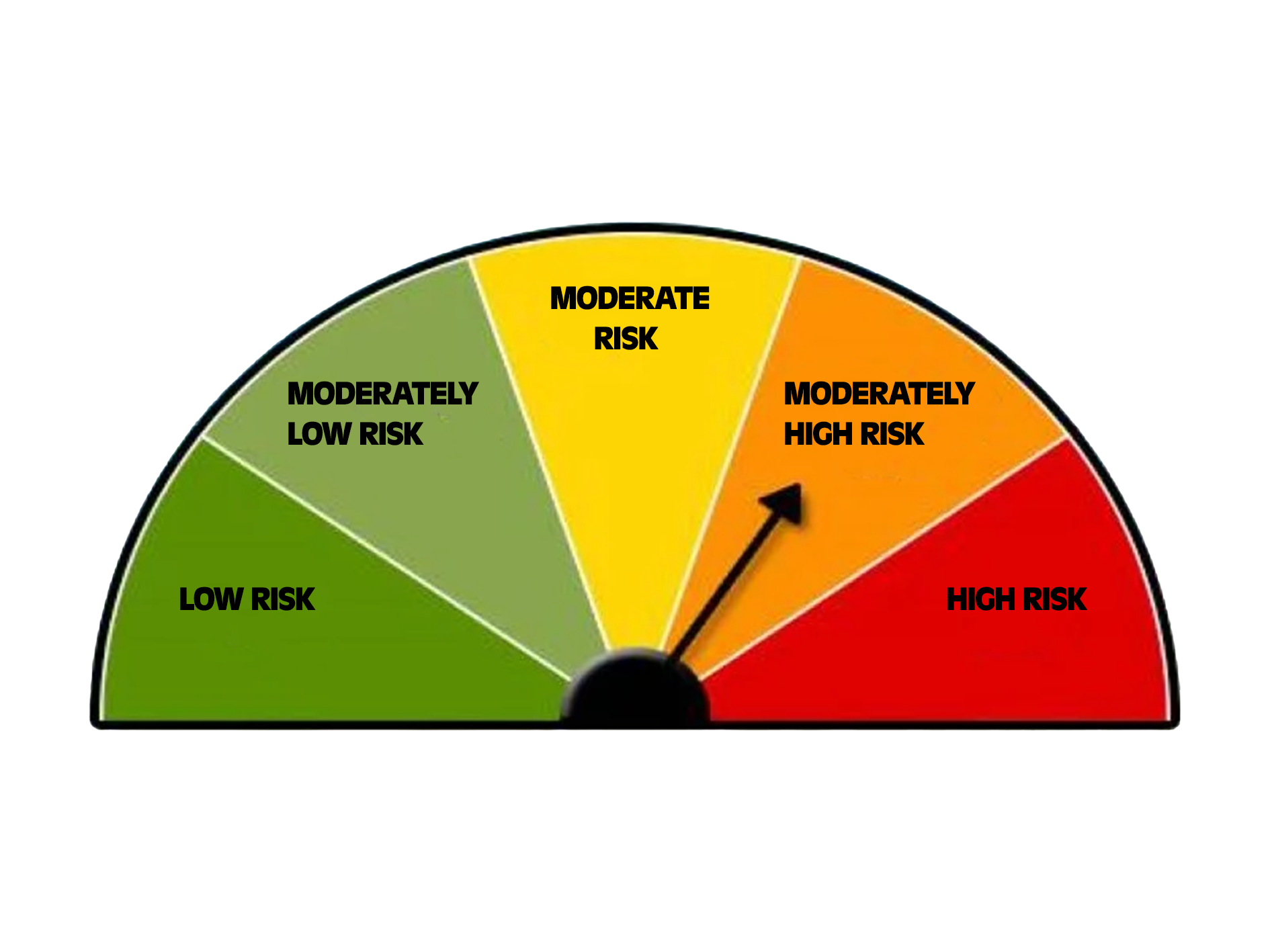
Integrated Risk Management (IRM) is a comprehensive and strategic approach to managing risk across an organization. Unlike traditional siloed risk management methods, IRM consolidates risk activities into a unified framework, providing a holistic view of the enterprise’s risk landscape. This integration is essential for enhancing decision-making, improving operational resilience, and ensuring sustainable business performance in an increasingly complex and dynamic environment.
Why Integrated Risk Management is Essential
1. Enhanced Risk Visibility
IRM enables organizations to gain a comprehensive understanding of risks across various domains—operational, financial, compliance, strategic, and reputational. This consolidated view facilitates the identification of interdependencies among risks and supports more accurate risk assessments.
2. Informed and Data-Driven Decision-Making
By integrating risk data and analytics, IRM supports decisions that are grounded in evidence rather than assumptions. This reduces the likelihood of costly misjudgments and aligns risk management with organizational objectives.
3. Improved Operational Efficiency
IRM streamlines the risk identification, analysis, and assessment processes, reducing duplication of efforts and enabling more efficient use of resources. It also helps eliminate redundancies across risk functions.
4. Proactive Risk Mitigation
With an integrated approach, organizations can identify emerging risks early and implement mitigation strategies before risks materialize into significant issues. This proactive posture strengthens overall business resilience.
5. Enhanced Communication and Collaboration
IRM fosters cross-functional collaboration by breaking down information silos. Shared risk information improves communication between departments and aligns risk management efforts with organizational goals.
6. Cost Optimization
By improving efficiency and reducing redundancies, IRM contributes to cost savings. Better resource allocation, reduced risk exposure, and streamlined compliance processes lead to lower operational costs.
7. Regulatory Compliance
IRM provides a structured and auditable framework for managing risks, which helps ensure compliance with evolving regulatory standards. It facilitates risk reporting, documentation, and audit readiness.
8. Business Agility and Resilience
IRM allows organizations to respond quickly and effectively to changing market conditions, technological disruptions, and emerging risks. This agility enhances competitiveness and ensures continuity.
9. Strengthening Stakeholder Trust
Effective risk management—especially with regard to third-party, data privacy, and cybersecurity risks—builds trust with customers, investors, regulators, and partners. IRM demonstrates a commitment to governance, security, and quality.
10. Optimized Performance and Strategic Alignment
IRM helps organizations simplify complex risk processes, improve control over threats, and align risk management with strategic priorities. The result is optimized operational performance and long-term value creation.
Conclusion
Integrated Risk Management is no longer a choice but a necessity for organizations aiming to thrive in today’s risk-intensive landscape. It provides the tools and frameworks for proactive risk identification, enhanced collaboration, and agile decision-making. By adopting IRM, businesses can foster resilience, achieve regulatory compliance, reduce costs, and drive sustainable growth.
Related Posts: