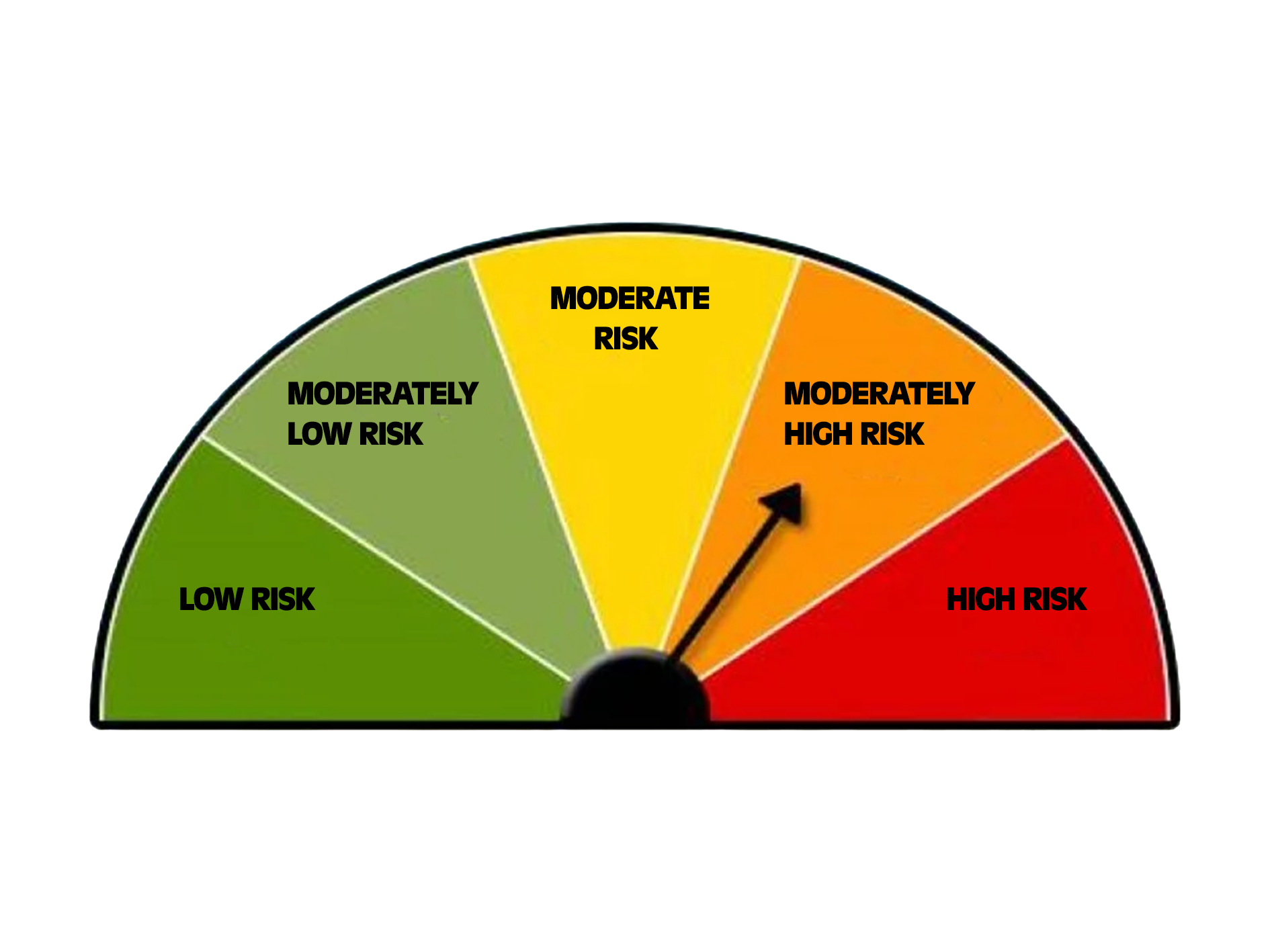
Asset-Liability Management (ALM) is a critical risk management framework used by banks to maintain a balanced and stable relationship between their assets—such as loans and investments—and liabilities, which include deposits and borrowings. The primary objective of ALM is to ensure sustained profitability, financial stability, and regulatory compliance through the prudent management of liquidity, interest rate, and credit risks.
Key Objectives of ALM in Banking
- Interest Rate Risk Management
ALM aims to mitigate the adverse impact of interest rate fluctuations on a bank’s capital and earnings by aligning the interest rate sensitivity of assets and liabilities. - Liquidity Management
Ensuring that sufficient funds are available to meet short- and long-term obligations is central to ALM. It involves the timely availability of liquid assets to address both expected and unexpected cash flow needs. - Credit Risk Mitigation
ALM helps manage the bank’s exposure to credit risk by monitoring and optimizing the composition of the credit portfolio, thereby reducing the likelihood of losses from loan defaults.
Role of Treasury in ALM
While ALM is focused on long-term balance sheet stability and strategic risk management, the Treasury function in a bank plays a complementary and operational role by managing liquidity, investments, and foreign exchange in the short term. Treasury operations directly contribute to the goals of ALM through efficient financial resource management.
Key treasury functions include:
- Foreign Exchange Operations
Facilitates global trade and remittance services by managing currency risk and providing forex solutions to clients. - Liquidity Management
Ensures the availability of adequate liquid assets and cash to meet the bank’s short-term obligations, thereby supporting overall financial stability. - Investment Management
Develops investment strategies to balance risk and return, diversify portfolios, and maintain compliance with regulatory requirements for liquidity and capital reserves.
Key Differences Between ALM and Treasury Management
| Parameter | Asset-Liability Management (ALM) | Treasury Management |
| Primary Objective | Long-term risk management of interest rate, liquidity, and credit risks | Short-term financial resource management, including liquidity and forex |
| Regulatory Compliance | Adheres to risk regulations, including Basel norms | Complies with central bank liquidity norms (CRR, SLR), forex regulations |
| Scope | Strategic focus on balance sheet stability and profitability | Tactical focus on liquidity, investments, and capital market operations |
| Time Horizon | Medium to long term | Short term |
Though distinct in focus, Treasury and ALM are interdependent. Treasury operations support ALM by managing day-to-day cash flows, ensuring liquidity, and executing investment strategies, while ALM ensures that these activities align with the bank’s long-term financial strategy and risk appetite.
Regulatory Framework and Compliance
Effective ALM and treasury operations are underpinned by a robust regulatory framework. In India, the Reserve Bank of India (RBI) issues comprehensive guidelines to promote sound risk management in banks. Key regulations include:
- For ALM:
- Structural Liquidity Statement (SLS)
- Liquidity Coverage Ratio (LCR) as part of Basel III compliance
- For Treasury Management:
- Statutory Liquidity Ratio (SLR)
- Cash Reserve Ratio (CRR)
- Forex and derivative transaction guidelines
Globally, the Bank for International Settlements (BIS) has developed the Basel III framework to enhance the regulation, supervision, and risk management of banks, further strengthening ALM practices.
Technological Advancements in ALM and Treasury
The adoption of advanced technologies such as Big Data analytics, artificial intelligence (AI), and automation is transforming ALM and treasury operations. These innovations enable real-time risk assessment, enhanced decision-making, and improved efficiency in managing complex financial data.
Digital transformation is facilitating:
- Automated liquidity and risk monitoring
- Predictive analytics for investment strategies
- Enhanced regulatory compliance through real-time reporting
Conclusion
In an evolving financial landscape marked by regulatory changes and rapid technological advancements, banks must adopt efficient and proactive risk management strategies. Treasury and ALM functions, though distinct, work in tandem to safeguard financial stability and drive profitability. With digital transformation reshaping banking operations, staying informed and agile in managing risks is imperative for sustained success in the sector.
Related Posts