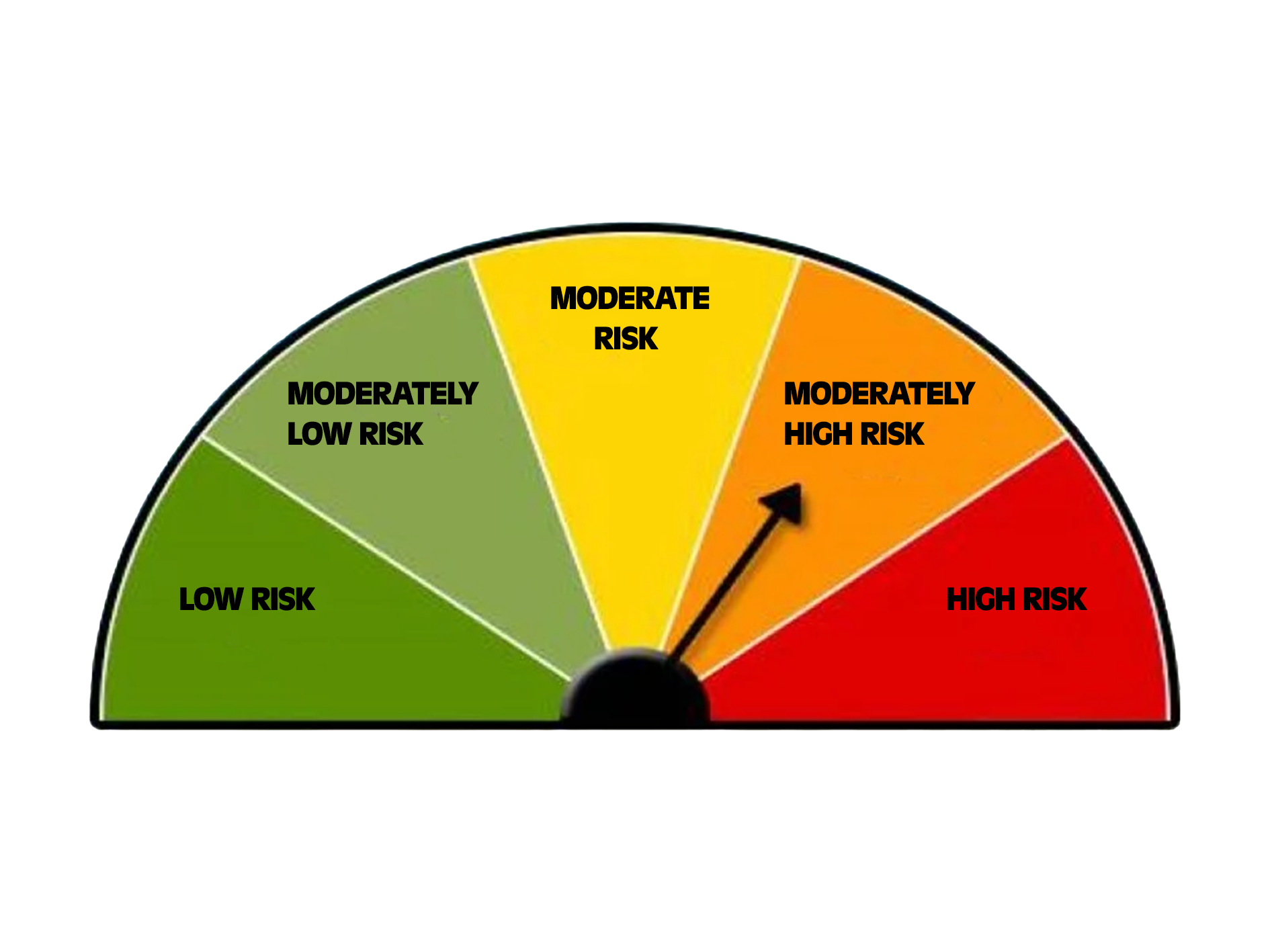
Asset Liability Management (ALM) is a fundamental risk management practice for financial institutions, aimed at addressing mismatches between assets and liabilities. It involves aligning the timing, structure, and risk characteristics of cash inflows and outflows to ensure liquidity, mitigate interest rate risk, and maintain financial stability. A robust ALM framework is essential not only for profitability and regulatory compliance but also for the long-term sustainability of the institution.
Key Significance of Asset Liability Management
1. Risk Mitigation
- Interest Rate Risk
ALM helps manage the impact of interest rate fluctuations on the value of assets and liabilities. Institutions employ techniques such as duration matching, portfolio diversification, and the use of financial derivatives to hedge against adverse interest rate movements. - Liquidity Risk
By ensuring that adequate liquid assets are available to meet short-term obligations, ALM safeguards institutions from liquidity shortfalls and potential crises. - Mismatch Risk
ALM addresses the risk arising from differences in the maturities and cash flows of assets and liabilities. It ensures that financial commitments can be met as they fall due, thus preventing solvency concerns.
2. Financial Stability and Profitability
- Maintaining Stability
Through proactive risk management, ALM enables institutions to maintain operational and financial stability, even in volatile economic environments. - Optimizing Profitability
By strategically managing the composition of assets and liabilities, institutions can enhance interest income, reduce funding costs, and improve net interest margins. - Capital Adequacy
Effective ALM supports the maintenance of sufficient capital buffers to absorb potential losses, thereby ensuring compliance with regulatory capital standards and reinforcing financial resilience.
3. Regulatory Compliance
- Adherence to Regulations
Regulatory authorities mandate the implementation of sound ALM practices to promote the safety and soundness of financial institutions. Compliance with these requirements is essential to avoid penalties and maintain operational licenses. - Avoidance of Regulatory Sanctions
Non-compliance with ALM regulations can result in significant financial and reputational consequences. As such, ALM is integral to maintaining regulatory credibility and operational continuity.
4. Improved Decision-Making
- Strategic Planning
ALM provides a structured approach to balance sheet management, facilitating data-driven decisions that enhance financial performance and risk control. - Scenario Analysis and Stress Testing
Through simulation of various economic and market scenarios, ALM helps institutions anticipate the potential impact of adverse conditions and formulate contingency strategies.
Conclusion
Asset Liability Management is not merely an operational function but a strategic imperative for financial institutions. It serves as a cornerstone for managing financial risks, ensuring liquidity, optimizing profitability, and achieving regulatory compliance. A well-executed ALM framework enables institutions to navigate financial uncertainties with resilience and confidence, thereby safeguarding their long-term viability and stakeholder interests.
Related posts: