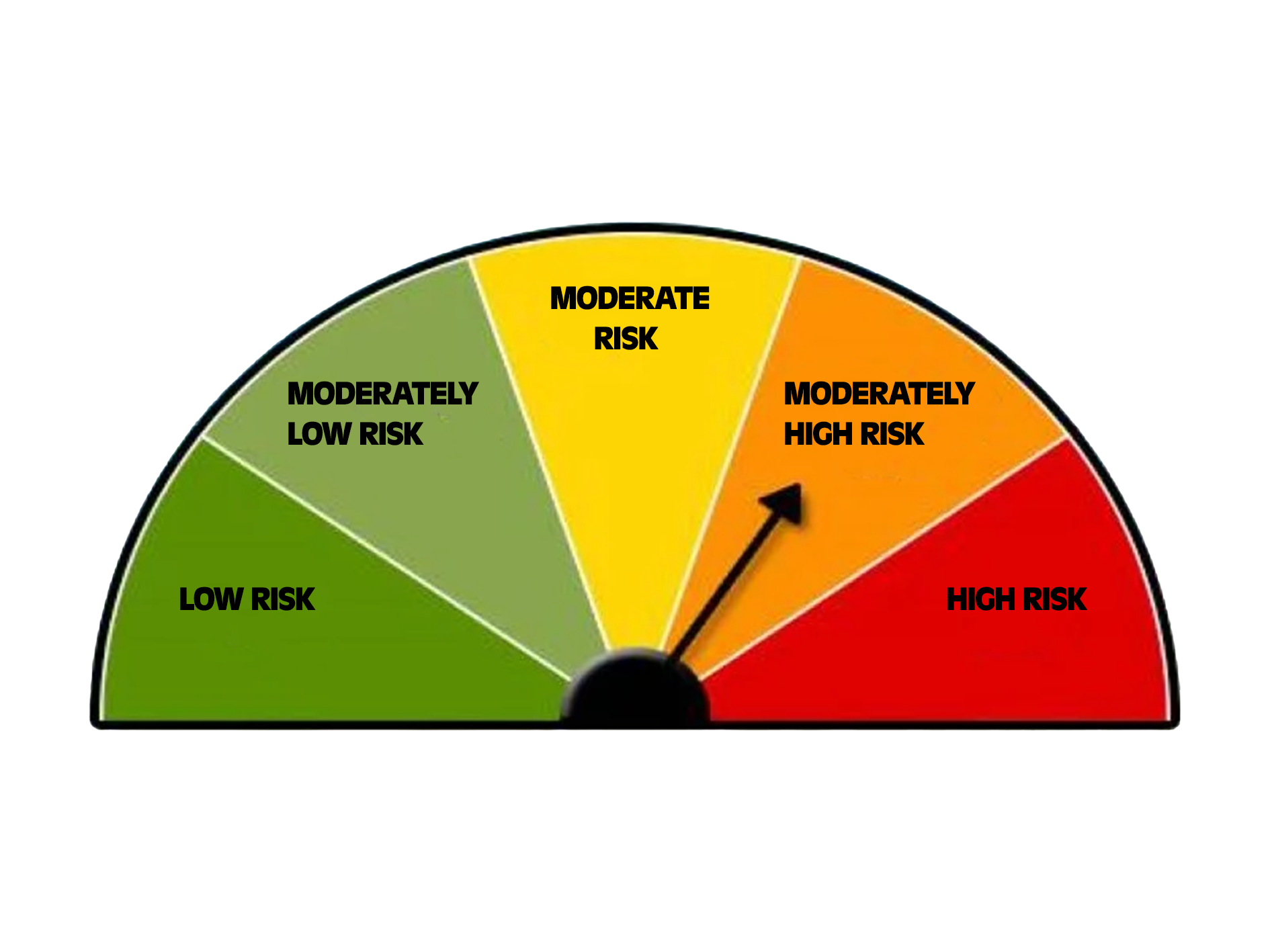
Treasury risk management refers to the systematic process of identifying, assessing, and mitigating financial risks that may adversely affect an organization’s cash flow, investments, and overall financial stability. It encompasses the implementation of proactive strategies and internal controls aimed at preserving financial resources and ensuring the organization’s ability to meet its financial obligations.
Key Components of Treasury Risk Management
- Risk Identification and Assessment
This involves evaluating potential financial threats, including:- Liquidity risk – the risk of insufficient cash to meet obligations.
- Market risk – exposure to fluctuations in interest rates, foreign exchange rates, and commodity prices.
- Credit risk – the risk of counterparty default on financial obligations.
- Development of Risk Mitigation Strategies
Organizations establish policies, procedures, and internal controls to reduce the impact of identified risks. These strategies are tailored to the organization’s risk profile and financial objectives. - Liquidity Management
Ensuring the availability of sufficient cash and liquid assets to meet short-term obligations and manage working capital efficiently is a critical function of treasury risk management. - Market Risk Management
This includes the use of hedging instruments such as forwards, futures, options, and swaps to manage exposure to interest rate movements, currency fluctuations, and changes in commodity prices. - Credit Risk Management
Involves assessing the creditworthiness of counterparties and implementing safeguards such as credit limits, collateral arrangements, and insurance to mitigate potential losses. - Ongoing Monitoring and Reporting
Continuous monitoring of risk exposures and performance against benchmarks is essential. Regular reporting enables timely decision-making and enhances transparency regarding risk positions.
Benefits of Effective Treasury Risk Management
- Enhanced Financial Stability
Proactively managing financial risks strengthens the organization’s financial position and contributes to long-term sustainability. - Reduced Financial Losses
Mitigation measures can significantly limit losses resulting from adverse market conditions, credit events, or liquidity shortages. - Improved Decision-Making
A comprehensive understanding of financial risks supports better strategic decisions concerning investments, financing, and operations. - Operational Efficiency
Automation and robust treasury systems streamline processes, reduce manual errors, and improve overall efficiency. - Regulatory Compliance and Governance
Effective risk management ensures adherence to regulatory requirements and supports sound corporate governance practices.
Conclusion
Treasury risk management is a critical function that extends beyond reactive measures. It involves a proactive, structured approach to managing financial risks to support the long-term financial health, operational resilience, and strategic goals of the organization.
Related Posts