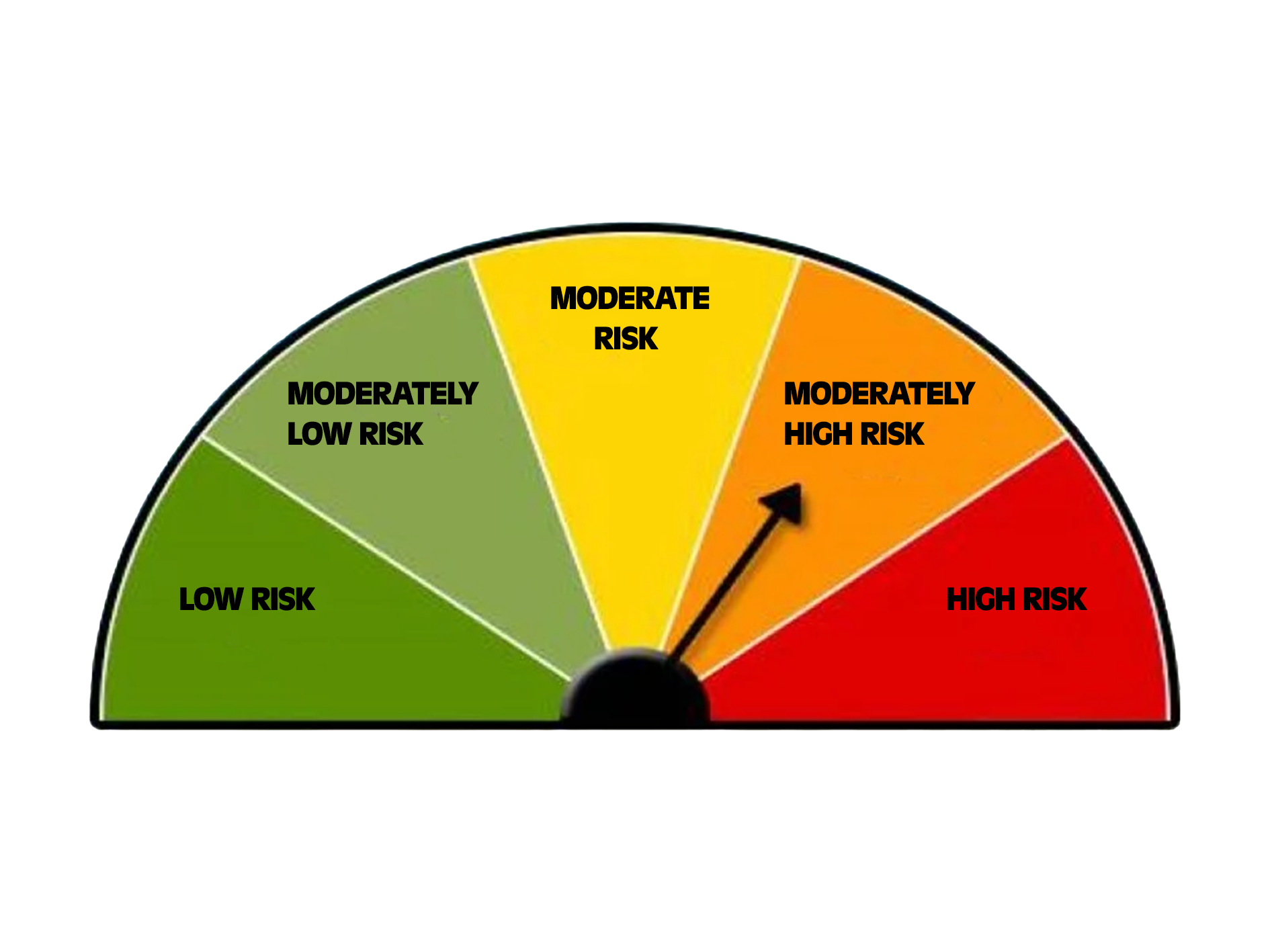
Credit rating has become an indispensable tool in modern finance, especially for banks that continuously assess risks in lending. It not only ensures that banks minimize their exposure to defaults but also helps investors and regulators make informed decisions. Let’s explore what credit rating is, why it matters, and how both internal and external rating systems operate.
What is Credit Rating?
Credit rating is an evaluation of a borrower’s creditworthiness, reflecting their ability to meet financial obligations on time. In simpler terms, it answers the fundamental question: How risky is it to lend money to this borrower?
- For individuals, this translates into personal credit scores based on repayment history and outstanding debt.
- For businesses, it is a broader assessment of financial strength, operational efficiency, and repayment capacity.
Ratings are usually expressed in predefined letter grades (such as AAA, AA, BBB, etc.), where higher ratings indicate lower risk of default.
Usefulness of Rating System for Banks
For banks, a robust credit rating system is more than a risk assessment—it is a strategic tool.
- Better Lending Decisions: It enables banks to differentiate between high-risk and low-risk borrowers before disbursing credit.
- Capital Allocation: Regulatory bodies like the RBI require banks to maintain capital adequacy based on the risk profile of their assets. Credit ratings influence this by assigning appropriate risk weights.
- Loan Pricing: Ratings help in determining interest rates—higher-rated borrowers can access cheaper loans, while riskier borrowers pay higher premiums.
- Portfolio Stability: By monitoring credit quality, banks can manage risk concentration and avoid excessive exposure to weak borrowers.
- Investor Confidence: A transparent credit rating framework enhances trust among stakeholders, including depositors and shareholders.
Features of an Internal Credit Rating System
Internal credit rating systems are developed by banks for assessing their borrowers. Some key features include:
- Multiple Rating Grades: Banks adopt a granular scale to classify borrowers into different grades, ranging from excellent to poor credit quality.
- Risk Sensitivity: The system considers financial performance, repayment history, industry outlook, collateral quality, and management evaluation.
- Forward-Looking Assessment: Ratings are not limited to past performance but also assess future repayment capacity.
- Integration with Processes: Internal ratings are linked with loan sanctioning, monitoring, provisioning, and recovery strategies.
- Dynamic Updation: Borrower ratings are periodically reviewed to reflect changing circumstances.
Rating Exercise and Rating Assignment
The process of assigning a credit rating usually follows a structured approach:
- Data Collection: Gathering financial statements, repayment records, credit bureau reports, and industry data.
- Preliminary Analysis: Assessing key indicators such as leverage ratios, liquidity, profitability, and operational efficiency.
- Qualitative Assessment: Evaluation of management quality, governance standards, business outlook, and market competition.
- Risk Scoring Model: Assigning a numerical/weighted score to different factors, leading to an overall risk profile.
- Rating Decision: Classification of the borrower into a designated rating grade.
- Ongoing Monitoring: Reviewing ratings periodically and making adjustments based on financial performance or external developments.
Rating by External Rating Agencies
In addition to internal ratings, external credit rating agencies play a pivotal role in the financial ecosystem. Agencies such as CRISIL, ICRA, CARE Ratings, and India Ratings in India (or globally, Standard & Poor’s, Moody’s, and Fitch) provide independent ratings.
- Objectivity: Independent third-party assessment carries higher credibility in markets.
- Market Access: Companies seeking to raise funds through bonds, debentures, or commercial papers often require external credit ratings.
- Regulatory Acceptance: Regulators, such as RBI and SEBI, recognize external ratings when determining capital adequacy or investment eligibility.
- Benchmarking: External ratings allow comparison across companies and industries, giving investors a fair basis for decision-making.
Key Differences Between Internal and External Ratings
| Aspect | External Ratings | Internal Ratings |
| Source | Issued by independent credit rating agencies | Developed in-house by the financial institution |
| Purpose | Facilitate market transparency and investor confidence | Aid internal credit decision-making and risk management |
| Specificity | Broad, standardized for market-wide comparability | Customized to institutional policies and borrower profiles |
| Regulatory Use | Used by regulators for capital markets oversight | Subject to regulatory approval when applied under IRB |
Credit ratings related articles
| CREDIT RATING SYMBOLS AND RATINGS OUTLOOK | FACTORS CONSIDERED WHILE RATING COMPANIES/INSTRUMENTS AND PROCESS OF CREDIT RATINGS EXPLAINED | REGULATIONS FOR CREDIT RATING AGENCIES (CRAS) IN INDIA |
Conclusion
External ratings provide a standardized and widely accepted assessment of creditworthiness that promotes market discipline and investor protection. Conversely, internal ratings offer institutions a flexible and tailored approach to credit risk management, aligned with their internal processes and strategic goals. Both rating systems, when used in conjunction, can enhance the overall efficacy of credit risk assessment frameworks. xxx
Risk Management Articles related to Model ‘B’ of CAIIB –Elective paper: