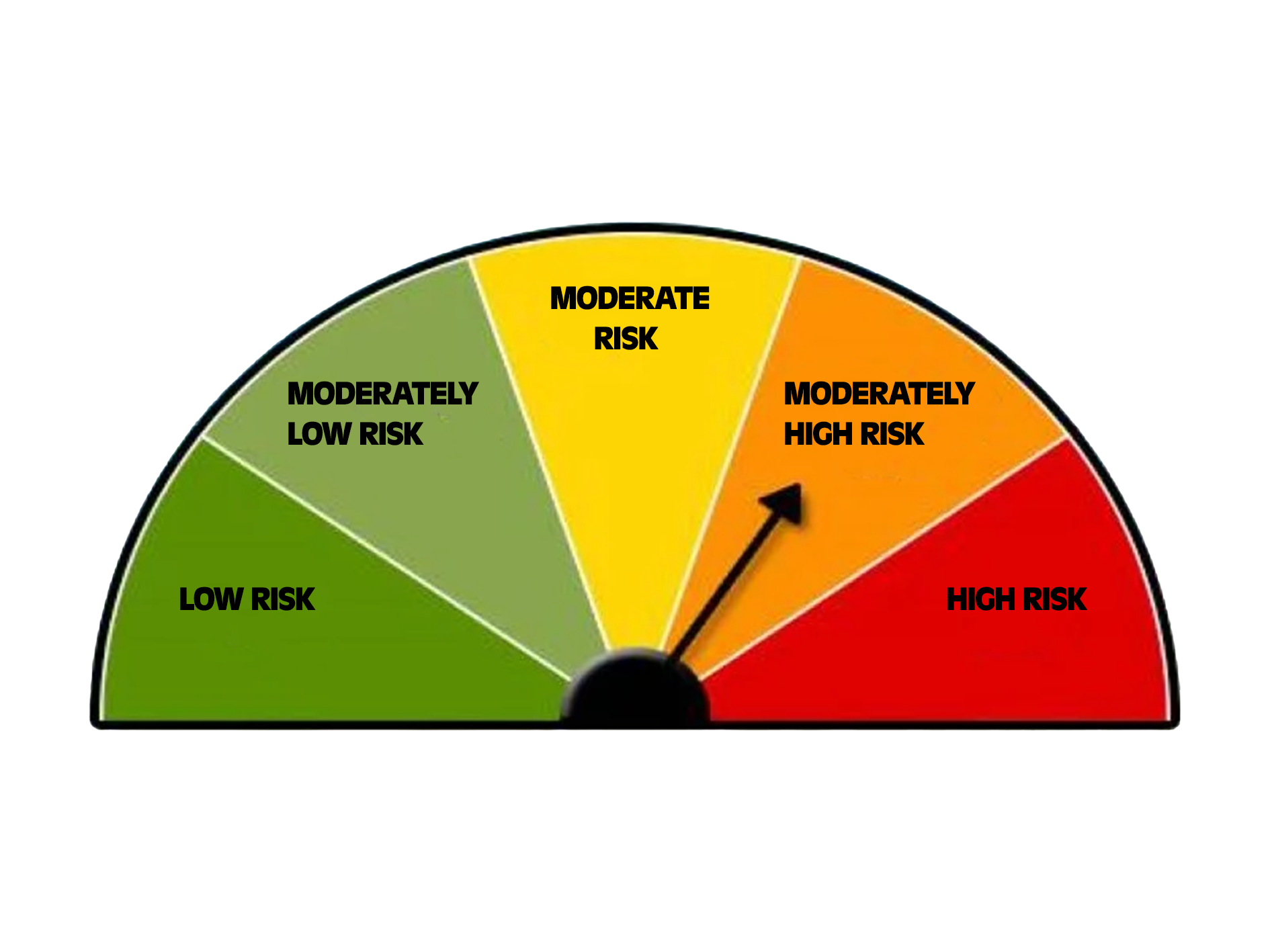
In the world of finance and business, no decision is entirely free from uncertainty. Every investment, loan, or strategic move carries with it some level of exposure to potential loss. This exposure is what we call risk. Banks, businesses, and individuals all face risks—whether financial, operational, or strategic—and the way they identify, measure, and manage risk largely determines their long-term success.
Definition of Risk
At its core, risk is the possibility of an unfavorable outcome or loss arising from a decision, action, or external event. It reflects the uncertainty surrounding future results. In finance and banking, risk is often linked to measurable probabilities—for instance, the chance that a borrower may default on a loan, or that interest rates might move unfavorably.
While uncertainty refers to situations where outcomes are not known, risk typically involves both the possibility of loss and some estimate of the likelihood of that loss.
Risk in Banks
Banks operate in one of the most risk-intensive industries. They act as custodians of public money while also lending, investing, and providing financial services in volatile markets. This dual role—balancing depositor protection with profit-seeking—makes risk management their most important responsibility.
Some major risks banks face include:
- Credit risk – Loans turning into non-performing assets due to borrower defaults.
- Market risk – Losses due to fluctuations in interest rates, currency exchange rates, and stock market conditions.
- Liquidity risk – Inability to meet short-term obligations due to cash flow mismatches.
- Operational risk – Failures arising from internal processes, cyberattacks, frauds, or system breakdowns.
- Reputational risk – Damage to brand trust due to scandals, poor service, or regulatory violations.
For regulators such as the Reserve Bank of India (RBI), managing these risks is central to maintaining financial stability and depositor confidence.
Business Risk vs Control Risk
In organizational settings, it is useful to distinguish between business risk and control risk:
- Business Risk
This refers to the uncertainties that affect a company’s financial performance and survival. Examples include changing customer preferences, competitive pressure, regulatory changes, and economic downturns. Business risk reduces profits or may even threaten the continuity of operations. - Control Risk
Control risk arises when internal control mechanisms fail to detect, prevent, or correct errors and irregularities. For example, weak internal audits may allow fraud to go unnoticed. While business risk is external and strategic, control risk is internal and operational.
Together, these two risks highlight the importance of both foresight in strategy and vigilance in governance.
Financial Risk vs Non-Financial Risk
Banking risks can also be broadly classified into financial risks and non-financial risks:
- Financial Risk
These are risks that directly impact a bank’s financial performance. Credit risk, market risk, liquidity risk, and interest rate risk all fall under this category since they directly affect profitability and capital adequacy. - Non-Financial Risk
These risks do not immediately reflect in balance sheets but can severely harm reputation, compliance, or operations. Examples include operational risk, compliance risk, cyber risk, environmental risk, and reputational risk. Increasingly, regulators are acknowledging that non-financial risks, such as climate-related risks, can have long-term financial consequences as well.
Conclusion
Risk is inseparable from banking and business operations. While risk can never be eliminated, it can be managed through strong governance, internal controls, forecasting, and compliance frameworks. Understanding the nature of risks—whether business vs. control, financial vs. non-financial—helps banks and companies build resilience amid uncertainty.
By focusing on proactive risk management, financial institutions not only safeguard their stability but also strengthen the trust of customers, investors, and regulators.
Articles related to Risk Management in ‘Model ‘A’ of CAIIB –Elective paper: