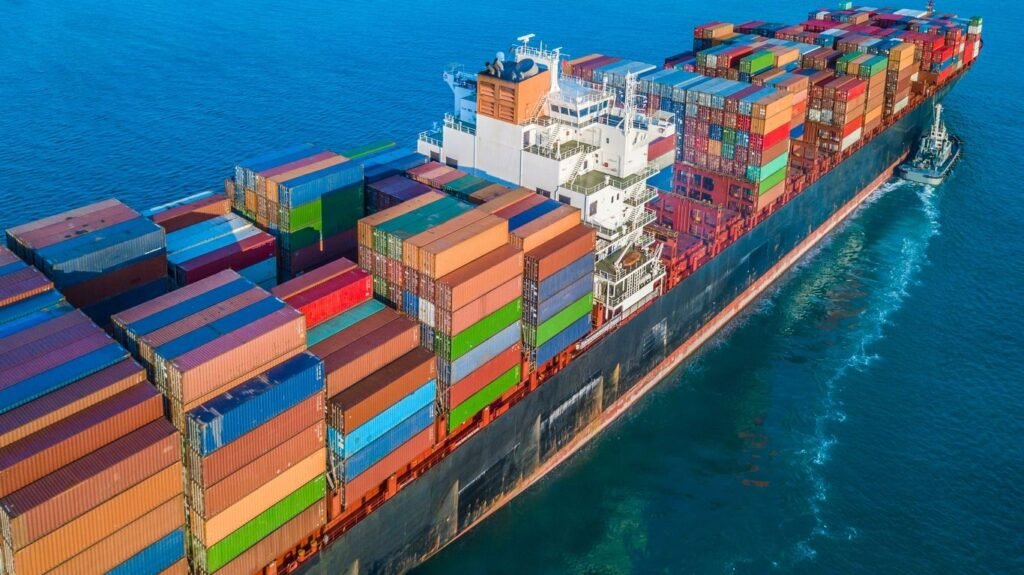
The Union Cabinet has approved the Credit Guarantee Scheme for Exporters (CGSE), authorising the National Credit Guarantee Trustee Company Limited (NCGTC) to extend 100% credit guarantee coverage to Member Lending Institutions (MLIs) for additional credit facilities of up to ₹20,000 crore to eligible exporters, including those in the MSME segment. The scheme is expected to substantially improve access to collateral-free credit, thereby strengthening the financial resilience and competitiveness of Indian exporters.
Implementation Architecture
The scheme will be implemented by the Department of Financial Services (DFS) through NCGTC. A Management Committee, chaired by the Secretary, DFS, will oversee operational performance, credit flow, risk management, and adherence to scheme parameters. MLIs will be responsible for credit appraisal, sanction, monitoring, and reporting, with guaranteed cover reducing incremental risk on their balance sheets.
Expected Impact on Export Ecosystem
CGSE is positioned as a key policy instrument to:
• Facilitate unsecured, liquidity-enhancing credit to exporters, particularly MSMEs.
• Support market diversification into new and emerging geographies.
• Strengthen cash-flow stability, enabling uninterrupted production and fulfilment cycles.
• Contribute to the national ambition of achieving USD 1 trillion in exports, complementing the broader Aatmanirbhar Bharat vision.
The guarantee mechanism is expected to reduce the risk premium on export credit, improve credit availability, and lower borrowing costs for smaller exporters. Enhanced credit assurance to lenders is also likely to promote deeper financial inclusion within the export sector.
Macroeconomic and Sectoral Context
Exports account for approximately 21% of India’s GDP (FY 2024-25) and play a central role in foreign exchange mobilisation and macroeconomic stability. Export-oriented industries collectively employ over 45 million individuals, with MSMEs contributing nearly 45% of total merchandise exports.
In this context, liquidity constraints and limited collateral remain key impediments to export expansion. CGSE addresses these structural challenges by enabling banks and financial institutions to extend incremental working capital and term credit without collateral requirements, backed by full sovereign-supported guarantee coverage.
Policy Rationale
Given heightened global trade volatility, exporters require adequate financial flexibility to maintain competitiveness and pursue diversification strategies. Government-backed credit enhancement through CGSE is expected to:
• Mitigate risk aversion among lenders.
• Improve access to timely and adequate credit.
• Reinforce exporters’ ability to invest in capability enhancement, technology upgrades, and new market development.
The initiative demonstrates a proactive policy stance towards strengthening India’s export architecture and safeguarding firms’ operational continuity during shifting global trade conditions.
What Banks Should Do Now: Operational Checklist for Implementing CGSE
1. Policy and Framework Readiness
• Review the CGSE notification and issue an internal circular outlining eligibility, processes, and risk-sharing norms.
• Update the bank’s Credit Policy / Export Credit Policy to incorporate CGSE provisions.
• Align internal delegation, sanctions, and approval guidelines to reflect the 100% NCGTC guarantee coverage.
2. Identification of Eligible Exporter Accounts
• Create a portfolio-level mapping of existing exporter clients, with particular attention to MSME exporters needing incremental working capital.
• Flag accounts with liquidity stress, collateral shortfall, or market expansion requirements.
• Set up a pipeline of target accounts for proactive outreach.
3. Operational Integration with NCGTC
• Ensure branch and credit teams are trained on NCGTC enrolment, guarantee application processes, timelines, and documentation standards.
• Enable system readiness for guarantee invocation and premium payment tracking.
4. Credit Appraisal and Product Structuring
• Design or refine bank products for collateral-free export credit under CGSE (packing credit, export bills, working capital demand loans, term loans).
• Assess borrowers’ export turnover, receivables cycles, and market diversification needs.
• Ensure pricing reflects reduced credit risk after guarantee coverage.
5. Monitoring and Compliance
• Strengthen monitoring mechanisms for export credit utilisation, performance of guaranteed accounts, and risk flags.
• Maintain end-use documentation and periodic reporting as per DFS/NCGTC guidelines.
• Establish an internal dashboard for tracking sanctions, disbursements, guarantee coverage, and delinquency trends.
6. Customer Communication and Outreach
• Launch a targeted communication campaign to exporters, highlighting availability of collateral-free credit and operational details.
• Conduct outreach through trade bodies, chambers of commerce, and MSME associations to onboard new customers.
• Provide advisory support on export finance planning, new market entry, and cash-flow management.
7. Audit and Record-Keeping
• Maintain meticulous records for each guaranteed account to ensure smooth guarantee invocation, if required.
• Ensure internal audit and compliance teams incorporate CGSE-specific checks into their audit modules.
xx