Basel Norms: Scope and Application – Pillar 1, Pillar 2, and Pillar 3

The Basel framework—comprising Basel I, Basel II, and Basel III—establishes international standards for banking regulation, with a primary focus on capital adequacy, risk management, and market discipline. This framework is structured around three mutually reinforcing pillars, designed to promote the safety and soundness of the global banking system. Scope of Application Pillar 1: Minimum Capital…


Asset Liability Management as Coordinated Balance Sheet Management

Asset Liability Management (ALM) is a comprehensive and coordinated approach to managing a financial institution’s balance sheet, with the dual aim of optimizing profitability and minimizing financial risks. Rather than focusing on individual asset or liability components in isolation, ALM emphasizes the integrated management of the entire balance sheet, taking into account factors such as…

Purpose and Objectives of Asset Liability Management in Financial Institutions

Asset Liability Management (ALM) serves as a strategic framework within financial institutions for managing risks that arise from mismatches between assets and liabilities. The primary purpose of ALM is to ensure the institution’s long-term financial health and operational viability by aligning the maturities, cash flows, and risk profiles of assets and liabilities. This alignment enables…

The Strategic Significance of Asset Liability Management in Financial Institutions

Asset Liability Management (ALM) is a fundamental risk management practice for financial institutions, aimed at addressing mismatches between assets and liabilities. It involves aligning the timing, structure, and risk characteristics of cash inflows and outflows to ensure liquidity, mitigate interest rate risk, and maintain financial stability. A robust ALM framework is essential not only for…

Components of Assets and Liabilities: A Comprehensive Overview

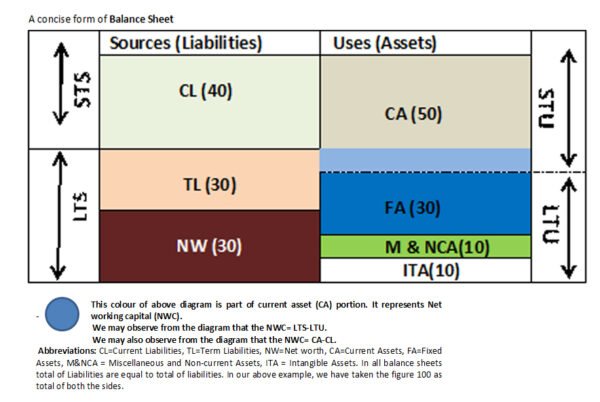
Assets and liabilities are fundamental components of an entity’s financial position, typically presented in the balance sheet. Understanding these components is essential for evaluating a company’s financial health, liquidity, and solvency. 1. Definition and Importance The relationship between assets and liabilities forms the basis of the accounting equation: Assets = Liabilities + Owner’s Equity This…

Definition of NPA and Asset Classifications of irregular loans

(This article  explains the definition of non-performing assets (NPAs), classification of assets, Income recognition, and provisioning requirement under prudential norms for all types of accounts including NPA norms for Agricultural loans and especially KCC) Asset classification, in the context of financial institutions like banks, involves categorizing loans and advances into different classes based on their…