

Risk-Based Internal Audit (RBIA): A Proactive Early Warning System for Banks

Risk-Based Internal Audit is a forward-looking methodology that aligns audit priorities with the enterprise’s top risks so assurance focuses on what truly matters for strategy, compliance, and resilience. It connects the audit universe, risk assessment, and audit plan to the organization’s risk appetite, delivering insight and early warning rather than after‑the‑fact findings. What is Risk-Based…

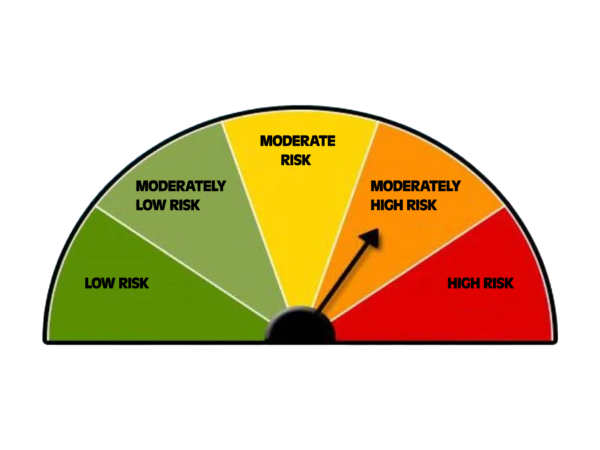
Risk-Based Supervision in India: Features of an Effective bank Supervisory Framework

Risk-Based Supervision (RBS) in India represents a shift from checklist-style inspections to a forward-looking, risk‑centred, and proportionate supervisory regime that prioritizes the most material risks to safety, soundness, and systemic stability. Background RBS emerged globally after the global financial crisis exposed the limits of compliance-heavy and backward‑looking inspections, pushing supervisors to focus on inherent risks,…

Basel III Buffers, Leverage and Liquidity: A Comprehensive Guide to Resilience

Basel III strengthens bank resilience through complementary safeguards: risk-based capital with usable buffers, a simple non‑risk‑based leverage backstop, and liquidity standards that protect short‑term and structural funding positions across cycles and systemic stress. General Basel III introduced higher‑quality capital, explicit buffers, a leverage ratio, and two liquidity ratios to remedy weaknesses revealed in the global…

Pillar 3 Market Discipline: Practical Guidance for Robust, Decision‑Useful Disclosure

Market discipline under Pillar 3 complements minimum capital (Pillar 1) and supervisory review (Pillar 2) by enabling informed market scrutiny through clear, consistent, and comparable disclosures that incentivize prudent risk‑taking and sound governance. It strengthens external accountability by giving investors, creditors, analysts, and counterparties the information needed to monitor risk profiles and influence behavior through…

Building a Robust ICAAP Stress Testing Program: Objectives, Methods, and the PCA Link

Stress testing within ICAAP is a forward‑looking, governance‑anchored discipline that evaluates a bank’s resilience under adverse yet plausible conditions and informs capital planning, risk appetite, and early corrective actions aligned with supervisory expectations under Pillar 2 and the PCA framework. Role and objective Stress testing in ICAAP assesses whether internal capital and liquidity are adequate…

Supervisory Review Process and ICAAP under Basel’s Pillar 2

The Supervisory Review Process (SREP) and the Internal Capital Adequacy Assessment Process (ICAAP) together ensure that banks maintain capital commensurate with their risk profile and operate above minimums using forward‑looking, proportionate, and well‑governed processes, with supervisors empowered to review, challenge, and intervene early where needed. Objective of Pillar 2 Pillar 2 aims to ensure banks…

Capital Charge for Operational Risk: From Legacy Approaches to the New Standardized Paradigm

Operational risk capital ensures that banks can absorb losses arising from process failures, people, systems, or external events, with Basel’s current framework centering on a standardized, data-driven approach anchored in business indicators and internal loss experience. This article outlines definitions, methodologies, legacy approaches (BIA/SA/AMA), key shortcomings, and the new standardized approach with business indicators, risk-weighted…

Regulatory Capital and Capital Adequacy: From Accounting Residuals to Basel III Risk Standards

Regulatory capital ensures banks can absorb losses while continuing to serve the economy, evolving from simple balance‑sheet residuals to risk‑sensitive frameworks under Basel III that cover credit, counterparty, market, and off‑balance sheet risks comprehensively. Capital adequacy today blends risk‑weighted requirements with leverage and liquidity backstops, using standardized and internal model approaches bounded by output floors…

Global Financial Crisis and Basel III: How Regulation Evolved

The Global Financial Crisis (GFC) exposed critical gaps in bank capital, liquidity, risk management, and oversight; Basel III was the international regulatory response to harden bank balance sheets, curb procyclicality, and improve resilience through higher-quality capital, liquidity standards, and systemic safeguards. The reforms reframed prudential policy around loss absorbency, credible buffers, and robust supervision to…