RBI’s 2025 Interest Rate Framework for Commercial Banks: Key Points Explained

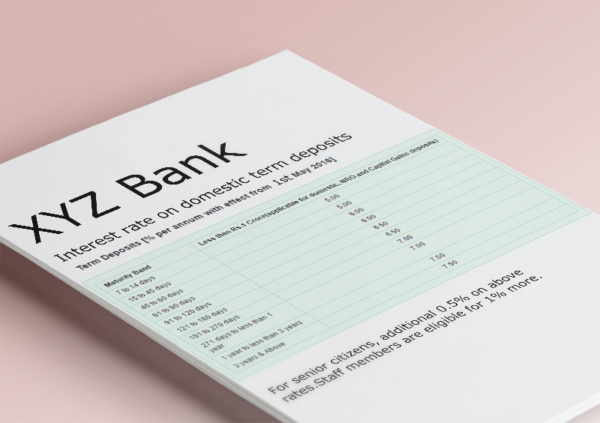
The Reserve Bank of India (RBI) has issued updated directions (2025) governing how commercial banks must set and pay interest on domestic deposits, NRE/NRO deposits, and FCNR(B) deposits. The circular emphasises transparency, uniformity, and customer protection. 1. Uniform, Transparent Interest-Rate Framework – Board-approved interest-rate policy. – Uniform, non-discriminatory rates across branches. – No negotiated rates;…


Non-Fund Based Facilities to Non-Constituent Borrowers: RBI Relaxation and Key Conditions

The Reserve Bank of India (RBI), through circular DBOD.Dir.BC.62/13.07.09/2002-03 dated January 24, 2003, had earlier prohibited banks from extending non-fund based facilities to non-constituent borrowers. This restriction was aimed at preventing frauds, fund diversion, and misuse of one-off transaction-based facilities without proper credit assessment. However, over time, this blanket bar created genuine challenges for borrowers…

Understanding Working Capital Appraisal: Key Financial Terms Explained

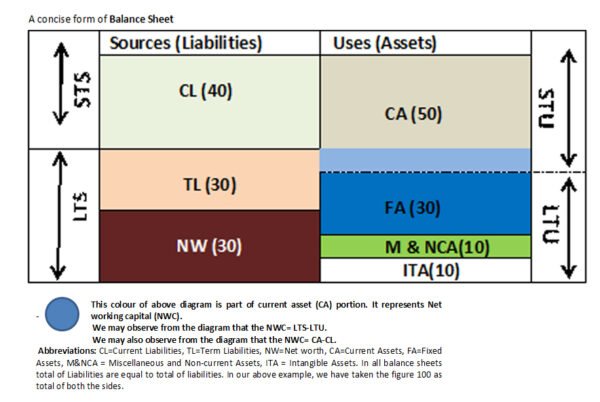
The working capital requirement of industrial and trading establishments refers to the total funds invested in various current assets such as raw materials (RM), work-in-process (WIP), finished goods (FG), and outstanding receivables. Banks extend working capital facilities to borrowers based on the nature and level of current assets, after deducting the borrower’s margin contribution, within…

UPI–TIPS Interlinkage: Strengthening Cross-Border Instant Payments Between India and the Euro Area

The Reserve Bank of India (RBI)is actively advancing efforts to interlink the **Unified Payments Interface (UPI) with fast payment systems across global jurisdictions to enhance the efficiency of cross-border payments. These initiatives align with the G20 Roadmap for improving cross-border payments, which emphasizes making international transfers cheaper, faster, more transparent, and more accessible. As part…

Cheque Bounce — Is it Necessary to Make Unregistered Firms an Accused? (Updated as of 2025)

A common question arises whether an unregistered partnership firm can be made an accused under Section 141 of the Negotiable Instruments Act, 1881 (NI Act), and whether the firm itself must be arraigned as an accused along with its partners for cheque bounce offences under Section 138. Historically, ambiguity persisted due to Section 69 of…

NRE (Non-Resident External) Accounts in India: Purpose, Eligibility, Rules & Operating Procedures. ​

Quick summary An NRE account is a rupee account for NRIs/OCIs to park overseas earnings in India with full repatriation and tax‑free interest while they remain non‑resident under FEMA, subject to specific opening, operation, and conversion rules on change in residency status. ​ What is an NRE account Purpose and use-cases Eligibility Key features Tax…