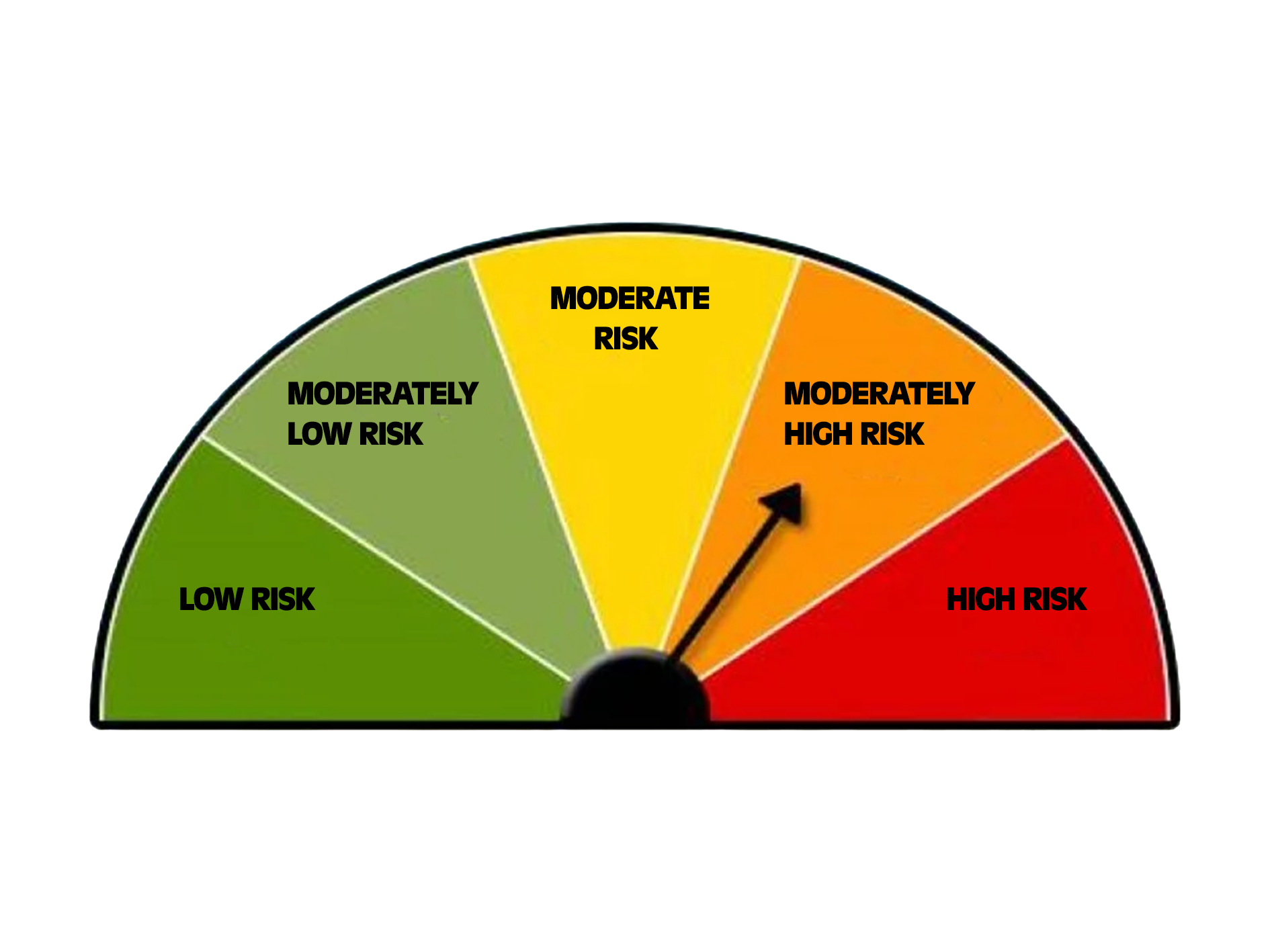
The Basel III Accord strengthens the regulatory framework for banks by enhancing capital requirements and addressing key risk categories, including credit risk, market risk, and operational risk. It also outlines mechanisms for credit risk mitigation (CRM) and introduces buffers to ensure resilience in times of financial stress.
1. Capital Requirements under Basel III
Basel III mandates that banks maintain higher and better-quality capital to absorb losses and protect depositors:
- Common Equity Tier 1 (CET1) Ratio: Minimum of 4.5% of risk-weighted assets (RWAs).
- Capital Conservation Buffer: Additional 2.5%, to be met with CET1 capital.
- Total CET1 Requirement: 7% of RWAs (including the buffer).
- Countercyclical Capital Buffer: Up to 2.5%, imposed by national regulators during periods of excessive credit growth.
2. Credit Risk Mitigation (CRM)
Basel III allows banks to reduce their capital requirements for credit risk through recognized credit risk mitigation techniques, provided they meet strict eligibility criteria.
CRM Techniques Include:
- Collateral: Use of financial assets such as government securities, cash, or gold.
- Guarantees and Credit Derivatives: Provided by eligible guarantors or counterparties.
- Netting Agreements: Recognition of legally enforceable netting of loans and exposures.
Conditions:
- Legal certainty must be ensured.
- Proper risk management and documentation are required.
- Haircuts may be applied to reflect volatility in collateral value.
CRM reduces the credit exposure amount, thereby lowering the capital charge required under Pillar 1.
3. Capital Charge for Market Risk
Market risk refers to potential losses due to adverse movements in market variables, such as interest rates, foreign exchange rates, equity prices, and commodity prices.
Key Market Risk Components:
- Specific Risk Charges: Assigned to different asset classes, including:
- Interest Rate Risk
- Equity Risk
- Foreign Exchange Risk
- Commodity Risk
- Credit Default Swaps (CDS) Risk
- Trading Book Definition: Includes all positions held for short-term resale or benefiting from actual or expected short-term price movements, including:
- Securities held for trading
- Available-for-sale securities
- Derivative positions
Banks are required to compute market risk capital charges using standardized approaches or, with regulatory approval, internal models (e.g., Value-at-Risk).
4. Operational Risk and ICAAP
Operational Risk:
Defined as the risk of loss resulting from inadequate or failed internal processes, people, systems, or from external events.
Basel III requires banks to hold capital for operational risk, typically calculated using a Standardized Approach or an Internal Measurement Approach if approved.
Internal Capital Adequacy Assessment Process (ICAAP):
Under Pillar 2, banks must maintain an ICAAP to evaluate their capital adequacy in relation to their full risk profile. It includes:
- Identification of all material risks (including credit, market, operational, and others)
- Stress testing and scenario analysis
- Strategic capital planning
Supervisors evaluate the ICAAP as part of the Supervisory Review Process (SRP).
5. Basel III’s Three Pillars Framework
| Pillar | Description |
| Pillar 1 | Minimum Capital Requirements for credit, market, and operational risks. |
| Pillar 2 | Supervisory Review Process for assessing bank-specific risks and ICAAP effectiveness. |
| Pillar 3 | Market Discipline through enhanced disclosures, enabling stakeholders to assess risk and capital adequacy. |
Conclusion
Basel III significantly enhances the global regulatory framework by addressing weaknesses observed during the 2008 financial crisis. By imposing stricter capital charges for credit and market risks, promoting effective credit risk mitigation, and introducing buffers and risk-specific controls, it aims to ensure the resilience, transparency, and stability of the banking system.
Related Posts: