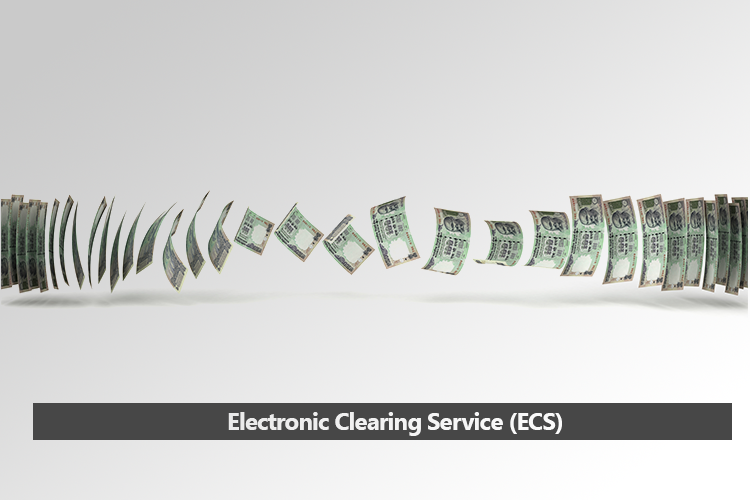
Electronic Clearing Service (ECS) in bank transaction is a simple, faster and cost effective solution for repetitive bulk transactions. The system was first introduced by Reserve Bank of India in April 1995 to facilitate speedier bulk inter-bank transactions. It is most useful to facilitate repetitive payment transaction such as salary, pension, interest, commission, dividend etc. ECS is also useful to big corporate, Multinational companies, Government departments who are required to make payment to large number of beneficiaries. ECS also facilitates domestic and foreign banks who have obtained standing instructions from the borrowers to recover their monthly loan installments through ECS debit.
ECS credit to large number of beneficiaries
In ECS credit system, paper instruments such as cheques, drafts, warrants etc, are substituted by electronic instructions. Under the system, magnetic media files are provided to clearing houses for bulk and repetitive payment instructions. These magnetic media files are used by clearing houses for effecting credits or debits to the bank accounts of respective account holder.
ECS debits towards EMI and Utility services
In ECS debit system, the bank customers give an authority(standing instruction) to paying banker to debit their account towards electric bill, telephone bill etc., as and when they receive ECS debit notes received through clearing. This augurs well for consumers of utility services as they need not wait for monthly bill and take time to remit the bill amount before the due date. Paying bank of ECS debits, should be careful while debiting customers account. Similarly domestic and foreign banks take standing instruction from their customers who have availed consumer loan etc., to recover the EMI from their account in another bank under ECS. Paying bankers will verify their records in respect of the name of the account holder, account no., operation instruction in the account, signature of the account holder etc., when they receive ECS mandate. If they notice any discrepancy they may not approve the ECS debit mandate given by their customer. The account holders must ensure that all the details provided by them in ECS mandate is correct, before making it operational.
Summary:
In banking, ECS stands for Electronic Clearing Service, a system that facilitates bulk, electronic transfers of funds between bank accounts. It’s used for repetitive and periodic payments, like salaries, pensions, dividend distributions, and utility bill payments, as well as for collections like loan installments and insurance premiums. ECS eliminates the need for paper instruments, streamlining the payment process.
Originally posted on 26.07.2014.Edited and reposted on 11.05.2025
Related Posts: