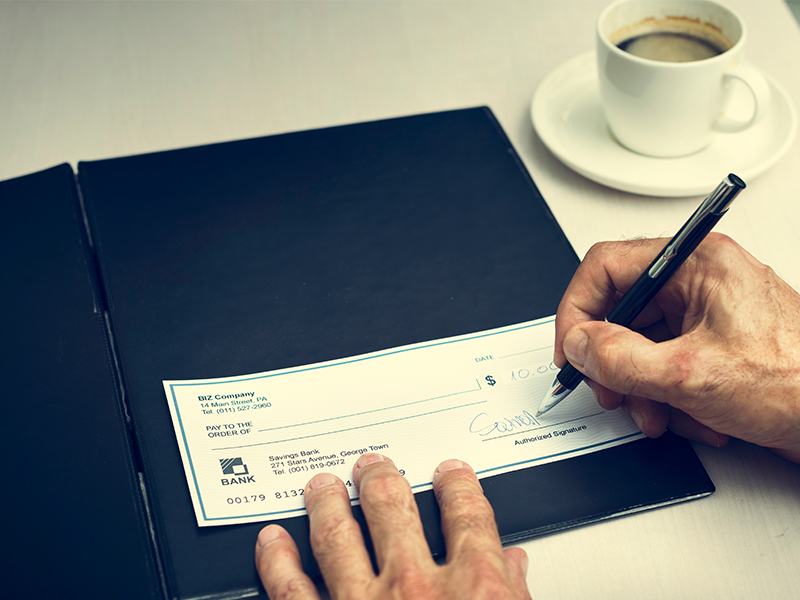
Negotiable Instrument Fundamentals
A negotiable instrument is a written and signed document that promises or orders payment of a specific sum of money, either on demand or at a future date, to a designated person or to the bearer. Examples include cheques, bills of exchange, and promissory notes. These instruments are transferable, allowing for change of ownership and representing a legal obligation to pay.
Role of Drawer
The drawer is the person or entity that creates and signs a negotiable instrument. By doing so, the drawer issues a directive to another party (the drawee) to make payment.
* Cheque:The drawer is the account holder who instructs the bank to pay a certain sum.
* Bill of Exchange: The drawer prepares the bill, directing the drawee to make payment to the payee.
The drawer’s signature authenticates the instrument and renders it legally enforceable.
Role of Acceptor/Drawee
The drawee is the party upon whom the instrument is drawn, i.e., the one directed to pay.
* In the case of a cheque, the drawee is the bank.
* In a bill of exchange, the drawee becomes the acceptor once they accept the bill by signing it, thereby assuming a legal obligation to pay the specified amount.
Importance in Banking
* These roles are fundamental to modern banking and trade, enabling safe, efficient, and legally binding payment transfers.
* The negotiability feature allows these instruments to circulate freely, supporting commercial transactions and financial intermediation.
* In case of dishonour, legal recourse ensures protection for the parties involved.
Common Examples
* Cheque: Drawer – account holder; Drawee – bank; Payee – recipient of funds.
* Bill of Exchange: Drawer – prepares the bill; Drawee – party instructed to pay; Acceptor – drawee after acceptance; Payee – recipient of payment.
Legal Framework
The Negotiable Instruments Act, 1881, under Section 7, clearly defines the parties to a negotiable instrument—drawer, drawee, acceptor, and payee—along with their roles and responsibilities. It also provides remedies in case of dishonour or default.
Conclusion
The drawer initiates the negotiable instrument by ordering payment, while the acceptor (formerly the drawee) undertakes the obligation to pay upon acceptance. A clear understanding of these roles ensures the effective use of negotiable instruments in banking, commerce, and financial transactions.
Comparison: Drawer vs. Acceptor
| Aspect | Drawer | Acceptor (Drawee after Acceptance) |
| Definition | The person or entity that creates and signs a negotiable instrument (cheque, bill of exchange, etc.). | The drawee who accepts a bill of exchange by signing it, thereby agreeing to pay the amount specified. |
| Role | Issues the instrument and directs the drawee to make payment. | Assumes the legal obligation to make payment once acceptance is given. |
| Position in Cheque | Account holder who issues the cheque. | Bank on which the cheque is drawn (drawee). |
| Position in Bill of Exchange | Person who draws the bill, directing another to pay. | Drawee becomes acceptor after signing acceptance of the bill. |
| Obligation | To issue a valid and enforceable instrument, ensuring sufficient funds (in case of cheque). | To honour the bill and make payment on the due date. |
| Liability | Primary liability in case of a cheque (dishonour leads to drawer’s liability). | Secondary liability arises upon acceptance of a bill (direct responsibility to pay). |
| Example | A business owner issues a cheque to a supplier. | The buyer accepts a bill of exchange drawn by the supplier and is bound to pay on maturity. |
Related Post:
KEY SECTIONS, DEFINITIONS & PROVISIONS UNDER THE NEGOTIABLE INSTRUMENT ACT 1881
Key provisions and definitions under Negotiable Instruments:
xxxx