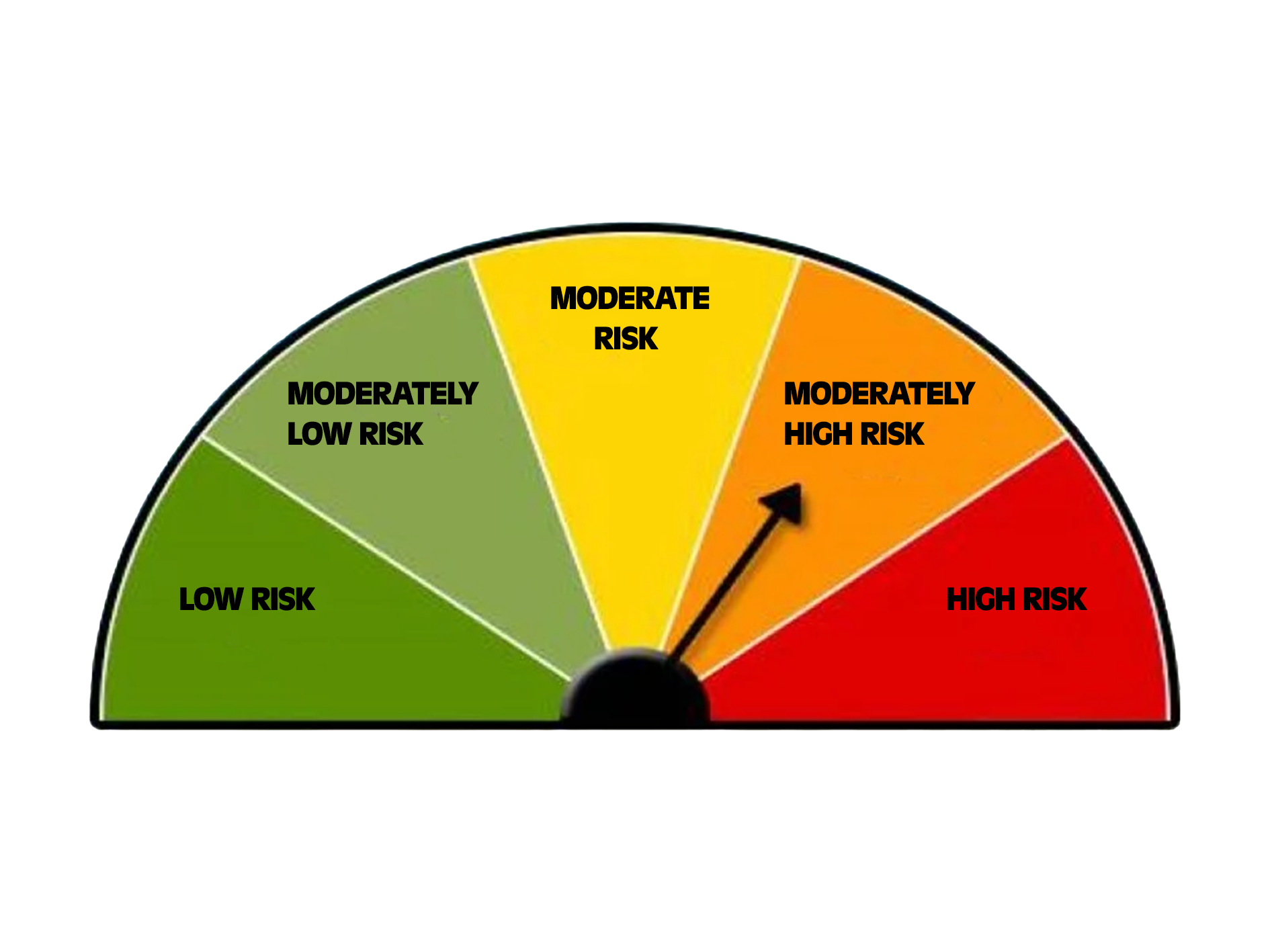
Under Pillar 2 of the Basel II Accord, banks are required to hold additional capital to cover operational risks that may not be adequately captured under Pillar 1. This additional requirement, known as the Pillar 2 capital add-on, is determined through the supervisory review process (SRP), which evaluates a bank’s internal assessment of capital adequacy and its operational risk management practices.
Elaboration: Pillar 2 and Operational Risk
Pillar 2 emphasizes the importance of bank-specific supervisory oversight, aiming to ensure that institutions hold sufficient capital in relation to their actual risk exposures—including those not fully addressed by the standardized approaches of Pillar 1. One such critical area is operational risk, which is defined as the risk of loss resulting from inadequate or failed internal processes, people, systems, or from external events.
Key Aspects of Pillar 2 in the Context of Operational Risk
1. Supervisory Review
Supervisory authorities assess the adequacy of a bank’s Internal Capital Adequacy Assessment Process (ICAAP), with particular focus on the identification, measurement, and management of operational risk.
2. Bank-Specific Assessment
Unlike the standardized approaches in Pillar 1, Pillar 2 capital requirements are tailored to each institution based on its unique risk profile, business model, and the robustness of its internal control environment.
3. ICAAP (Internal Capital Adequacy Assessment Process)
Banks must internally evaluate whether they hold sufficient capital to cover all material risks, including operational risk. This involves quantifying potential exposures and aligning capital with the risk appetite of the bank.
4. Evaluation of Risk Management Practices
Supervisors critically examine a bank’s operational risk management framework, which includes governance structures, risk control mechanisms, data collection, monitoring systems, and contingency plans.
5. Stress Testing
Stress testing forms a core component of the Pillar 2 process. Banks are required to simulate extreme but plausible scenarios to assess the resilience of their capital base in the face of severe operational disruptions (e.g., cyberattacks, system failures, fraud events, natural disasters).
6. Capital Add-on
If the supervisory authority concludes that a bank’s Pillar 1 capital does not adequately reflect its exposure to operational risks, it may impose a Pillar 2 capital add-on, requiring the bank to hold additional capital.
7. Not a Substitute for Risk Management
The Pillar 2 capital requirement is not intended to replace sound risk management practices. Rather, it complements them by ensuring that capital buffers are proportionate to the operational risk landscape. Supervisors expect banks to address any deficiencies in their systems, controls, and risk culture—not merely rely on holding extra capital.
Conclusion
Pillar 2 plays a critical role in reinforcing operational risk management within the Basel II framework. By requiring banks to conduct thorough internal assessments and by enabling supervisors to intervene when risks are underestimated, Pillar 2 ensures a more resilient, risk-sensitive, and institution-specific approach to capital adequacy—thereby contributing to the overall stability of the banking sector.
Related Posts: