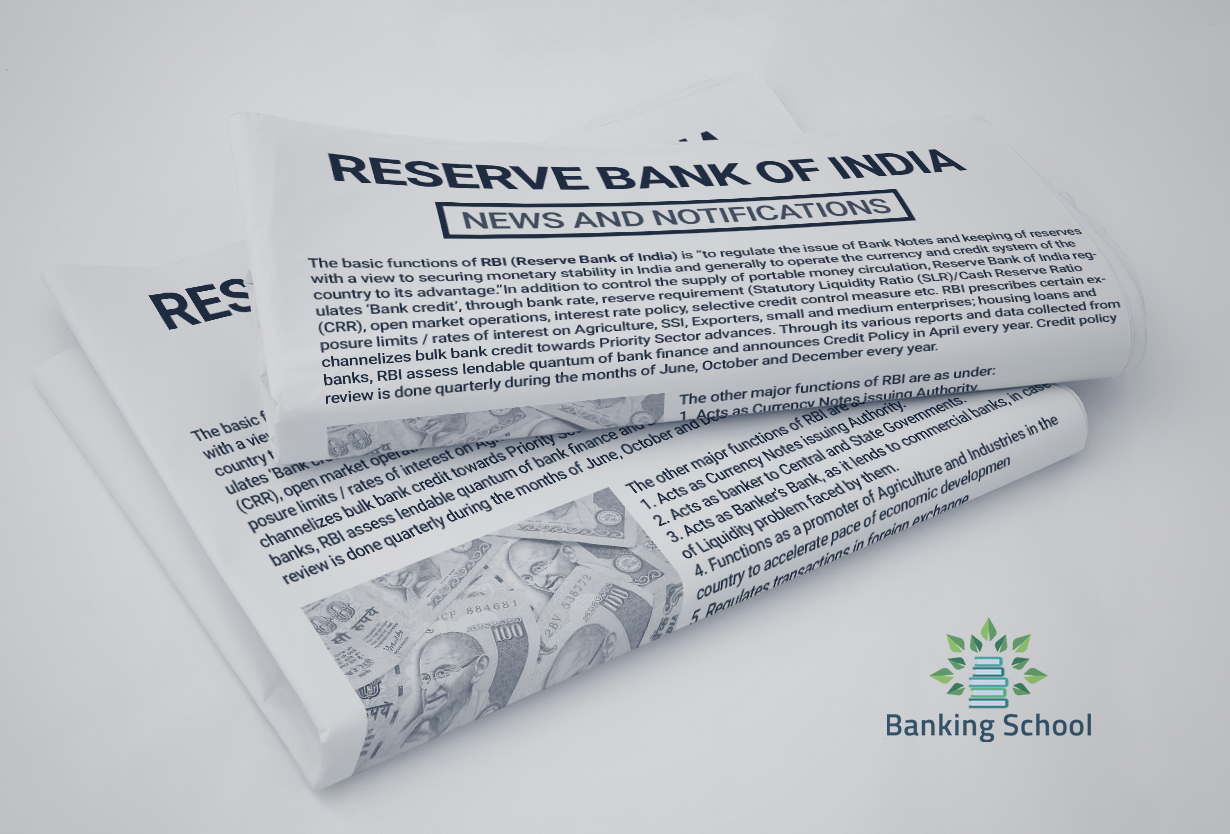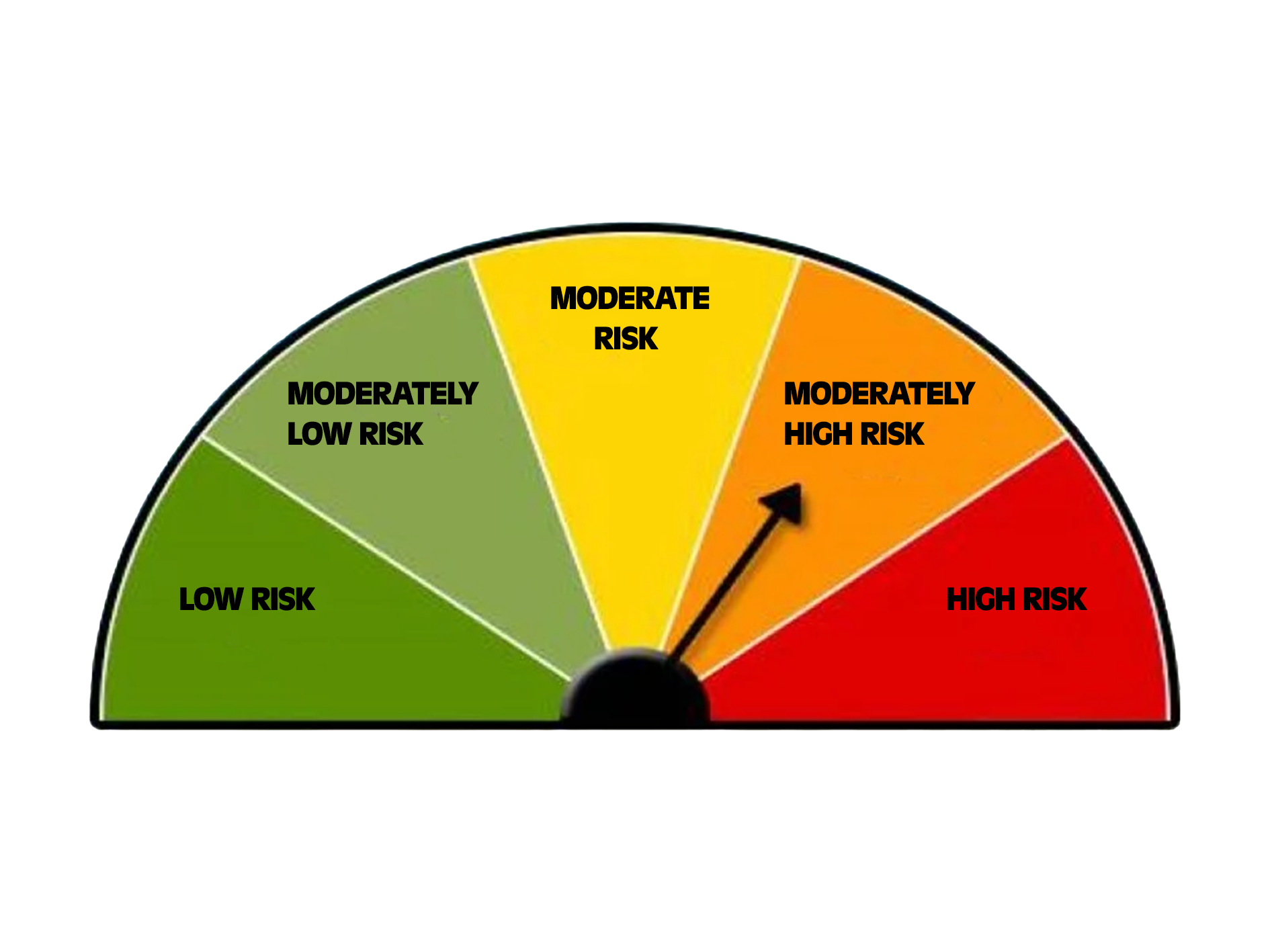
Banking regulation is fundamental to the integrity and stability of the financial system. It serves to prevent bank failures, protect depositors, reduce systemic risks, and promote public confidence. Effective regulation ensures that banks operate in a safe, sound, and transparent manner, enabling efficient capital allocation and fostering sustainable economic growth.
Necessity of Banking Regulation
1. Protecting Depositors
- Regulations such as deposit insurance schemes and capital adequacy norms ensure that banks maintain sufficient funds to meet their obligations.
- These measures help prevent bank runs and protect public savings.
2. Maintaining Financial Stability
- By restricting excessive risk-taking and enforcing capital and liquidity requirements, regulations help avert systemic crises.
- They promote resilience within the banking sector during economic downturns.
3. Promoting Sound Banking Practices
- Regulatory requirements like risk management frameworks, internal controls, and stress testing compel banks to manage risks prudently.
- They discourage reckless lending and investment behavior.
4. Preventing Financial Crime
- Anti-money laundering (AML) regulations, Know Your Customer (KYC) norms, and suspicious transaction reporting help detect and deter illegal activities such as fraud, terrorism financing, and corruption.
5. Ensuring Fair Lending Practices
- Laws and regulations—such as the Community Reinvestment Act—ensure equitable access to credit, combat discriminatory practices, and promote financial inclusion.
Goals of Banking Regulation
1. Safety and Soundness
- Ensuring banks are well-capitalized, maintain prudent lending standards, and manage risks effectively.
- Protects banks from insolvency and ensures long-term operational health.
2. Financial Stability
- Aims to prevent systemic failures that can affect the broader economy.
- Encourages a stable environment for investment, lending, and economic activity.
3. Consumer Protection
- Safeguards the rights of depositors and borrowers.
- Prevents predatory lending, ensures transparency in banking products, and mandates grievance redressal mechanisms.
4. Promoting Economic Growth
- A strong and stable banking system enables smooth credit flow to businesses and individuals.
- Stimulates investment, consumption, and job creation across sectors.
5. Preventing Financial Crime
- Establishes a robust framework to detect, monitor, and report suspicious activities.
- Helps preserve the integrity of the financial system and shields it from abuse by criminal actors.
Related Posts: