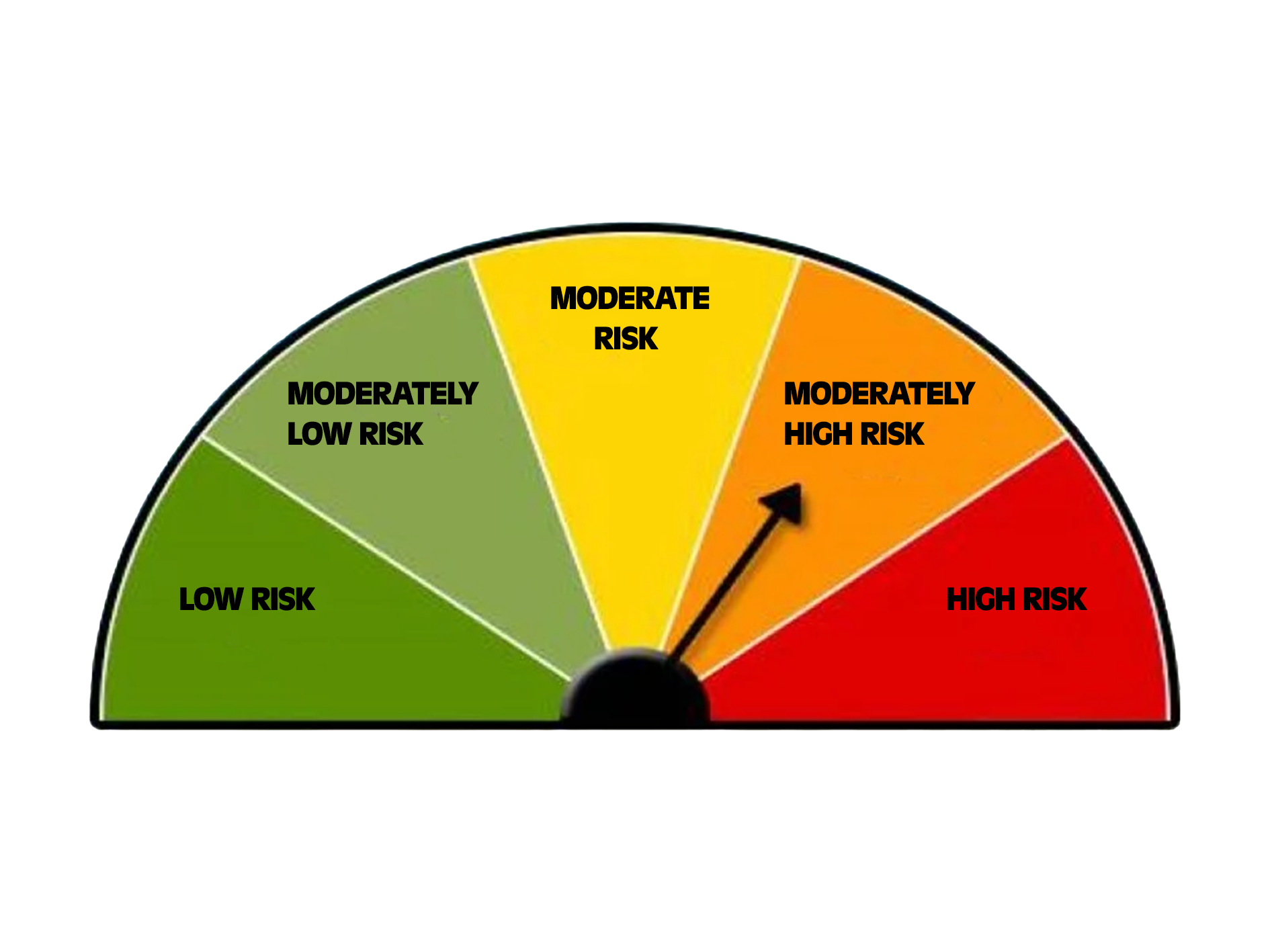
The Supervisory Review Process (SRP) is a key component of Pillar 2 of the Basel III framework. It reinforces the principle that banks must not only meet minimum regulatory capital requirements but also maintain capital commensurate with their entire risk profile—including risks not fully captured under Pillar 1.
SRP promotes bank-specific oversight, fosters sound risk management, and encourages a collaborative dialogue between banks and supervisory authorities.
Core Principles of the Supervisory Review Process
1. Bank Responsibility
- The primary responsibility for assessing capital adequacy lies with the bank’s management.
- Banks are expected to develop an Internal Capital Adequacy Assessment Process (ICAAP) that considers all material risks and sets appropriate capital targets based on their risk profile, business strategy, and control environment.
2. Supervisory Oversight
- Supervisors assess the robustness of the ICAAP, the effectiveness of risk management practices, and the sufficiency of capital relative to the bank’s unique risk exposures.
3. Intervention
- When weaknesses are identified, supervisors have the authority to intervene and require the bank to take corrective measures, such as strengthening internal controls, improving risk practices, or raising additional capital.
4. Constructive Dialogue
- SRP emphasizes a two-way communication channel between banks and regulators to ensure clarity, transparency, and mutual understanding of risk exposures and capital needs.
Key Objectives of the SRP
| Objective | Description |
| Adequate Capital | Ensure that banks hold sufficient capital to cover all material risks, including those beyond Pillar 1. |
| Sound Risk Management | Promote implementation of effective risk governance frameworks across all functions and business lines. |
| Early Intervention | Enable timely identification of emerging risks and prompt corrective action to prevent escalation. |
| Continuous Improvement | Foster a culture of self-assessment and enhancement in capital planning and risk management practices. |
How the Supervisory Review Process Works
- Supervisory Assessment
- Regulators evaluate the bank’s overall capital adequacy, risk governance, and risk profile based on internal and external data.
- This includes assessing exposure to risks not explicitly covered under Pillar 1, such as concentration risk, interest rate risk in the banking book (IRRBB), reputational risk, and strategic risk.
- ICAAP Evaluation
- The supervisor reviews the bank’s ICAAP for completeness, risk sensitivity, realism of assumptions, and integration with overall business strategy.
- Feedback and Engagement
- Supervisors provide structured feedback and engage in a dialogue with the bank to address identified gaps or weaknesses.
- This stage often results in recommendations or requirements for adjustments in capital levels or improvements in risk controls.
- Corrective Action
- If serious deficiencies are found, the supervisor may require:
- Recalibration of capital planning
- Enhancement of risk models
- Strengthening of governance frameworks
- Raising of additional capital to cover uncovered risks
- If serious deficiencies are found, the supervisor may require:
- Ongoing Monitoring
- The process is continuous rather than one-time, ensuring banks maintain appropriate capital and effective risk practices as conditions evolve.
Conclusion
The Supervisory Review Process under Basel III plays a crucial role in ensuring that banks are not only compliant with minimum standards but are also proactively managing all relevant risks. By holding management accountable, promoting early intervention, and encouraging continual improvement, SRP strengthens the resilience of individual banks and contributes to the stability of the broader financial system.
Related Posts: