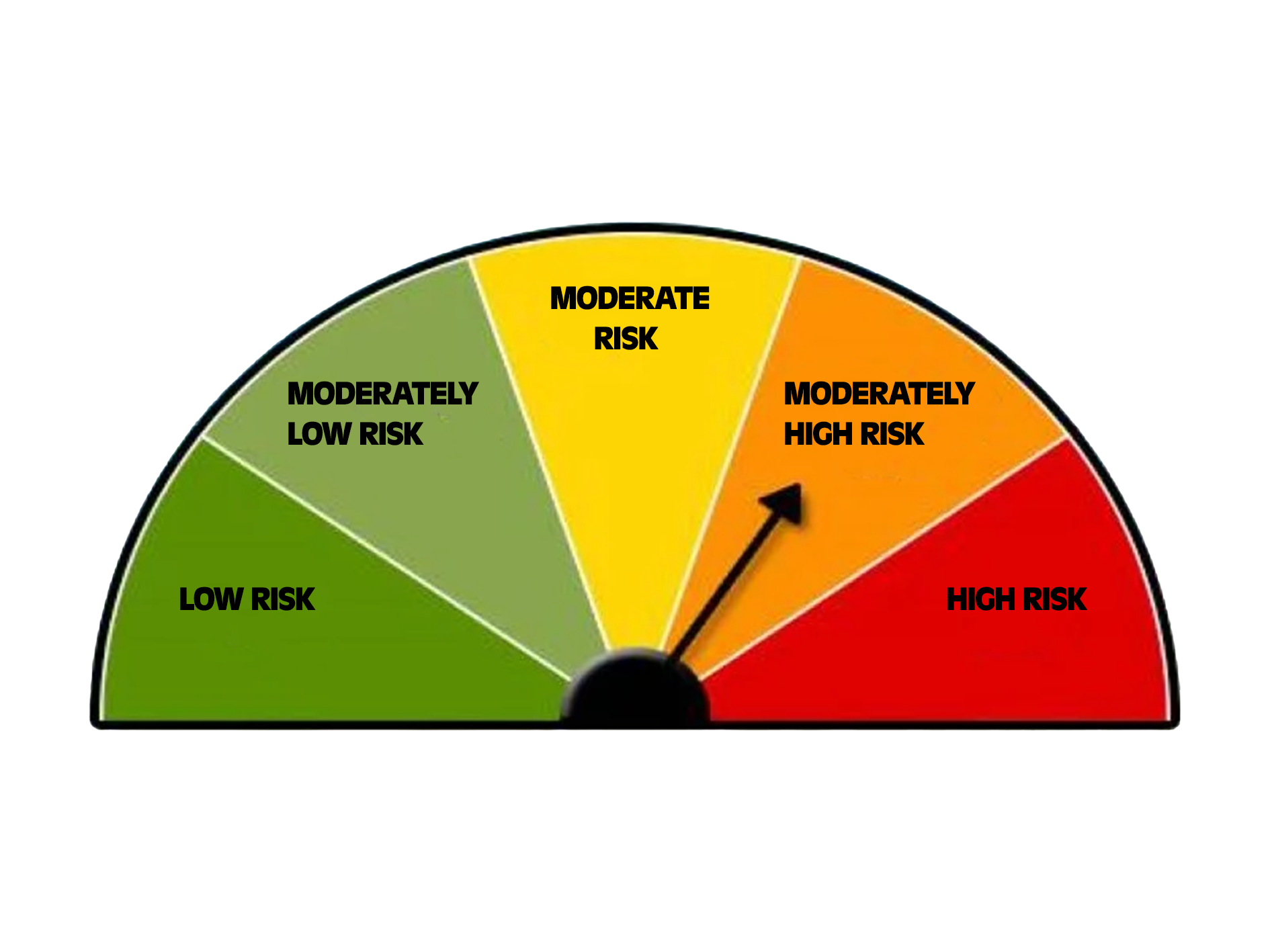
In today’s dynamic and increasingly complex financial world, risk-based regulation has become essential for ensuring the resilience, integrity, and adaptability of the banking sector. Unlike one-size-fits-all approaches, risk-based regulation tailors regulatory expectations based on the specific risks each institution faces. This allows for smarter resource allocation, improved risk mitigation, and better preparedness against emerging threats such as cybercrime, financial misconduct, and climate-related risks.
Key Aspects of Risk-Based Regulation
1. Risk Identification and Assessment
- Banks must evaluate risks across key dimensions:
- Customers (e.g., Politically Exposed Persons – PEPs)
- Products and Services
- Geographical Locations (e.g., high-risk jurisdictions)
- Transactions and Delivery Channels
- Risk assessments should be data-driven, timely, and regularly updated.
2. Tailored Mitigation
- Regulatory controls are proportionate to the level of risk:
- Higher-risk areas require enhanced due diligence and tighter controls.
- Lower-risk areas may qualify for simplified or streamlined compliance requirements.
3. Dynamic Adaptation
- Risk-based regulation is not static.
- Banks must continuously update their risk frameworks in response to:
- Evolving technologies
- Emerging threats (e.g., cybersecurity, climate change)
- Regulatory developments and global standards
Why Risk-Based Regulation Is Important
1. Enhanced Efficiency
- Focused oversight allows banks to allocate resources effectively without compromising safety.
- Prevents unnecessary compliance efforts in low-risk areas.
2. Reduced Regulatory Burden
- Proportionate application of rules means that low-risk institutions or activities aren’t subject to excessive regulation.
- Encourages innovation and lowers compliance costs.
3. Financial Stability
- Proactive risk management reduces the likelihood of unexpected losses.
- Supports a robust and shock-resistant banking sector.
4. Combating Financial Crime
- Enables focused anti-money laundering (AML) and counter-terrorist financing (CTF) efforts.
- Helps detect and deter suspicious activity in high-risk areas.
5. Addressing Emerging Risks
- Digital transformation, cyber threats, and environmental challenges require agile regulatory responses.
- Risk-based approaches offer the flexibility to integrate new types of risks into governance frameworks.
Examples of Risk-Based Regulation in Action
Cybersecurity
- Banks are mandated to:
- Conduct periodic cyber risk assessments
- Implement incident response plans
- Ensure multi-layered IT security controls
Climate Risk
- Institutions now assess how climate change impacts:
- Credit exposures (e.g., loans to high-emission industries)
- Operational resilience (e.g., exposure to natural disasters)
ESG Integration
- Regulatory authorities are:
- Encouraging adoption of Environmental, Social, and Governance (ESG) principles
- Promoting sustainable lending and investing practices
Conclusion
Risk-based regulation is no longer an option—it’s a necessity. As the banking sector confronts digital disruption, global interconnectedness, and environmental uncertainties, this approach offers a flexible, proportionate, and effective regulatory framework. By embracing risk-based regulation, banks can bolster their resilience, optimize compliance efforts, and contribute to a safer and more sustainable global financial system.
Related Posts: